



🖊️ Post


☪︎ The Arab Spring Part 13 🇮🇶 Iraq: Protests Amid Instability and the Unfinished Struggle for Reform


4
The Iraqi protests of 2011 were part of the broader wave of unrest during the Arab Spring, but Iraq’s situation was fundamentally different from most other countries in the region.
Unlike Tunisia or Egypt, Iraq was already dealing with political instability, sectarian divisions, and the aftermath of war following the 2003 invasion and years of internal conflict.
As a result, the protests in Iraq did not focus on overthrowing a long-standing authoritarian regime.
Instead, they reflected widespread frustration with:
• Corruption
• Poor public services
• Unemployment
• Political dysfunction
The demonstrations revealed deep dissatisfaction with Iraq’s post-war political system.
Although they did not lead to immediate regime change, they became part of a longer cycle of protest movements that would continue for years.
For supporters, the protests represented a demand for accountability and basic governance.
For critics, they highlighted the fragility of a state already struggling with internal divisions and external pressures.
Iraq After 2003: A Different Starting Point
To understand the protests, it is essential to recognize that Iraq entered the Arab Spring in a very different position from other countries.
Following the 2003 U.S.-led invasion, Iraq underwent:
• The collapse of Saddam Hussein’s government
• The establishment of a new political system
• Years of insurgency and sectarian violence
By 2011, Iraq had a formally democratic system, including:
• Elections
• A parliament
• A prime minister
However, the system faced serious challenges:
• Sectarian divisions between Sunni and Shiite groups
• Weak state institutions
• Corruption within government
• Ongoing security concerns
These conditions created a fragile political environment.
The Arab Spring Reaches Iraq


4
Inspired by uprisings in Tunisia and Egypt, protests began in Iraq in early 2011.
Demonstrations took place in:
• Baghdad (especially Tahrir Square)
• Basra
• Mosul
• Other cities
Protesters called for:
• Improved public services (electricity, water)
• Job opportunities
• Anti-corruption measures
• Government accountability
Unlike other Arab Spring movements, the protests were not unified under a single national leadership.
Different regions and groups expressed their own concerns.
Economic Frustration and Public Services


4
One of the central issues driving the protests was the failure of basic public services.
Despite Iraq’s significant oil wealth, many citizens faced:
• Frequent electricity outages
• Limited access to clean water
• Poor infrastructure
• High unemployment
These issues created widespread frustration.
Many Iraqis felt that the government had failed to deliver the basic benefits expected after years of conflict and reconstruction.
Government Response


4
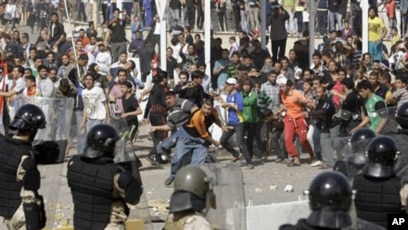
The Iraqi government responded to the protests with a mix of concessions and security measures.
Actions included:
• Promises to improve public services
• Anti-corruption initiatives
• Increased government spending
At the same time, security forces were deployed to control demonstrations.
In some cases, clashes occurred between protesters and authorities.
While the protests did not escalate into full-scale violence nationwide, tensions remained high.
Sectarian Divisions and Political Fragmentation


4
One of the major challenges facing protest movements in Iraq was political fragmentation.
Iraq’s society is divided along several lines:
• Sectarian (Sunni vs. Shiite)
• Ethnic (Arab vs. Kurdish)
• Political factions
These divisions made it difficult for protesters to form a unified national movement.
In some cases, protests took on regional or sectarian characteristics.
This fragmentation limited the ability of the movement to create sustained nationwide pressure for systemic change.
The Legacy of Protest: 2015 and 2019 Movements

4
Although the 2011 protests did not lead to major political transformation, they were part of a larger pattern of unrest in Iraq.
New protest waves emerged in:
• 2015 – focused on corruption and services
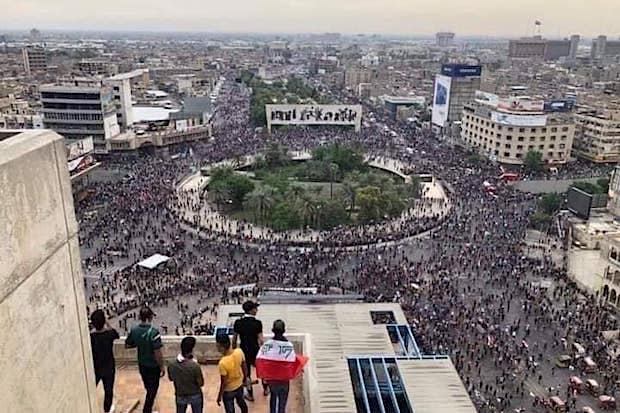
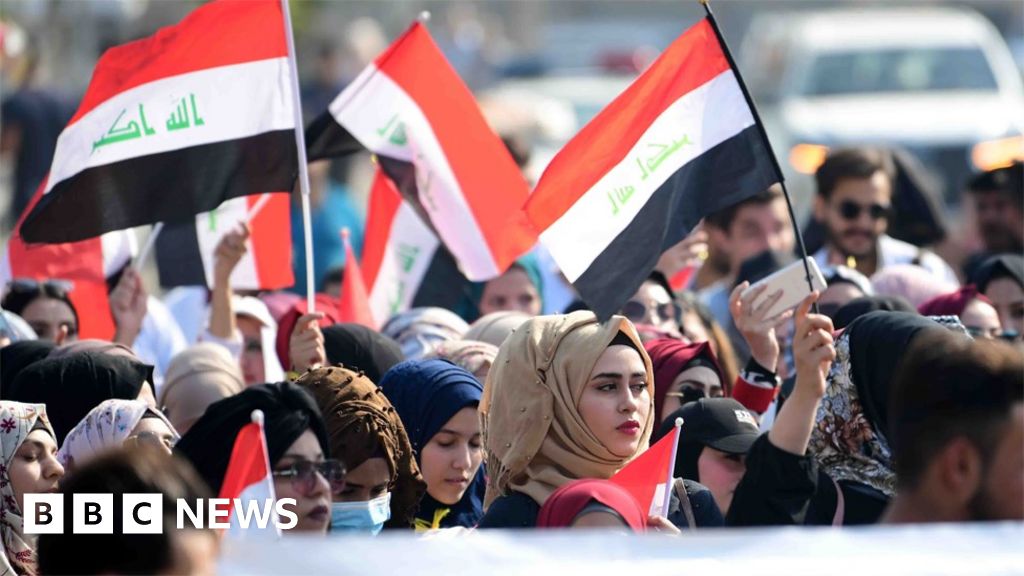
• 2019–2020 – much larger demonstrations demanding systemic change
The 2019 protests were especially significant:
• Tens of thousands of participants
• Long-term occupation of public squares
• Calls for the removal of the political elite
These protests led to:
• The resignation of the prime minister
• Promises of reform
However, many underlying issues remain unresolved.
Why Iraq Did Not Experience a Classic Arab Spring Revolution
Several factors explain why Iraq’s protests did not follow the same pattern as other Arab Spring countries:
Existing Political System
Iraq already had a post-authoritarian system following 2003.
Ongoing Instability
Security concerns and conflict limited large-scale mobilization.
Sectarian Divisions
Fragmentation prevented a unified national movement.
Government Adaptation
Authorities responded with a mix of reforms and security measures.
These factors shaped Iraq’s unique experience.
Iraq Today
Today, Iraq continues to face significant challenges:
• Political instability
• Corruption
• Economic inequality
• Security concerns
At the same time, Iraqi civil society remains active.
Protest movements continue to play an important role in shaping the country’s political future.
Why Iraq Matters in the Arab Spring
Iraq represents a different kind of Arab Spring case:
A country already in transition, where protests did not spark revolution—but continued an ongoing struggle for reform.
It shows that:
• Not all uprisings begin from stable authoritarian systems
• Protest movements can emerge even after regime change
• Political transformation is often a long, ongoing process
Final Reflection
The Iraqi protests remind us that the Arab Spring was not just about sudden revolutions.
In some countries, it was part of a longer journey toward stability, governance, and accountability.
Iraq’s story is still being written.
And its experience shows that the demand for reform does not end when a government changes—it continues until institutions truly function for the people.
Similar Tags
Search
Subscribe
Donate


Your Statistics
For the care and safety of this prayer space, we gently record the time and location of each visit. This helps us protect sincerity while preserving anonymity.
Your Date and Time
IP Addres:
216.73.216.124
System
- OS Linux n
- PHP 8.3.30
- MySQLi 10.6.25-MariaDB-log
- Time 06:47
- Caching Disabled
- Gzip Disabled
- Users 132
- Articles 315
- Articles View Hits 17640
Website Visitors Map
About Greg Loucks
Greg Loucks is a writer, poet, filmmaker, musician, and graphic designer, as well as a creative visionary and faith-driven storyteller working at the intersection of language, meaning, and human connection. Born and raised in Phoenix, Arizona, he has lived in Cincinnati, Ohio; Hot Springs, Arkansas; Williams, Arizona; and Flagstaff, Arizona—each place shaping his perspective, resilience, and creative voice.

Address:
United States of America and Europe
Phone Numbers:
Arizona: (928) 563-GREG (4734)
Tennessee: (615) 899-GREG (4734)
Toll-Free: 888-457-GREG (4734)

Comments