



🖊️ Post


☪︎ The Arab Spring Part 10 🇩🇿 Algeria: Protest Without Revolution and the Shadow of a Civil War


4
The Algerian protests of 2011 were part of the broader wave of unrest during the Arab Spring, yet Algeria followed a very different path from countries like Tunisia, Egypt, or Libya.
While demonstrations did erupt across the country, they never developed into a full-scale revolution.
Instead, Algeria became a key example of how historical memory, state resources, and political strategy can prevent protest movements from escalating into regime change.
For supporters of reform, the protests reflected deep frustration with unemployment, corruption, and political stagnation.
For the government, they were a warning signal—one that led to limited reforms and economic concessions designed to prevent instability.
Algeria’s experience shows that sometimes, the most powerful factor in shaping a revolution is not what is happening in the present—but what people remember from the past.
Algeria’s Political System
To understand why Algeria did not experience a revolution, it is important to examine its political structure.
Algeria is a republic that, in practice, has been dominated by a combination of:
• The presidency
• The military establishment
• Political elites linked to the ruling system
During the Arab Spring, the country was led by President Abdelaziz Bouteflika, who had been in power since 1999.
Although Algeria had formal democratic institutions, including elections and political parties, critics argued that:
• Real power was concentrated among a small elite
• Elections lacked genuine competition
• Political reform was limited
However, Algeria’s political system was shaped by a defining historical experience that set it apart from other Arab Spring countries.
The Shadow of the 1990s Civil War

4
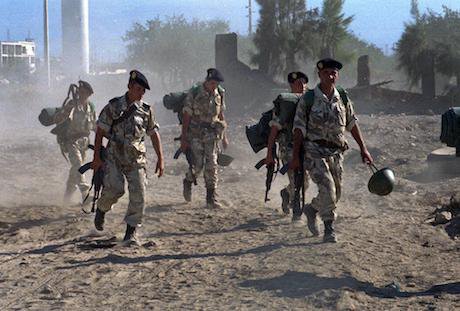
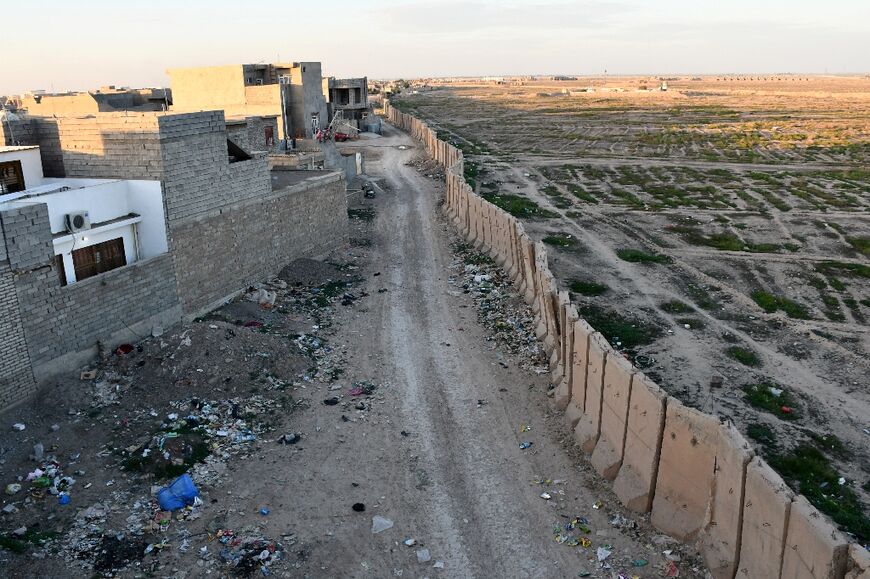
One of the most important factors influencing Algeria’s response to the Arab Spring was the memory of the Algerian Civil War (1991–2002).
The conflict began after elections were canceled when an Islamist political party appeared poised to win.
The resulting war between government forces and armed groups led to:
• Tens of thousands of deaths
• Widespread violence and instability
• Deep societal trauma
By 2011, many Algerians still remembered the devastation of that period.
This created a widespread fear that large-scale protests could lead to renewed violence.
As a result, many citizens were cautious about supporting revolutionary movements.
The Arab Spring Reaches Algeria


4
In early 2011, protests broke out in Algeria, particularly in the capital Algiers.
Demonstrators were motivated by:
• Rising food prices
• High unemployment
• Housing shortages
• Corruption
Unlike in Tunisia or Egypt, the protests were not unified under a single movement or leadership.
Different groups organized demonstrations around specific issues.
While some protesters called for political reform, others focused primarily on economic grievances.
This fragmentation limited the ability of the movement to gain national momentum.
Government Response and Containment


4
The Algerian government responded to the protests with a combination of security measures and economic concessions.
Key actions included:
• Lifting the state of emergency, which had been in place for nearly two decades
• Increasing subsidies for food and basic goods
• Raising public sector wages
• Expanding housing programs
Security forces also maintained a strong presence in major cities, preventing large-scale gatherings from gaining momentum.
Unlike in some other countries, the government avoided large-scale violent crackdowns.
Instead, it focused on containing protests before they could escalate.
Oil Wealth and Economic Strategy

4
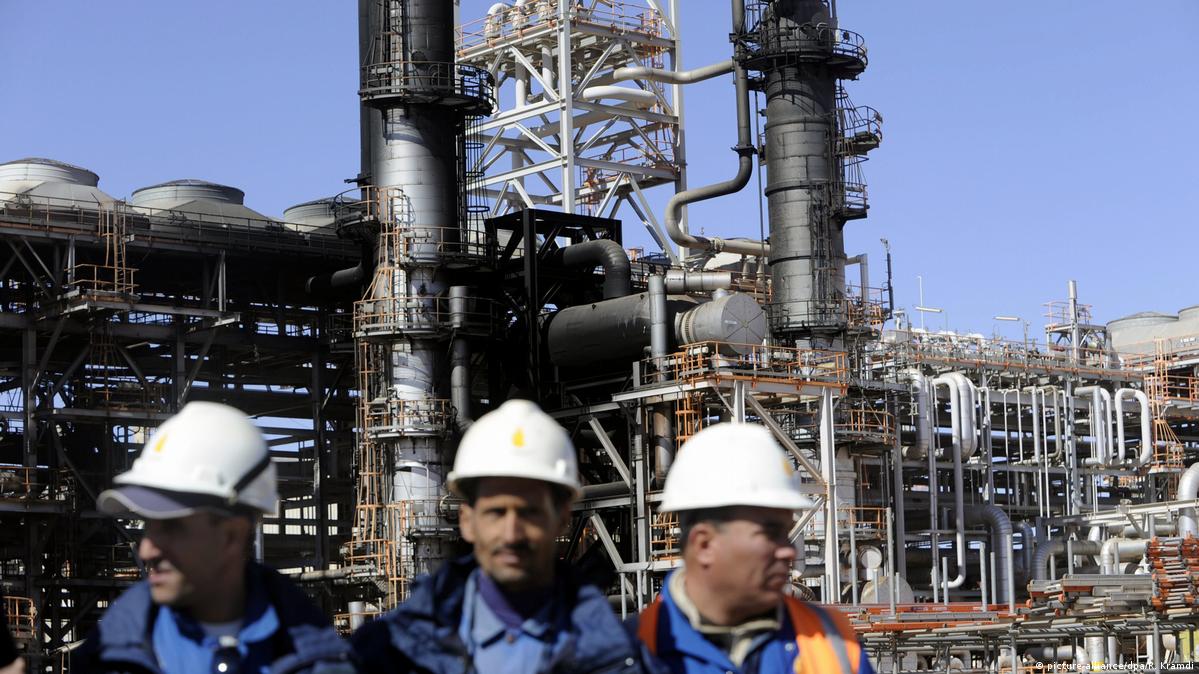
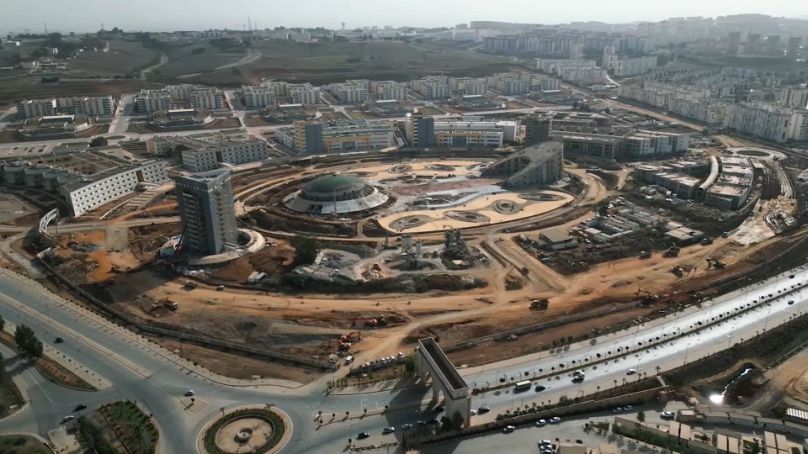
One of the key factors that helped Algeria maintain stability was its oil and gas wealth.
Unlike countries with fewer resources, Algeria was able to use energy revenues to:
• Fund social programs
• Increase public spending
• Provide economic relief
These measures helped reduce immediate public anger.
The government effectively used economic tools to ease pressure from the streets.
Why the Protests Did Not Become a Revolution
Several factors explain why Algeria did not experience a full Arab Spring revolution:
Historical Memory
The trauma of the 1990s civil war made many citizens wary of instability.
Fragmented Opposition
Protests lacked unified leadership and a clear national movement.
Economic Concessions
Government spending reduced immediate economic grievances.
Strong State Institutions
The military and security apparatus remained loyal to the government.
Controlled Political Environment
Authorities managed protests without allowing them to escalate.
These factors combined to prevent a revolutionary tipping point.
The Return of Protest: The Hirak Movement


4
Although the 2011 protests did not lead to major political change, underlying tensions remained.
In 2019, a new wave of protests known as the Hirak movement emerged.
The protests were triggered by President Bouteflika’s decision to seek a fifth term in office.
This time, the movement was:
• Larger
• More unified
• Sustained over a longer period
Mass demonstrations forced Bouteflika to resign in 2019.
However, the broader political system remained largely intact.
Algeria Today
Today, Algeria continues to navigate a complex political environment.
The country has maintained stability compared to some of its neighbors, but challenges remain:
• Economic dependence on energy exports
• Youth unemployment
• Calls for deeper political reform
The legacy of both the Arab Spring protests and the Hirak movement continues to shape Algeria’s political future.
Why Algeria Matters in the Arab Spring
Algeria represents one of the most important “non-revolution” cases of the Arab Spring.
It shows that:
• Not all protest movements lead to regime change
• Governments can use economic and political tools to manage unrest
• Historical experiences can shape how societies respond to political crises
Algeria’s story is a reminder that sometimes the absence of revolution is just as important as revolution itself.
Final Reflection
The Algerian experience highlights a critical lesson:
Revolutions are not inevitable—even when the conditions seem similar.
While other countries experienced dramatic upheaval, Algeria followed a path of containment, adaptation, and delayed change.
Its story adds an essential dimension to understanding the full scope of the Arab Spring.
Similar Tags
Search
Subscribe
Donate


Your Statistics
For the care and safety of this prayer space, we gently record the time and location of each visit. This helps us protect sincerity while preserving anonymity.
Your Date and Time
IP Addres:
216.73.216.29
System
- OS Linux n
- PHP 8.3.30
- MySQLi 10.6.25-MariaDB-log
- Time 19:06
- Caching Disabled
- Gzip Disabled
- Users 10
- Articles 315
- Articles View Hits 6362
Website Visitors Map
About Greg Loucks
Greg Loucks is a writer, poet, filmmaker, musician, and graphic designer, as well as a creative visionary and faith-driven storyteller working at the intersection of language, meaning, and human connection. Born and raised in Phoenix, Arizona, he has lived in Cincinnati, Ohio; Hot Springs, Arkansas; Williams, Arizona; and Flagstaff, Arizona—each place shaping his perspective, resilience, and creative voice.

Address:
United States of America and Europe
Phone Numbers:
Arizona: (928) 563-GREG (4734)
Tennessee: (615) 899-GREG (4734)
Toll-Free: 888-457-GREG (4734)

Terms & Conditions
Subscribe
Report
My comments