


Since May 1, 2019 · 126th Emperor of Japan · Ceremonial & Symbolic Head of State of the Reiwa Era

Empress Consort of Japan · Cultural & Ceremonial Figure of the Imperial Household

Brother of Emperor Naruhito · Heir Apparent to the Chrysanthemum Throne

Since October 21, 2025 · First Female Prime Minister of Japan · Head of Government & Leader of the Liberal Democratic Party


Prefectures
Island Groups
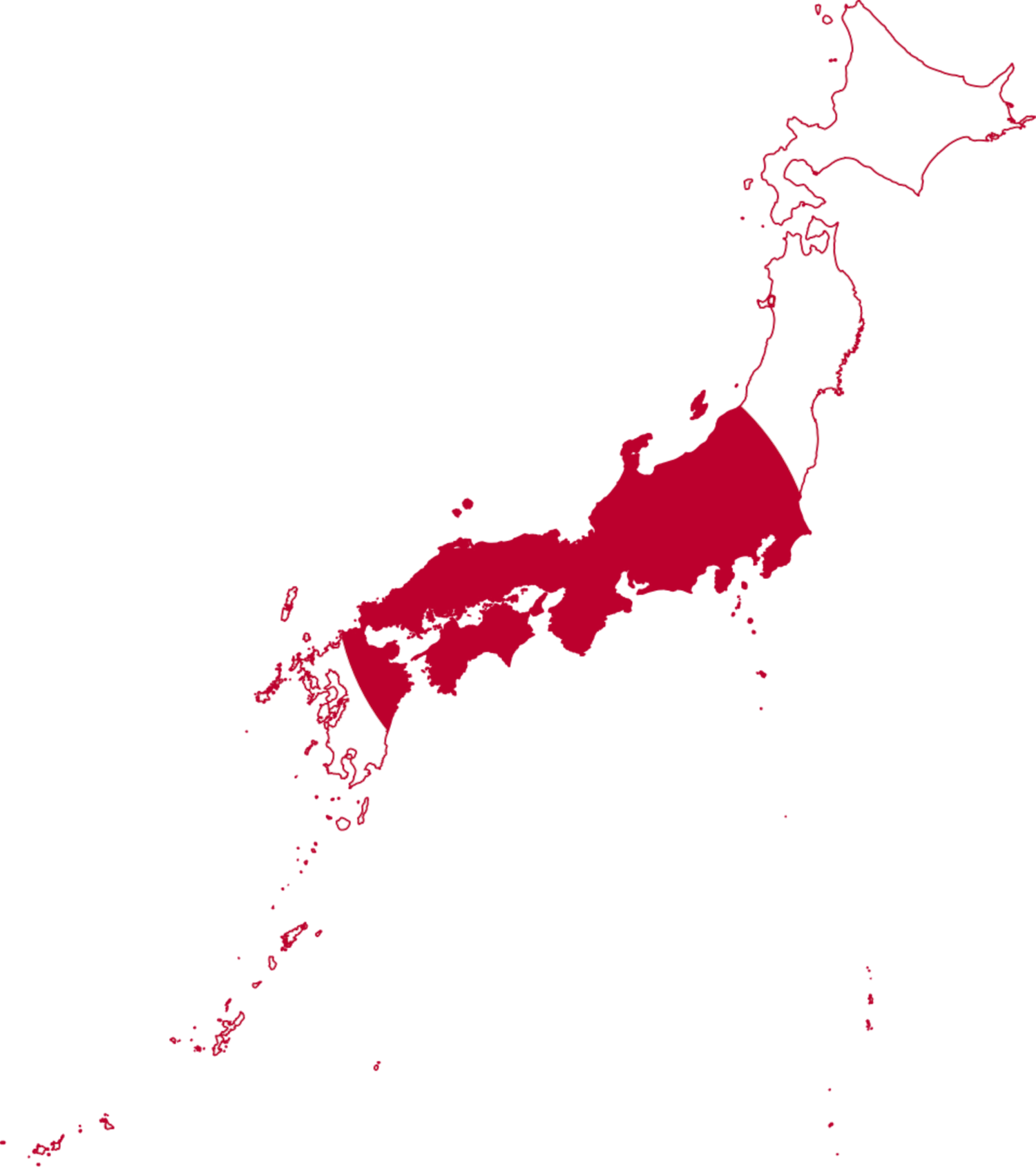
Japan is an island country in East Asia consisting of a mountainous archipelago, characterized by volcanic peaks, forested hills, narrow coastal plains, and long coastlines along the Pacific Ocean.

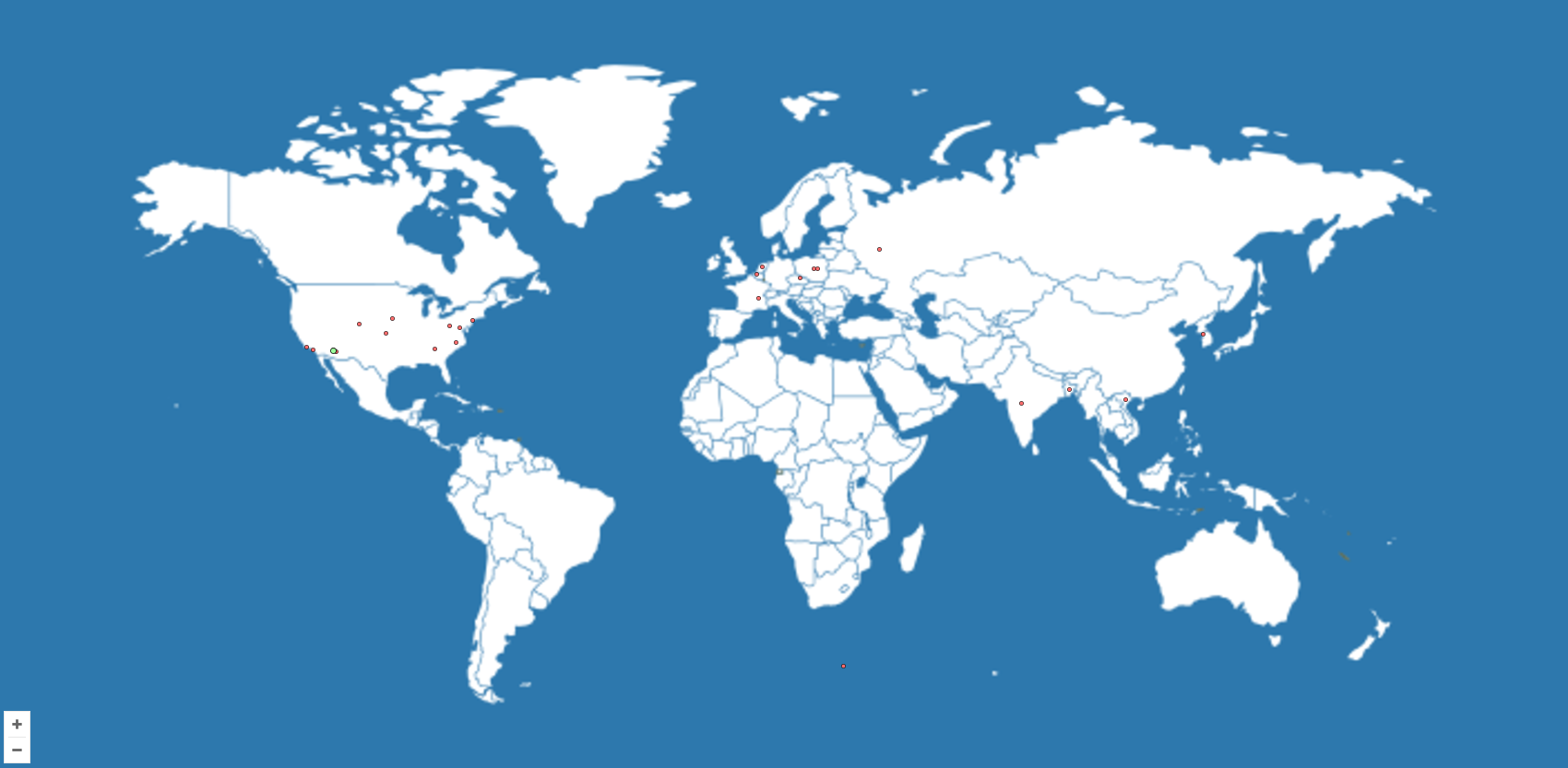
📍 Japan is an island country located in East Asia, situated in the northwest Pacific Ocean off the eastern coast of the Asian continent. It lies east of China, North Korea, and South Korea, and north of Taiwan.
As an island nation, Japan has no land borders and is surrounded by the Pacific Ocean, along with nearby seas such as the Sea of Japan to the west and the East China Sea to the southwest. It consists of four main islands—Honshu, Hokkaido, Kyushu, and Shikoku—and many smaller islands.
Japan’s terrain is largely mountainous and volcanic, with limited flat land for settlement. The country lies along the Pacific Ring of Fire, making it prone to earthquakes and volcanic activity. Japan’s location has historically influenced its development, trade, and cultural exchange, while also contributing to periods of isolation and unique cultural evolution.

Largest Cities


Prefectures (都道府県)


Prefectures (都道府県) are the primary administrative divisions of Japan. Japan has 47 prefectures, including one metropolis (Tokyo), two urban prefectures (Osaka and Kyoto), one territory (Hokkaido), and 43 standard prefectures. Total: 47


Road System (Transportation Infrastructure)
Drives On: Left
Japan follows left-hand traffic regulations.
Electrical System (Power Plug Types)
Primary Plug Types: Type A & Type B
Japan commonly uses Type A and Type B electrical outlets.
What is the Internet TLD for Japan?
A top-level domain (TLD) is the last section of a website address that appears after the final dot.Country-code top-level domains are called ccTLDs and are assigned to countries and territories around the world.
Examples:
.cn = China .kr = South Korea .jp = Japan
Japan uses:
.jp
What is the ISO Code for Japan?
ISO country codes come from the international standard ISO 3166 created by the International Organization for Standardization (ISO). These codes are used globally in databases, aviation systems, banking, shipping, and international data systems to uniquely identify countries and territories.ISO 3166-1 codes are the two-letter country codes such as US, FR, or JP. These are called Level-1 ISO codes.
Only ISO 3166-1 codes support flag emojis. Flag emojis are created by combining two Unicode regional indicator letters that match the country's ISO two-letter code.
Japan is assigned the ISO 3166-1 alpha-2 code:
JP
Subdivision codes do not have flag emojis.
ISO-2 Code: JP
ISO-3 Code: JPN
ISO Numeric Code: 392
JP  Japan (ISO 3166-1)
Japan (ISO 3166-1) Click to Copy Flag
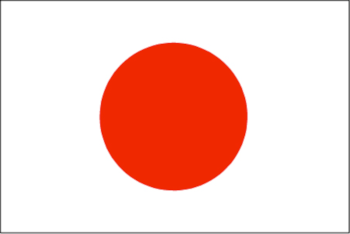
Unicode Flag Code: U+1F1EF U+1F1F5
Click to Copy
🇯🇵 "君が代" – (Japanese) / "His Imperial Majesty’s Reign"
• Lyrics based on a classical Japanese poem from the Heian period
• Music composed by Hayashi Hiromori with arrangements by Franz Eckert
• Adopted as Japan’s national anthem in 1888 and legally established in 1999
• Music composed by Hayashi Hiromori with arrangements by Franz Eckert
• Adopted as Japan’s national anthem in 1888 and legally established in 1999
Tourism Slogan:
「日本。終わりなき発見」
(Translated from Japanese: "Japan. Endless Discovery")
Japan does not have a single, official national motto, but it is often associated with the tourism slogan "Japan. Endless Discovery."
Historical Slogan:
「国を豊かにし、軍隊を強くする」
(Translated from Japanese: "Enrich the Country, Strengthen the Armed Forces")
Historically, slogans like "Fukoku kyōhei" (Enrich the Country, Strengthen the Armed Forces) were used, while cultural philosophies such as "Mottainai" (sense of waste) and "Kaizen" (continuous improvement) reflect modern Japanese values.
Cultural Philisophy:
「無駄の感覚」
(Translated from Japanese: "Sense of Waste")
Historically, slogans like "Fukoku kyōhei" (Enrich the Country, Strengthen the Armed Forces) were used, while cultural philosophies such as "Mottainai" (sense of waste) and "Kaizen" (continuous improvement) reflect modern Japanese values.
Cultural Philisophy:
「継続的な改善」
(Translated from Japanese: "Continuous Improvement")
Historically, slogans like "Fukoku kyōhei" (Enrich the Country, Strengthen the Armed Forces) were used, while cultural philosophies such as "Mottainai" (sense of waste) and "Kaizen" (continuous improvement) reflect modern Japanese values.
MY BLOG
Below is all of my blogs together, from all of my sites.
Cultural Survival, 🇱🇮 Liechtenstein: Small State, Enduring Identity2026-03-18 20:26:58
A Series on Cultural Survival 4 Throughout history, many nations survived because of size,...
Cultural Survival, 🇩🇪 Germany: Identity Through Fragmentation and Reunification2026-03-18 20:25:25
A Series on Cultural Survival 4 Throughout history, some nations survived conquest. Others endured...
Cultural Survival, 🇦🇹 Austria: From Empire to Identity2026-03-18 20:23:46
A Series on Cultural Survival 4 Throughout history, some nations fought to gain power. Others...
SUBSCRIBE
Subscribe To Our Blog (News)
CONTACT ME
There are a few ways to contact me. Important phone calls and emails will be answered in 24 hours.
Office Address
Located in the USA and Europe
Phone Number
Email Address