



🖊️ Post


🌍🎨Color Revolution Series Part 11 ☪︎ The Arab Spring Part 1: A Wave of Revolutions Across the Middle East and North Africa


4
The Arab Spring was one of the most dramatic waves of political upheaval in the modern era.
Beginning in 2010, a series of protests and uprisings spread rapidly across North Africa and the Middle East, challenging governments that had ruled their countries for decades.
Within just a few years, the Arab Spring led to:
• The overthrow of several long-standing governments
• Civil wars in multiple countries
• Major geopolitical conflicts that continue to affect the world today
For supporters, the Arab Spring represented a historic push for freedom, democratic reform, and economic opportunity.
For critics, the uprisings revealed how political instability, regional rivalries, information warfare, and international intervention could destabilize entire regions.
The events of the Arab Spring demonstrated how modern protest movements, digital communication networks, and geopolitical competition can combine to produce rapid political transformation across multiple countries simultaneously.
Conditions That Led to the Arab Spring
Before the Arab Spring began, many countries in the Middle East and North Africa had been ruled by authoritarian governments for decades.
Several long-standing leaders included:
• Zine El Abidine Ben Ali in Tunisia (since 1987)
• Hosni Mubarak in Egypt (since 1981)
• Muammar Gaddafi in Libya (since 1969)
• Bashar al-Assad in Syria (since 2000, succeeding his father)
• Ali Abdullah Saleh in Yemen (since 1978)
Although these governments differed in ideology and structure, many shared common characteristics:
• Strong centralized authority
• Limited political freedoms
• Restrictions on opposition parties
• Control over media and public institutions
At the same time, the region faced serious social and economic challenges.
These included:
• High unemployment, particularly among young people
• Rising food prices
• Widespread corruption
• Limited economic opportunities
• Growing frustration with political elites
The Middle East also had one of the youngest populations in the world, with millions of young people entering the workforce each year.
Many of these young citizens felt that their governments offered little hope for economic advancement or political participation.
These tensions created the conditions for widespread unrest.
Tunisia: The Spark That Ignited the Arab Spring


4
The Arab Spring began in Tunisia in December 2010.
The immediate trigger was a tragic incident involving a young street vendor named Mohamed Bouazizi.
Bouazizi made a living selling fruit and vegetables from a small cart.
After local officials confiscated his goods and reportedly mistreated him, he set himself on fire in protest.
The act shocked the country.
News of the incident spread quickly through social media, television networks, and word of mouth.
Soon, protests erupted across Tunisia.
Demonstrators called for:
• Economic reforms
• Government accountability
• An end to corruption
Within weeks, the protests grew into a nationwide uprising.
In January 2011, President Zine El Abidine Ben Ali fled the country after 23 years in power.
Tunisia became the first government to fall during the Arab Spring.
Egypt and the Tahrir Square Revolution


4
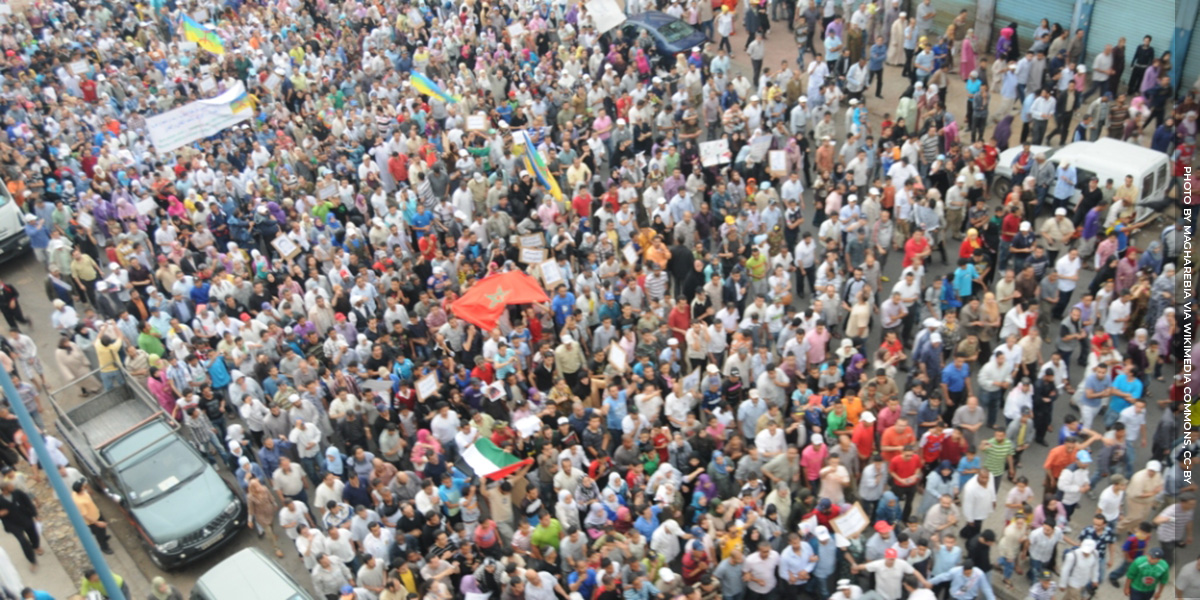
The success of the Tunisian uprising quickly inspired protests across the region.
One of the largest and most influential movements occurred in Egypt.
In January 2011, massive demonstrations erupted in Cairo’s Tahrir Square.
Hundreds of thousands of protesters gathered to demand the resignation of President Hosni Mubarak, who had ruled Egypt for nearly thirty years.
Protesters called for:
• Democratic reforms
• Free elections
• Economic opportunities
• The end of corruption
The demonstrations continued for weeks despite clashes with security forces.
Eventually, the Egyptian military withdrew its support for Mubarak.
On February 11, 2011, Mubarak resigned.
The fall of Mubarak marked one of the most dramatic moments of the Arab Spring.
Libya: From Protest to Civil War


4
In Libya, protests against the government of Muammar Gaddafi began in early 2011.
Unlike Tunisia and Egypt, however, the Libyan uprising quickly escalated into a full-scale civil war.
Rebel forces seized control of parts of the country.
Government forces responded with military action.
The conflict soon attracted international attention.
In March 2011, a NATO-led coalition launched air strikes against Libyan government forces, supporting the rebel movement.
After months of fighting, rebel forces captured the capital city of Tripoli.
Later that year, Muammar Gaddafi was killed, bringing an end to his 42-year rule.
However, Libya’s political system collapsed following the war.
The country descended into prolonged instability and conflict among rival factions.
Syria: The Conflict That Became a Global War


4
In Syria, protests against the government of Bashar al-Assad began in 2011.
Demonstrations initially called for political reforms and greater freedoms.
However, the Syrian government responded with a severe crackdown.
The situation quickly escalated into a full-scale civil war.
The Syrian conflict became one of the most complex wars of the 21st century.
Multiple actors became involved, including:
• Syrian government forces
• Rebel factions
• Islamist militant groups
• Kurdish forces
• Foreign governments and military alliances
The war produced one of the largest humanitarian crises in modern history.
Millions of people were displaced or forced to flee the country.
Social Media and the Digital Revolution


4
One of the defining features of the Arab Spring was the role of digital communication technologies.
Social media platforms such as:
• Facebook
• Twitter
• YouTube
• Messaging applications
became essential tools for organizing protests and spreading information.
Activists used these platforms to:
• Coordinate demonstrations
• Share videos and photographs
• Communicate with supporters
• Attract international media attention
Because of this, some commentators referred to the Arab Spring as a “Facebook Revolution” or “Social Media Revolution.”
Although social media did not cause the uprisings by itself, it helped accelerate the spread of protest movements across national borders.
NGOs, Media Narratives, and International Debate
As with earlier Color Revolutions, the Arab Spring sparked debate about the role of civil society organizations, foreign governments, and international media.
Various organizations promoting democratic governance had supported programs in the region related to:
• Civic education
• Media development
• Political transparency
• Election monitoring
Institutions involved in such initiatives internationally include organizations such as:
• The Open Society Foundations, associated with George Soros
• The National Endowment for Democracy (NED)
• The National Democratic Institute (NDI)
• The International Republican Institute (IRI)
Supporters argue that these programs encourage democratic participation.
Critics argue that such initiatives can intersect with broader geopolitical competition between global powers.
At the same time, international media coverage played a major role in shaping global perceptions of the uprisings.
The Outcomes of the Arab Spring
The results of the Arab Spring varied widely from country to country.
Some governments fell quickly.
Others survived the protests.
Several countries experienced prolonged conflict.
Major outcomes included:
• Tunisia – political reforms and democratic transition
• Egypt – government change followed by military takeover
• Libya – civil war and long-term instability
• Syria – ongoing civil war and humanitarian crisis
• Yemen – prolonged conflict and humanitarian disaster
These differing outcomes demonstrated that revolutions do not always produce stable political systems.
Why the Arab Spring Matters
The Arab Spring reshaped the political landscape of the Middle East and North Africa.
It demonstrated the power of:
• Mass protest movements
• Youth activism
• Digital communication networks
• Rapid information sharing across borders
At the same time, it revealed the risks of political upheaval in regions where state institutions are fragile and geopolitical rivalries are intense.
The consequences of the Arab Spring continue to influence global politics today.
The Legacy of the Arab Spring
More than a decade later, the effects of the Arab Spring are still unfolding.
Some countries have moved toward political reform.
Others remain trapped in cycles of conflict and instability.
The events of 2010–2011 remain one of the most important moments in modern political history.
They showed how a single protest in one country could ignite a chain reaction of uprisings across an entire region, reshaping international politics in ways that continue to reverberate around the world today.
Similar Tags
Search
Subscribe
Donate


Your Statistics
For the care and safety of this prayer space, we gently record the time and location of each visit. This helps us protect sincerity while preserving anonymity.
Your Date and Time
IP Addres:
216.73.216.29
System
- OS Linux n
- PHP 8.3.30
- MySQLi 10.6.25-MariaDB-log
- Time 19:06
- Caching Disabled
- Gzip Disabled
- Users 10
- Articles 315
- Articles View Hits 6370
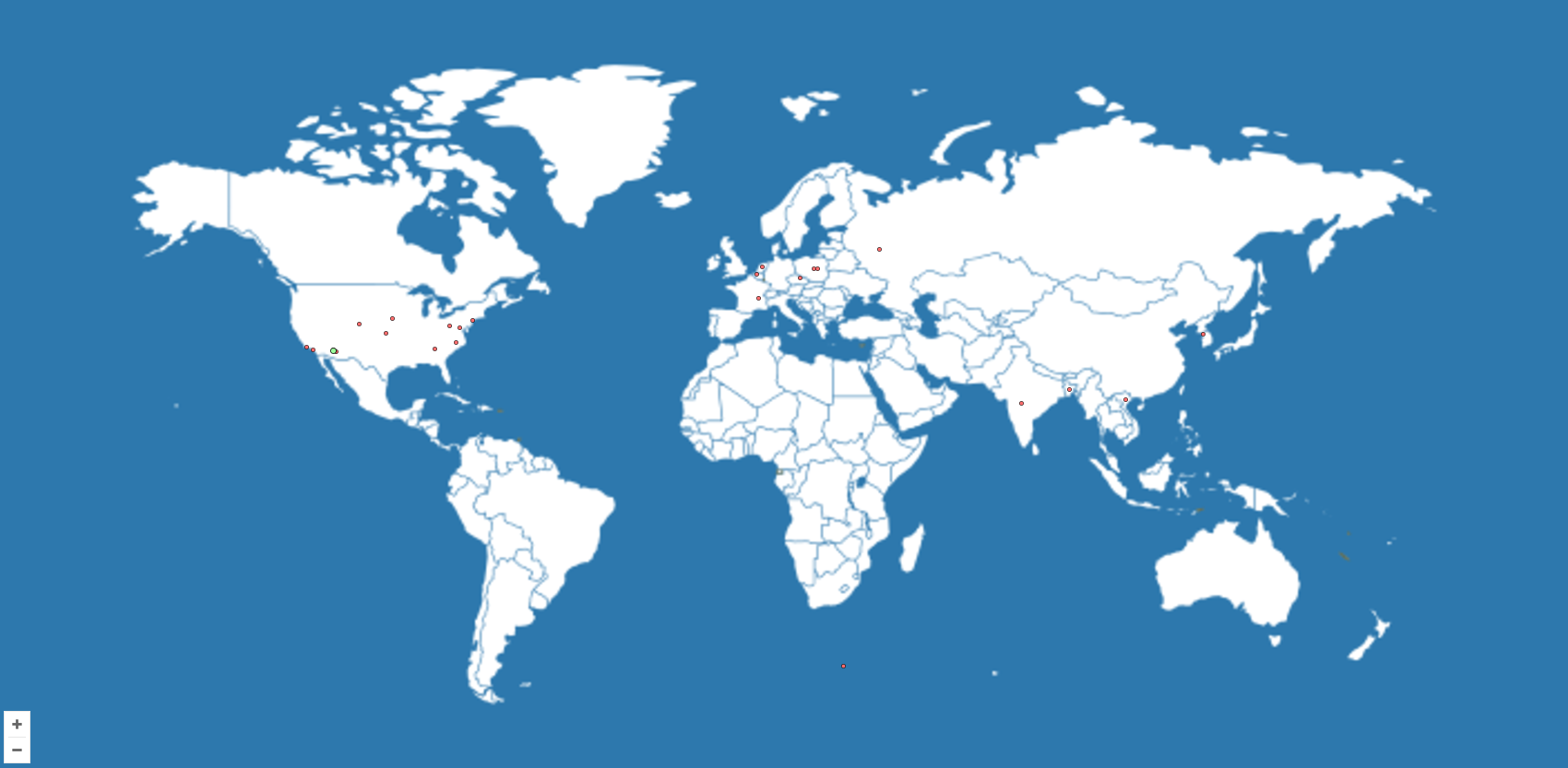
Website Visitors Map
About Greg Loucks
Greg Loucks is a writer, poet, filmmaker, musician, and graphic designer, as well as a creative visionary and faith-driven storyteller working at the intersection of language, meaning, and human connection. Born and raised in Phoenix, Arizona, he has lived in Cincinnati, Ohio; Hot Springs, Arkansas; Williams, Arizona; and Flagstaff, Arizona—each place shaping his perspective, resilience, and creative voice.

Address:
United States of America and Europe
Phone Numbers:
Arizona: (928) 563-GREG (4734)
Tennessee: (615) 899-GREG (4734)
Toll-Free: 888-457-GREG (4734)

Terms & Conditions
Subscribe
Report
My comments