



🖊️ Post


Cultural Survival, 🇲🇳 Mongolia: From Empire to Survival
A Series on Cultural Survival


4
Throughout history, some nations have struggled to survive because they were conquered.
But the story of Mongolia is different.
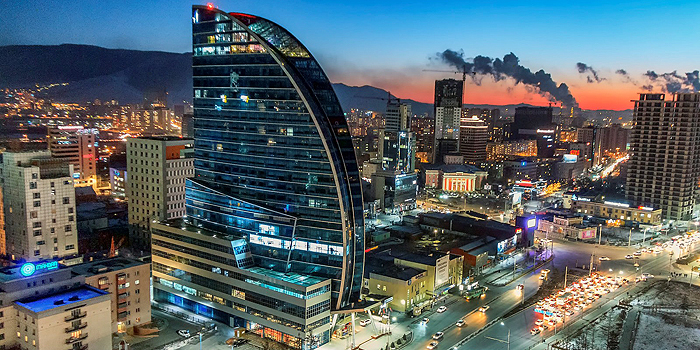
It is the story of a people who once ruled the largest contiguous land empire in history, and then, after that empire collapsed, preserved their identity through centuries of change, foreign influence, and political transformation.
Mongolia’s journey is not just about survival—it is about adaptation, memory, and cultural continuity after greatness.
The Steppe and the Nomadic Identity


4
The foundation of Mongolian identity begins with the land.
The vast steppes of Mongolia shaped a way of life centered on mobility, resilience, and independence.
Traditional Mongolian society developed around:
-
nomadic herding
-
seasonal migration
-
strong family and clan structures
-
deep connection to nature
The ger (yurt) became a symbol of this lifestyle—portable, practical, and rooted in tradition.
Psalm 24:1
“The earth is the Lord’s, and everything in it.”
The land was not just a setting—it was part of the identity.
The Rise of the Mongol Empire

4
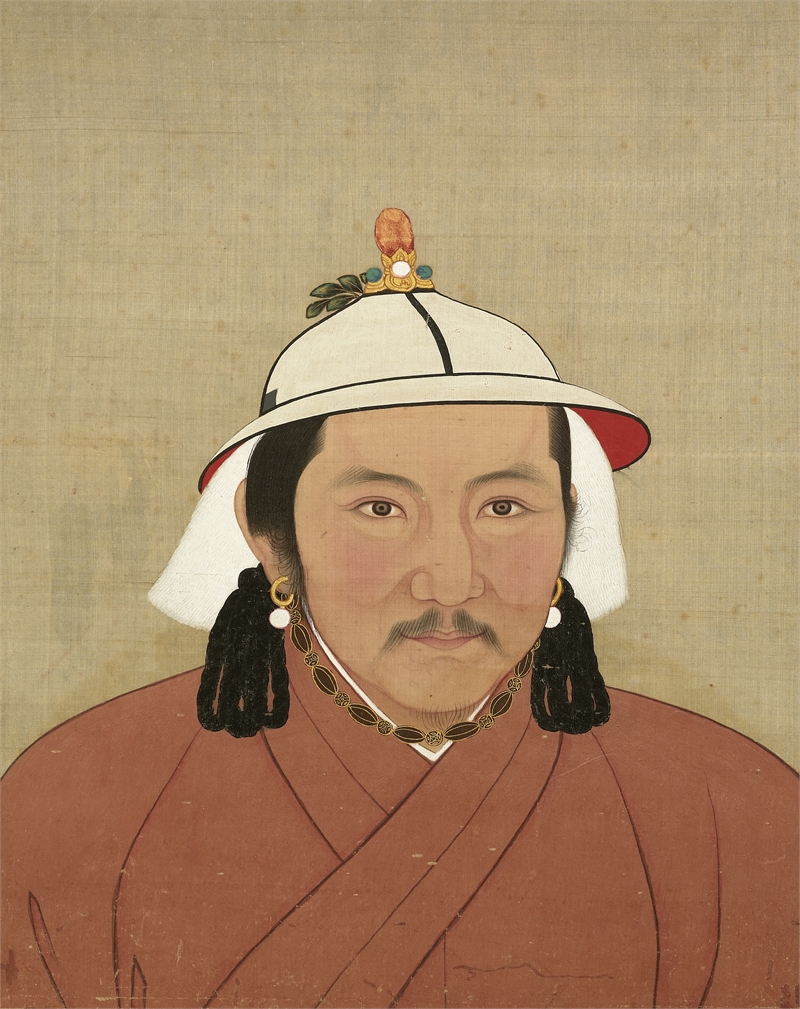
In the early 13th century, a leader emerged who would change world history:
Genghis Khan.
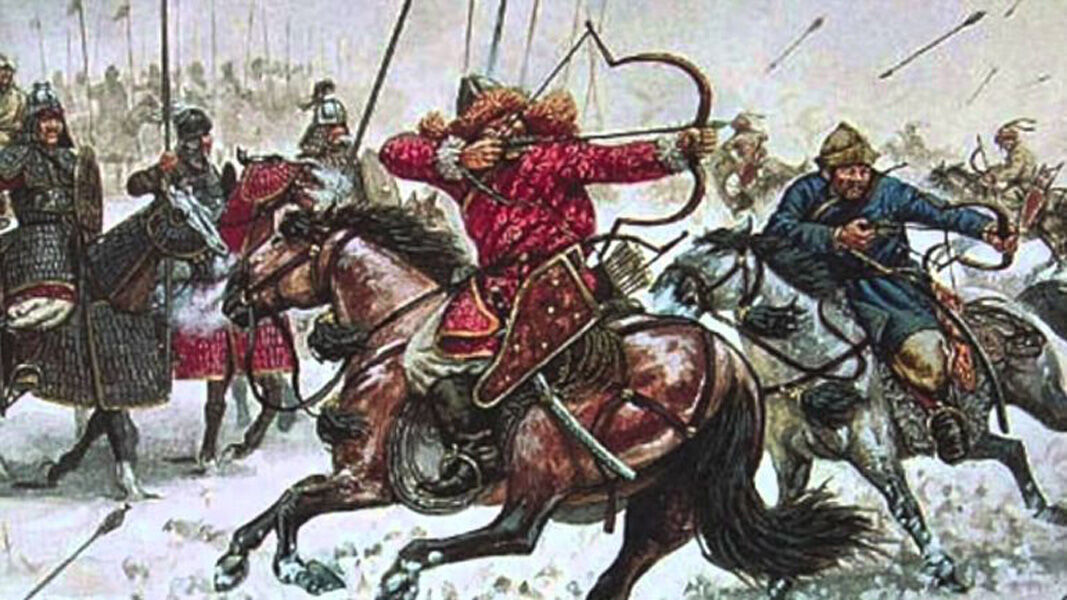
He united the Mongol tribes and created the Mongol Empire.
At its height, this empire stretched across Asia and into Europe, becoming the largest contiguous land empire in history.
The Mongol Empire:
-
connected East and West through trade routes
-
allowed cultural exchange across continents
-
reshaped global history
Yet despite its size and power, the empire would not last forever.
From Empire to Fragmentation


4
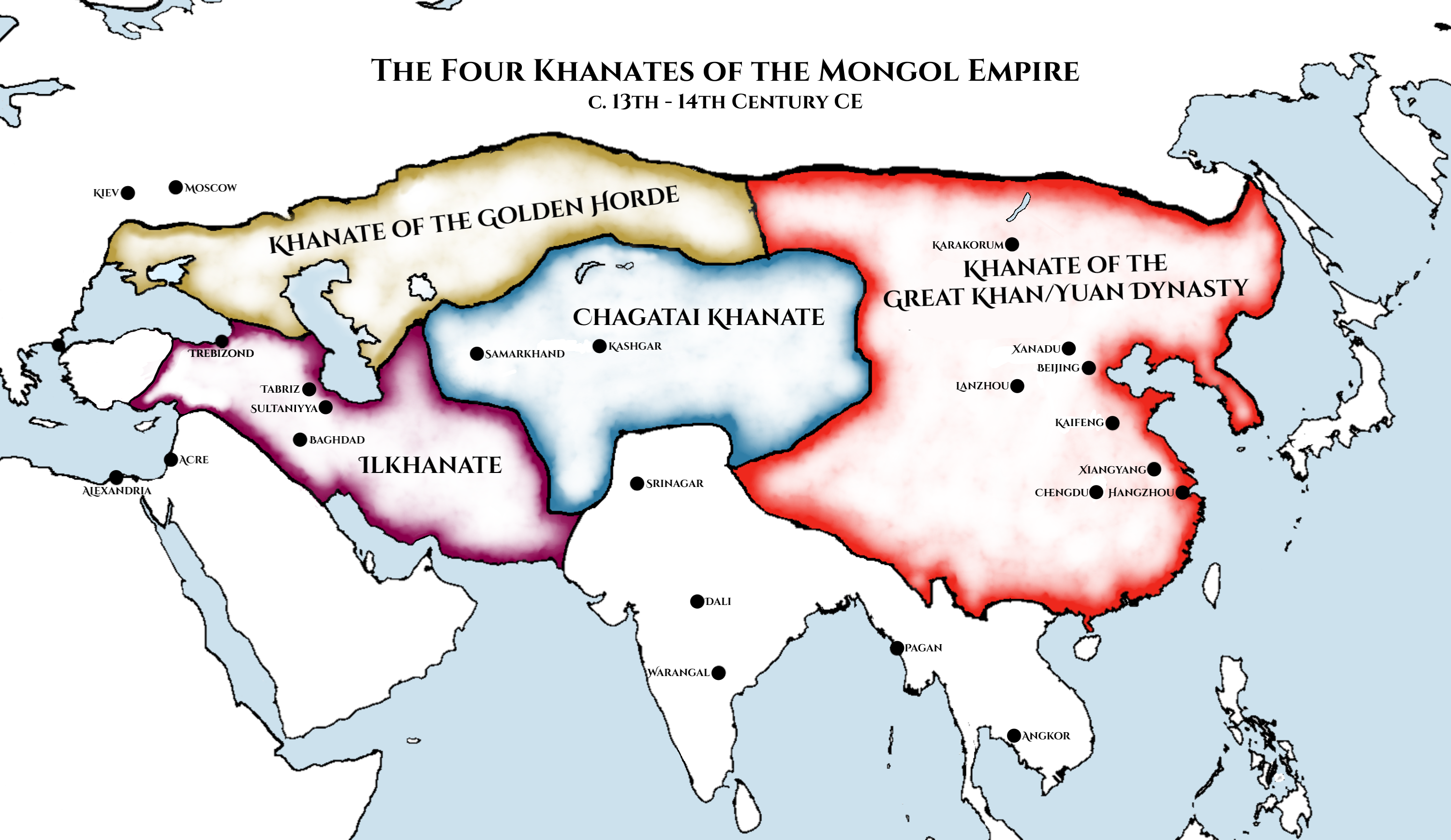
After the death of Genghis Khan and his successors, the Mongol Empire gradually fragmented into smaller khanates.
Over time, Mongolian political unity declined.
Some regions, such as China under the Yuan Dynasty, were ruled by Mongols but later lost.
Eventually, Mongolia itself became a region influenced or controlled by larger neighboring powers.
Despite the loss of empire, Mongolian identity did not disappear.
Under Qing Rule


4
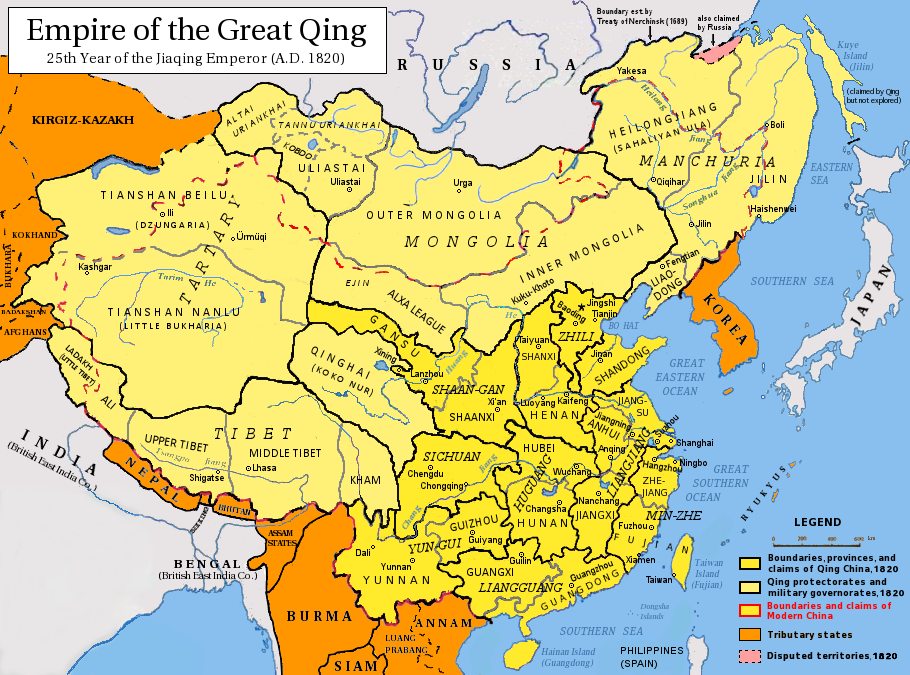
In the 17th century, Mongolia came under the control of the Qing Dynasty.
During this period:
-
Mongolia was incorporated into the Qing imperial system
-
political autonomy was limited
-
traditional structures were adapted to imperial administration
However, Mongolian culture continued to survive.
Faith and Cultural Identity


4
One of the most important influences on Mongolian identity during this period was Tibetan Buddhism.
Monasteries became centers of:
-
religious life
-
education
-
cultural preservation
Buddhism blended with older traditions, creating a unique spiritual identity.
Psalm 46:1
“God is our refuge and strength, an ever-present help in trouble.”
Faith helped preserve identity during periods of political change.
The 20th Century: Revolution and Change


4
In the early 20th century, Mongolia underwent major transformation.
In 1921, Mongolia declared independence from Qing control with support from the Soviet Union.
Mongolia became a socialist state influenced by Soviet policies.
During this time:
-
religious institutions were restricted
-
monasteries were closed or destroyed
-
political systems changed dramatically
Despite these changes, cultural identity endured among the people.
Romans 5:3–4
“Suffering produces perseverance; perseverance, character; and character, hope.”
A Return to Identity


4
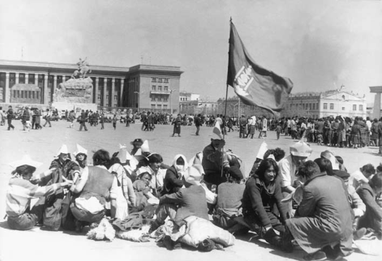
In 1990, Mongolia transitioned to a democratic system following the collapse of Soviet influence.
This marked a revival of:
-
cultural traditions
-
religious practices
-
national identity
Festivals such as Naadam celebrate traditional sports like wrestling, archery, and horse racing.
Mongolia began reconnecting with its historical roots.
Mongolia Today: Tradition and Change

4
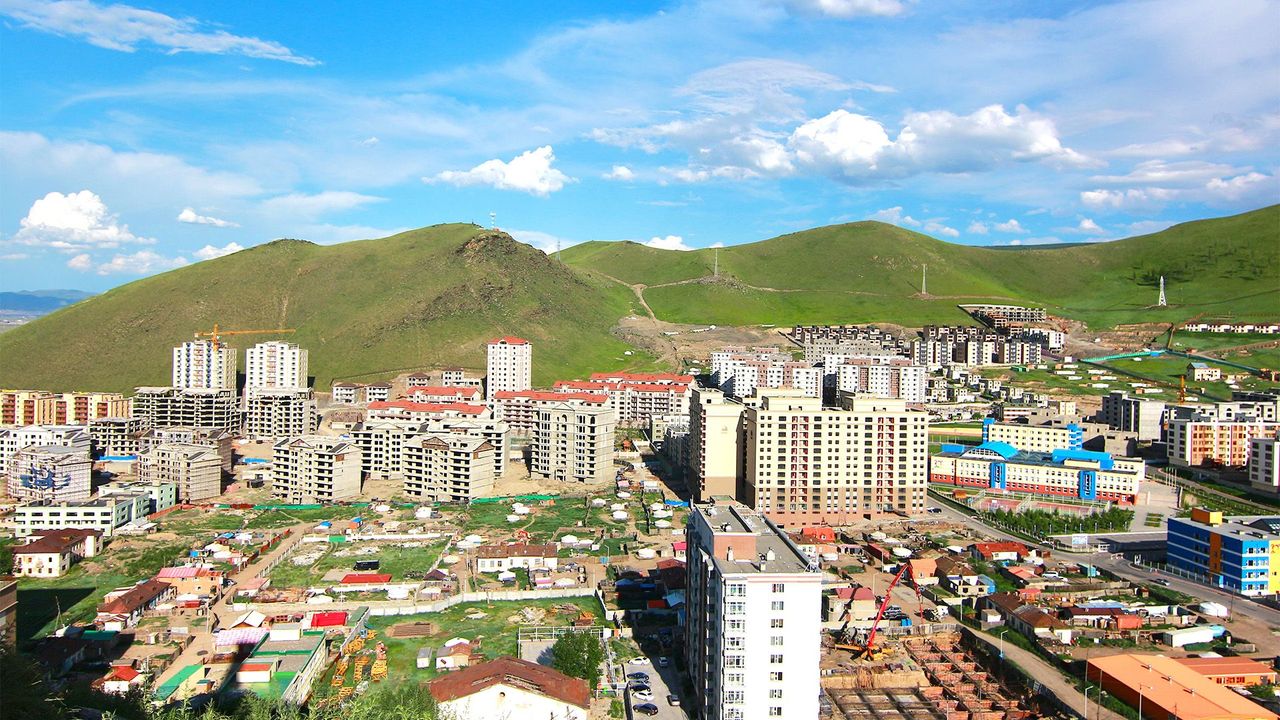
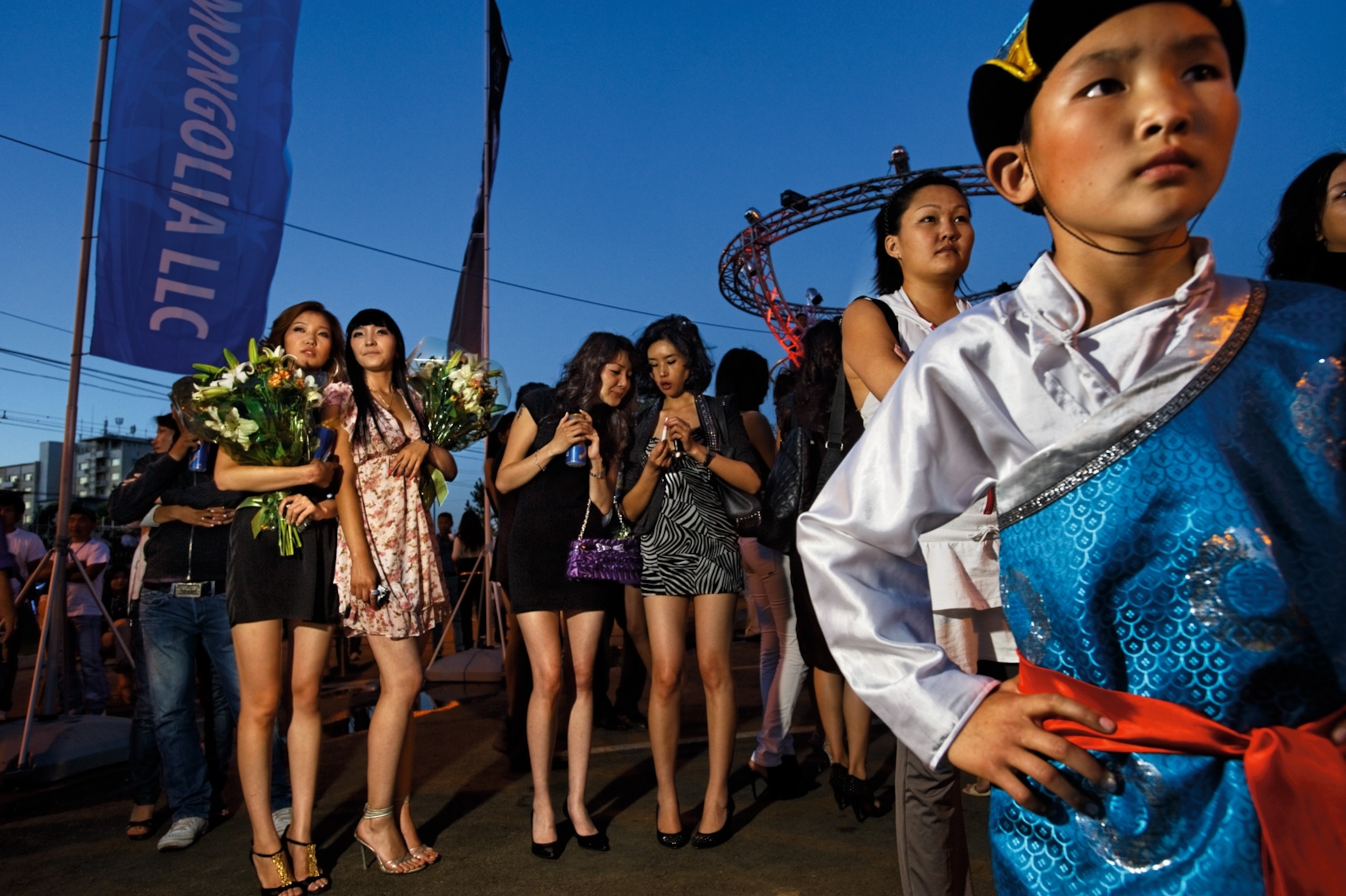
Today, Mongolia balances:
-
modern urban development
-
traditional nomadic life
-
historical identity
Even in a rapidly changing world, many Mongolians continue to live in ways that reflect ancient traditions.
Ministry Reflection: Lessons from Mongolia
The story of Mongolia offers powerful spiritual insights.
Identity Can Survive After Great Change
Even after the fall of a powerful empire, culture can endure.
Tradition Provides Stability
Nomadic traditions and cultural practices preserved identity across centuries.
Renewal Is Possible
After periods of suppression, cultural and spiritual life can be restored.
Hebrews 11:1
“Faith is confidence in what we hope for and assurance about what we do not see.”
Prayer Points
Prayer for Mongolia
Pray for continued cultural strength and unity.
Prayer for Faith Communities
Pray for spiritual renewal and growth.
Prayer for Tradition and Identity
Pray that traditions remain strong in a modern world.
Prayer for Future Generations
Pray that young people will carry forward their heritage.
2 Chronicles 7:14
“If my people, who are called by my name, will humble themselves and pray… then I will hear from heaven.”
The Deeper Lesson
Mongolia’s story shows that identity can survive both rise and fall.
A nation lives through:
-
culture
-
tradition
-
memory
-
people
Even after losing an empire, a nation can retain its identity.
Coming Next in This Series
Part 17 — Hungary: Identity After Empire
Hungary offers another powerful story of survival, where a nation endured the collapse of its empire and preserved its identity through language and culture.
Its story reveals how nations adapt after losing power yet remain strong.
Similar Tags
Search
Subscribe
Donate


Your Statistics
For the care and safety of this prayer space, we gently record the time and location of each visit. This helps us protect sincerity while preserving anonymity.
Your Date and Time
IP Addres:
216.73.217.84
System
- OS Linux n
- PHP 8.3.30
- MySQLi 10.6.25-MariaDB
- Time 10:23
- Caching Disabled
- Gzip Disabled
- Users 246
- Articles 315
- Articles View Hits 24271
Website Visitors Map
About Greg Loucks
Greg Loucks is a writer, poet, filmmaker, musician, and graphic designer, as well as a creative visionary and faith-driven storyteller working at the intersection of language, meaning, and human connection. Born and raised in Phoenix, Arizona, he has lived in Cincinnati, Ohio; Hot Springs, Arkansas; Williams, Arizona; and Flagstaff, Arizona—each place shaping his perspective, resilience, and creative voice.

Address:
United States of America and Europe
Phone Numbers:
Arizona: (928) 563-GREG (4734)
Tennessee: (615) 899-GREG (4734)
Toll-Free: 888-457-GREG (4734)

Comments