A Series on Cultural Survival
Throughout history, some nations have endured centuries of foreign rule yet preserved a distinct identity that refused to disappear.
Few examples illustrate this enduring resilience more clearly than Ireland.
For hundreds of years, Ireland existed under the political control of a powerful neighboring state. Its land was colonized, its language suppressed, and its people faced famine, displacement, and cultural pressure.
Yet Ireland did not lose itself.
Its identity survived through faith, language, storytelling, and deep-rooted cultural traditions.
The story of Ireland is not only one of struggle—it is a story of endurance, memory, and the quiet power of a people who refused to forget who they were.
Ancient Ireland: A Culture of Memory
The cultural roots of Ireland stretch back thousands of years.
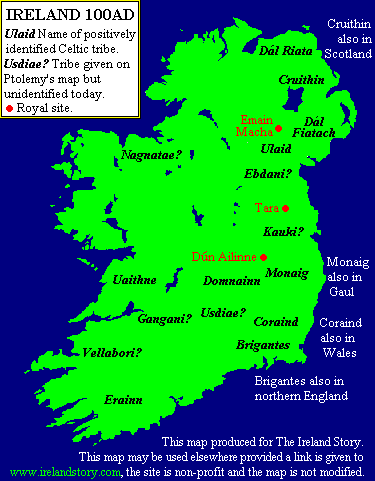
Long before modern states existed, Ireland was home to Celtic tribes with rich traditions, mythology, and social structures. These early societies valued oral storytelling, poetry, and memory.
Sites such as Newgrange, a prehistoric monument older than the pyramids of Egypt, demonstrate the deep historical roots of the island.
Another important location, the Hill of Tara, served as a ceremonial center for ancient Irish kings.
In early Ireland, history was not written—it was remembered and spoken.
Bards and storytellers preserved genealogies, legends, and laws through oral tradition.
Deuteronomy 32:7
“Remember the days of old; consider the generations long past.”
Memory became one of the earliest foundations of Irish identity.
The Arrival of Christianity
In the 5th century, Christianity began to spread across Ireland.
The most famous figure associated with this transformation is
Saint Patrick.
Christianity did not erase Irish culture—it transformed and preserved it.
Irish monasteries became centers of learning, art, and scholarship.
Monks produced illuminated manuscripts such as the Book of Kells, one of the most famous works of medieval Christian art.
During a time when much of Europe faced instability, Irish monasteries preserved knowledge, scripture, and classical learning.
Psalm 46:1
“God is our refuge and strength, an ever-present help in trouble.”
Faith became deeply intertwined with Irish identity.
English Rule and Cultural Pressure
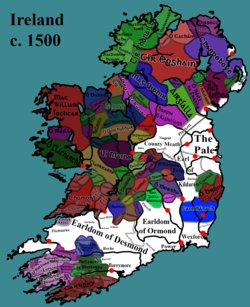
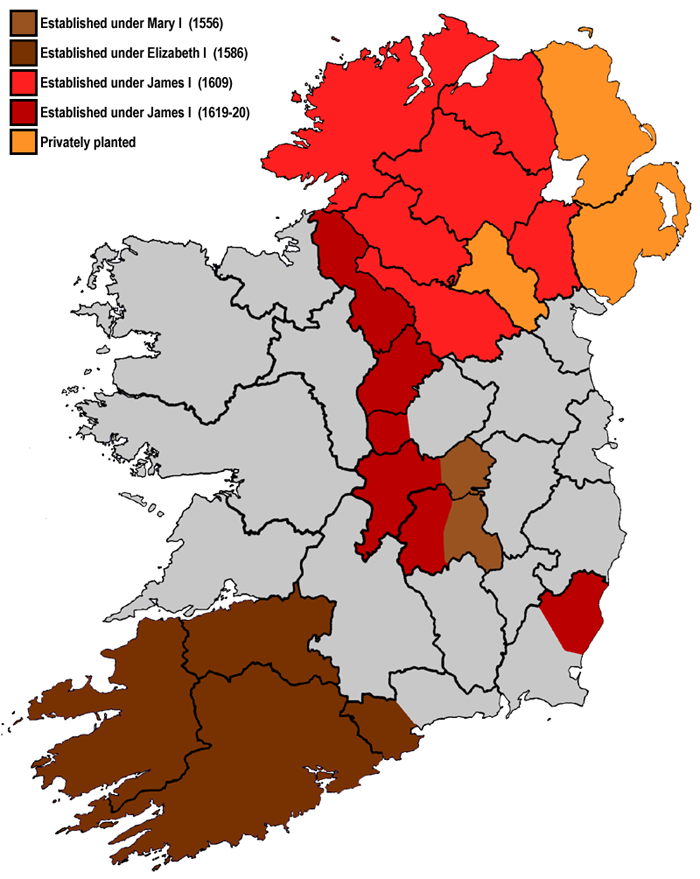
Beginning in the late medieval period and intensifying in the 16th and 17th centuries, Ireland came increasingly under the control of England.
Policies were introduced that aimed to reshape Irish society.
These included:
-
confiscation of land from Irish families
-
settlement of English and Scottish colonists
-
suppression of Irish political structures
-
restrictions on Catholic religious practice
Over time, these policies sought to integrate Ireland into English political and cultural systems.
The traditional Irish language, Gaelic, began to decline in many areas.
Yet it did not disappear.
In rural communities, families continued to speak Gaelic, preserving a key part of Irish identity.
Faith Under Pressure
Religion became a central element of Irish cultural survival.
While English rule increasingly favored Protestant institutions, the majority of Irish people remained devoted to the Roman Catholic Church.
During periods of restriction known as the Penal Laws, Catholic practices were limited.
In some cases, worship had to take place in secret.
Mass was sometimes celebrated outdoors at locations known as “priest holes” or “mass rocks.”
Despite these restrictions, faith endured.
Psalm 34:19
“The righteous person may have many troubles, but the Lord delivers him from them all.”
Religious life became both a spiritual refuge and a form of quiet resistance.
The Great Famine and Diaspora
One of the most devastating events in Irish history occurred in the mid-19th century.
The Great Famine led to the deaths of approximately one million people and forced another million to emigrate.
The famine reshaped Irish society.
Large numbers of Irish people left for countries such as:
-
United States
-
Canada
-
Australia
These emigrants formed a vast Irish diaspora.
Even far from home, they carried Irish culture with them.
Music, storytelling, religion, and traditions continued to define Irish communities abroad.
Psalm 147:3
“He heals the brokenhearted and binds up their wounds.”
The Gaelic Revival
In the late 19th and early 20th centuries, efforts began to revive Irish language and culture.
Organizations such as the Gaelic League promoted the use of the Irish language and traditional customs.
This movement became known as the Gaelic Revival.
It encouraged:
-
learning the Irish language
-
preserving folklore and storytelling
-
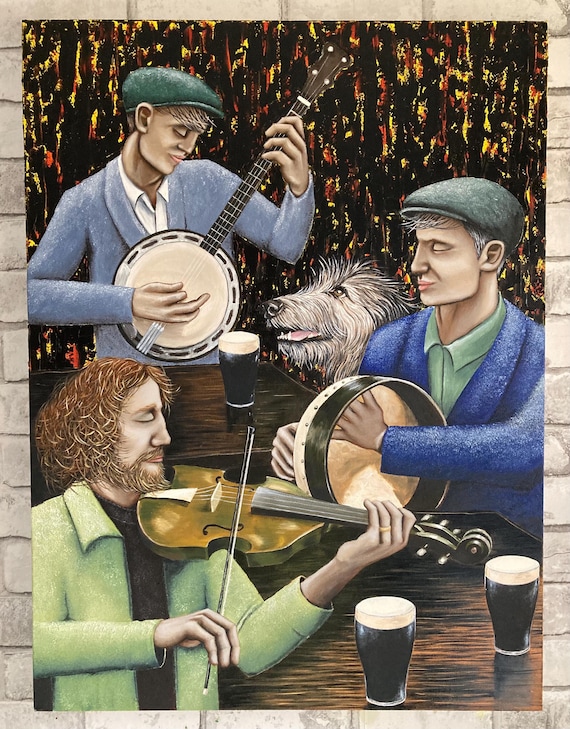
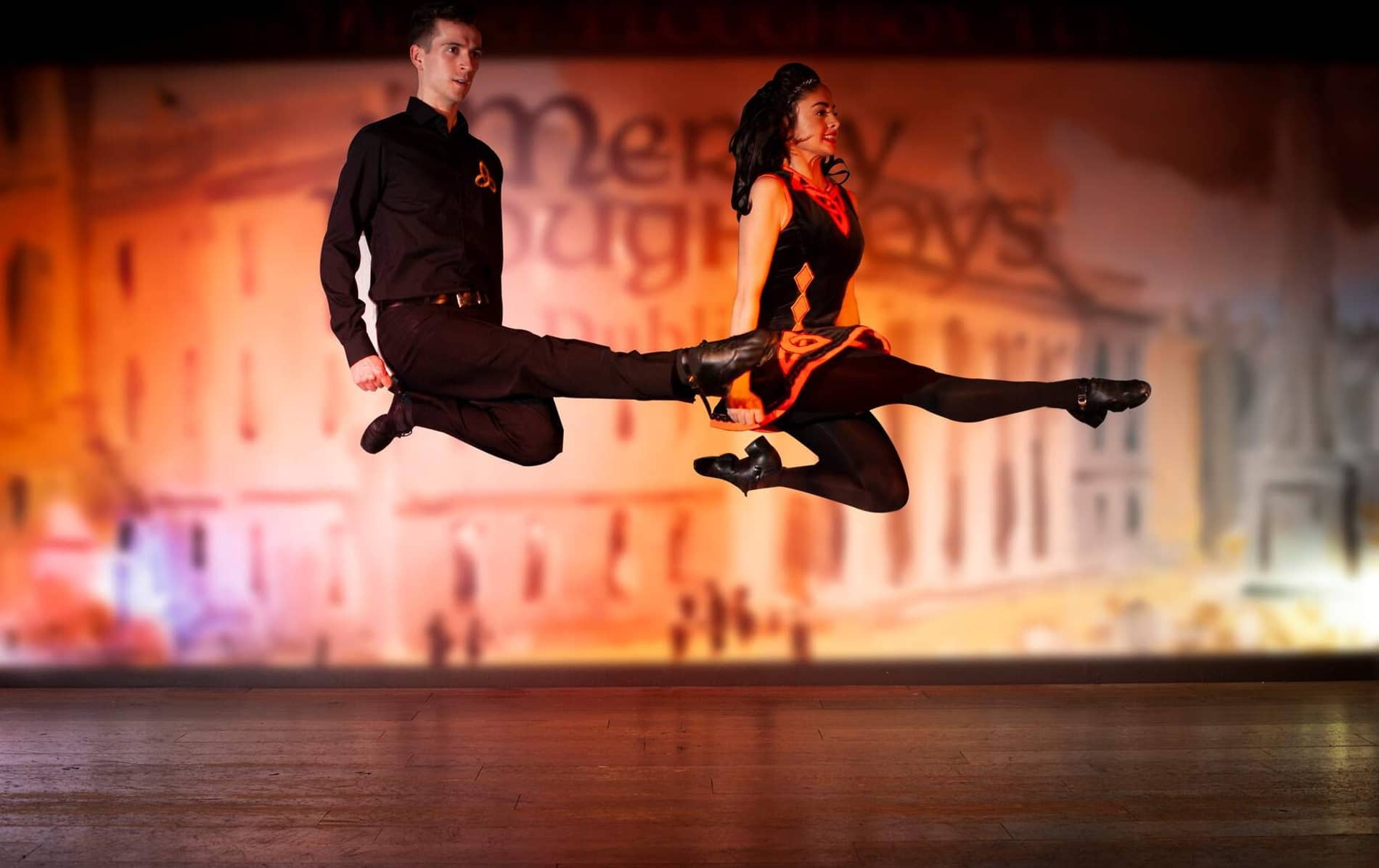
promoting traditional music and dance
These efforts helped strengthen national identity during a time of political change.
Independence and Identity
In the early 20th century, Ireland moved toward independence.
The Easter Rising marked a significant turning point.
This was followed by the Irish War of Independence, which ultimately led to the establishment of an independent Irish state.
Though political independence brought new challenges, it also allowed Ireland to further develop its cultural identity.
Ecclesiastes 3:1
“To everything there is a season, and a time for every purpose under heaven.”
Culture and Identity Today
Today, Irish identity continues to be expressed through:
-
language (Irish Gaelic and English)
-
music and dance
-
literature and poetry
-
national celebrations such as Saint Patrick's Day
-
strong global diaspora communities
Irish culture remains influential worldwide.
Ministry Reflection: Lessons from Ireland
The story of Ireland offers important spiritual insights.
Faith Can Sustain Identity
Religious belief helped preserve Irish identity during centuries of hardship.
Culture Can Survive Through Community
Even when language declined, traditions and values continued through families and communities.
Diaspora Can Strengthen Identity
Irish communities abroad helped preserve and spread cultural identity globally.
Hebrews 11:1
“Faith is confidence in what we hope for and assurance about what we do not see.”
Prayer Points
Prayer for Ireland
Pray for continued spiritual renewal and cultural strength.
Prayer for the Irish Diaspora
Pray that Irish communities worldwide will remain connected to their heritage.
Prayer for Cultural Preservation
Pray that languages and traditions will not be lost.
Prayer for Unity
Pray for unity, healing, and reconciliation across communities.
2 Chronicles 7:14
“If my people, who are called by my name, will humble themselves and pray… then I will hear from heaven.”
The Deeper Lesson
Ireland’s story shows that a nation is more than its political history.
A nation lives in:
-
memory
-
faith
-
language
-
tradition
-
community
Even under centuries of external control, Irish identity endured.
Coming Next in This Series
Part 5 — Israel: The Return After Two Millennia
Israel presents one of the most unique stories in history—a nation that re-emerged after nearly 2,000 years.
Its story explores identity, faith, and the long memory of a people across generations.
















Comments