



🖊️ Post


Cultural Survival, 🇪🇪 Estonia: Singing a Nation Back to Life
A Series on Cultural Survival

4
Throughout history, nations have fought for survival in many ways.
Some resisted through war. Others through faith, language, or diaspora.
But few stories are as unique as that of Estonia—a nation that helped restore its independence through culture, unity, and song.
For centuries, Estonia existed under foreign rule. Its land was controlled by powerful empires, its people governed by outsiders, and its identity often overshadowed by dominant cultures.
Yet Estonia endured.
Its language survived. Its traditions remained. Its people held onto a shared identity.
And in one of the most remarkable movements in modern history, Estonia helped bring about national restoration through peaceful cultural expression—what became known as the Singing Revolution.
Ancient Roots and Early Identity


4
The roots of Estonian culture stretch back thousands of years.
The region was originally inhabited by Finno-Ugric peoples, linguistically related to the people of Finland.
These early communities lived close to nature, forming identities shaped by forests, wetlands, and seasonal rhythms.
Estonian folklore developed rich traditions of storytelling, songs, and myths tied to the land.
Unlike many parts of Europe, early Estonian society did not form large centralized kingdoms. Instead, identity grew through local communities and shared cultural practices.
Psalm 24:1
“The earth is the Lord’s, and everything in it.”
Connection to land and tradition became foundational elements of Estonian identity.
Centuries Under Foreign Rule


4
For much of its history, Estonia was ruled by foreign powers.
Over the centuries, control of the region passed through several empires and ruling groups, including:
-
Teutonic Order
-
Kingdom of Denmark
-
Kingdom of Sweden
-
Russian Empire
During these periods, the ruling classes were often foreign elites—particularly Baltic German nobility—while the majority Estonian population remained rural and agrarian.
Estonian language and culture were largely preserved among the common people rather than in political institutions.
Deuteronomy 32:7
“Remember the days of old; consider the generations long past.”
Even without political power, cultural identity endured in everyday life.
The Power of Language and Awakening


4
In the 19th century, Estonia experienced a cultural awakening.
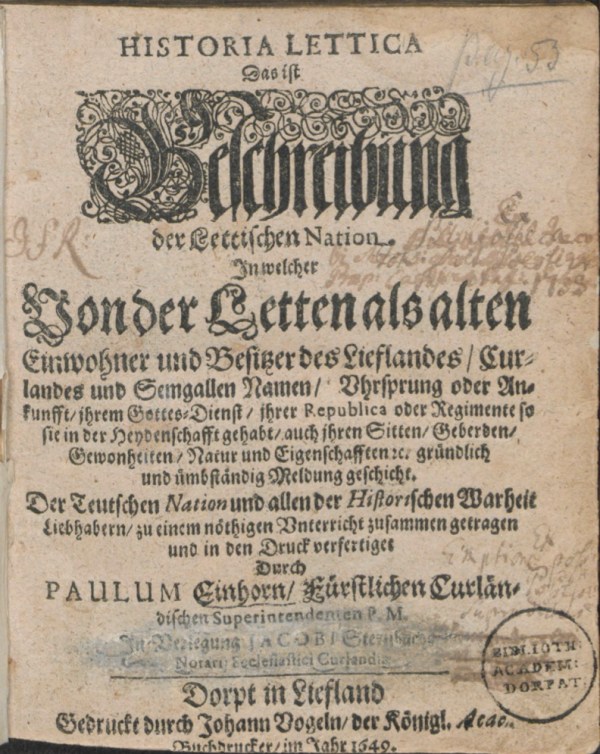
Writers, educators, and thinkers began promoting Estonian language, literature, and identity.
One important figure was
Johann Voldemar Jannsen,
who helped popularize Estonian-language publications.
During this time, Estonian began to move from a rural spoken language to a language of literature and national identity.
Cultural movements encouraged:
-
publication of Estonian-language newspapers
-
development of national literature
-
preservation of folklore and songs
This period laid the foundation for a stronger sense of national consciousness.
Proverbs 22:6
“Train up a child in the way he should go; even when he is old he will not depart from it.”
Language became a key tool in preserving identity.
The First Independence


4
In 1918, following the collapse of the Russian Empire, Estonia declared independence.
For the first time, Estonia became a sovereign nation.
This period allowed Estonian culture, language, and institutions to develop freely.
Ecclesiastes 3:1
“To everything there is a season, and a time for every purpose under heaven.”
However, this independence would not last uninterrupted.
Soviet Occupation and Cultural Pressure


4
In 1940, Estonia was occupied by the Soviet Union.
This marked the beginning of decades of Soviet control.
During this period:
-
political freedoms were restricted
-
many Estonians were deported
-
cultural and national expressions were controlled
Despite these pressures, Estonian identity did not disappear.
Language continued to be spoken. Traditions continued in families. Cultural memory remained alive.
Romans 5:3–4
“Suffering produces perseverance; perseverance, character; and character, hope.”
The Singing Revolution


4
In the late 1980s, a remarkable movement began.
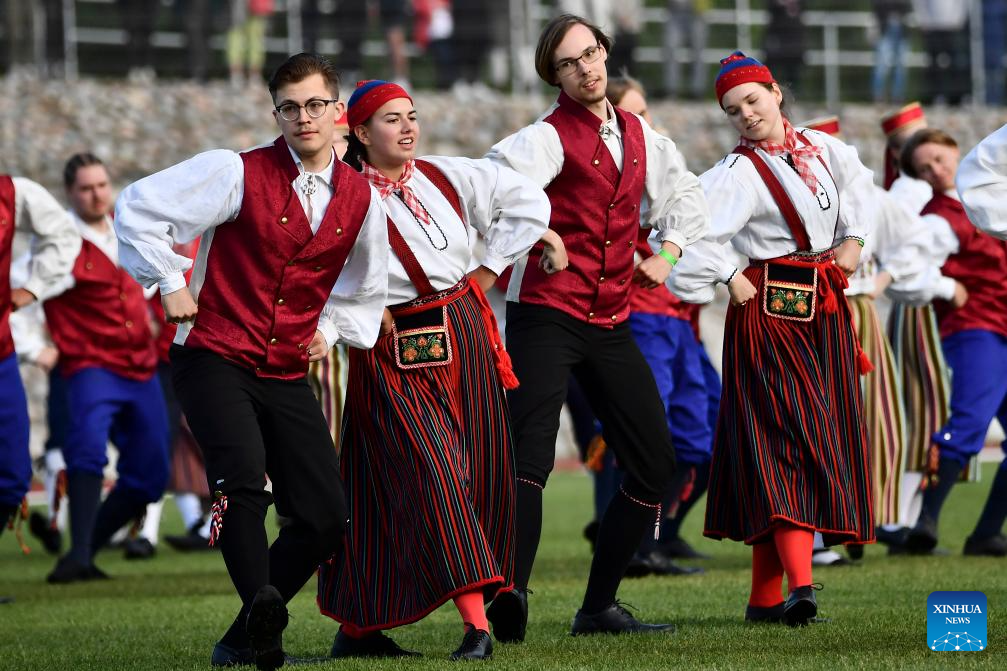
Estonians gathered in massive crowds to sing traditional national songs—songs that had long carried cultural meaning.
These gatherings became peaceful expressions of unity and identity.
This movement became known as the Singing Revolution.
One of the most powerful moments was the Baltic Way, when millions of people formed a human chain across Estonia, Latvia, and Lithuania.
Through peaceful protest and cultural expression, Estonia moved toward independence.
In 1991, Estonia regained its independence.
Estonia Today: A Modern Identity
4
Today, Estonia is known for:
-
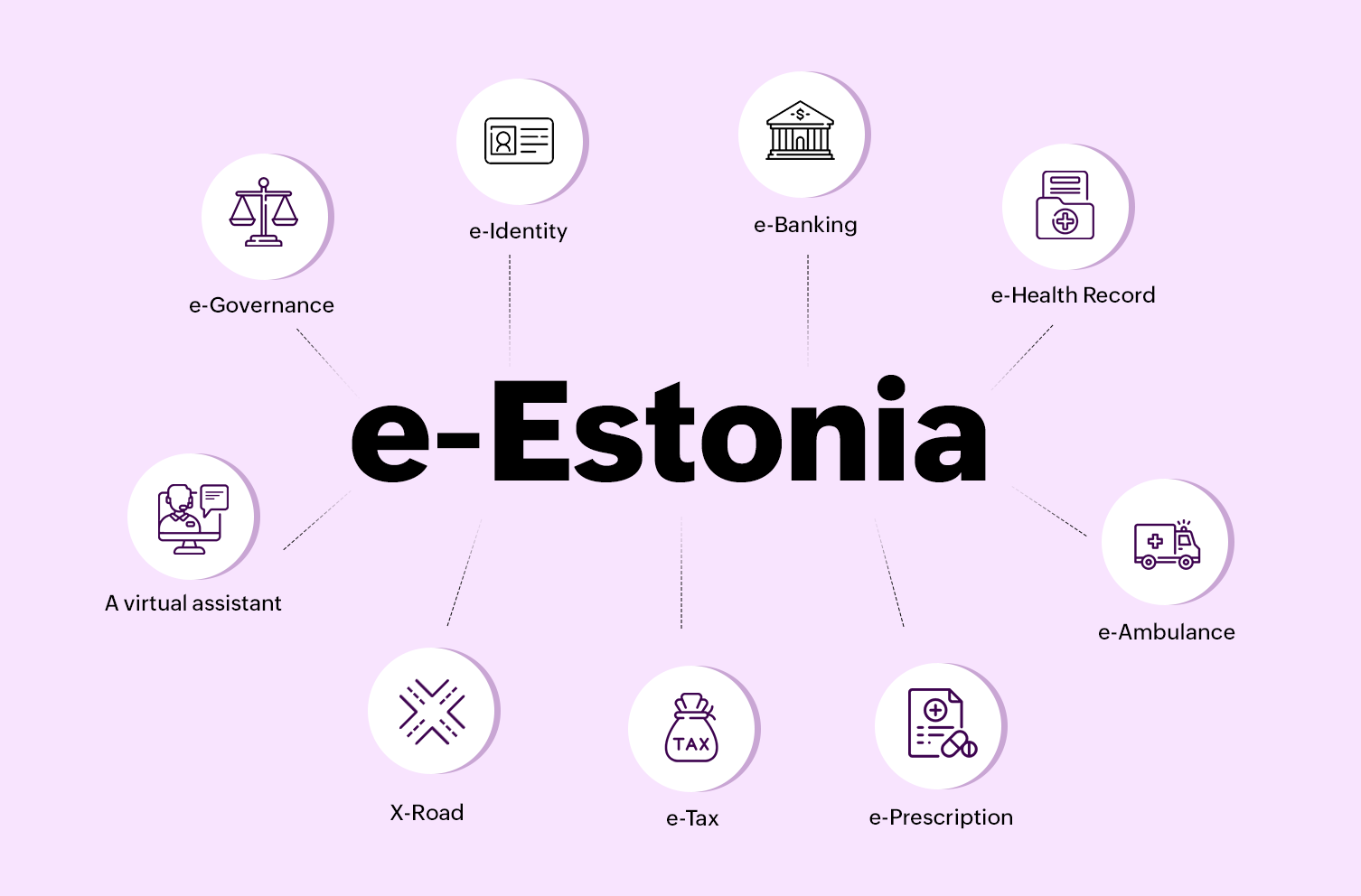
advanced digital society and technology
-
strong national identity
-
preservation of language and traditions
-
cultural events like the Song Festival
Estonia successfully combines modern innovation with deep cultural roots.
Ministry Reflection: Lessons from Estonia
The story of Estonia offers powerful spiritual insights.
Unity Has Power
When people come together in shared purpose, change becomes possible.
Culture Can Be Peaceful Resistance
Identity does not always need force to survive—it can endure through expression.
Hope Can Lead to Restoration
Even long periods of control do not eliminate the possibility of renewal.
Hebrews 11:1
“Faith is confidence in what we hope for and assurance about what we do not see.”
Prayer Points
Prayer for Estonia
Pray for continued strength, unity, and wisdom.
Prayer for Cultural Identity
Pray that language and traditions remain strong.
Prayer for Peaceful Movements
Pray for peaceful solutions in regions facing conflict.
Prayer for Future Generations
Pray that young people will carry forward identity and values.
2 Chronicles 7:14
“If my people, who are called by my name, will humble themselves and pray… then I will hear from heaven.”
The Deeper Lesson
Estonia’s story shows that a nation can survive—and even be restored—through culture and unity.
A nation is not only built through political power, but through:
-
shared language
-
traditions
-
community
-
memory
Sometimes, the most powerful force is not conflict—but a people united in identity.
Coming Next in This Series
Part 8 — Lithuania: The Book Smugglers and the Fight for Language
Lithuania presents one of the most fascinating stories of cultural survival—where preserving books became an act of resistance.
Their story reveals how even the written word can protect a nation’s identity.
Similar Tags
Search
Subscribe
Donate


Your Statistics
For the care and safety of this prayer space, we gently record the time and location of each visit. This helps us protect sincerity while preserving anonymity.
Your Date and Time
IP Addres:
216.73.217.17
System
- OS Linux n
- PHP 8.3.30
- MySQLi 10.6.25-MariaDB-log
- Time 16:13
- Caching Disabled
- Gzip Disabled
- Users 126
- Articles 315
- Articles View Hits 17303
Website Visitors Map
About Greg Loucks
Greg Loucks is a writer, poet, filmmaker, musician, and graphic designer, as well as a creative visionary and faith-driven storyteller working at the intersection of language, meaning, and human connection. Born and raised in Phoenix, Arizona, he has lived in Cincinnati, Ohio; Hot Springs, Arkansas; Williams, Arizona; and Flagstaff, Arizona—each place shaping his perspective, resilience, and creative voice.

Address:
United States of America and Europe
Phone Numbers:
Arizona: (928) 563-GREG (4734)
Tennessee: (615) 899-GREG (4734)
Toll-Free: 888-457-GREG (4734)

Comments