


🖊️ Post


Cultural Survival, 🇬🇷 Greece: Language Older Than Nations
A Series on Cultural Survival


4
Throughout history, some nations have survived through resistance, others through faith, and others through language.
But the story of Greece is one of a civilization whose identity has endured for thousands of years, even through conquest, empire, and transformation.
Greece is not just a country—it is one of the foundational civilizations of the Western world.
Its language, philosophy, and culture have shaped global history.
Yet Greece itself experienced centuries without independence.
Empires rose over it. Foreign rulers governed it. Its political sovereignty disappeared.
But Greek identity did not.
The story of Greece is one of continuity—a culture so deeply rooted that it survived from the ancient world into the modern era.
Ancient Greece: A Civilization That Shaped the World


4
The roots of Greek identity stretch back over 3,000 years.
Ancient Greece was not a single unified state but a collection of city-states such as:
-
Athens
-
Sparta
These societies developed ideas that continue to influence the world today.
Greek contributions included:
-
philosophy (figures like Socrates, Plato, and Aristotle)
-
democracy
-
literature and drama
-
art and architecture
The Greek language became a vehicle for thought, culture, and communication across the Mediterranean.
Ecclesiastes 1:9
“There is nothing new under the sun.”
Many foundational ideas of Western civilization trace back to ancient Greece.
From Empire to Empire


4
Greek independence did not last uninterrupted.
Over time, Greek lands came under the control of powerful empires:
-
The empire of Alexander the Great spread Greek culture across vast regions
-
The Roman Empire incorporated Greece
-
The Byzantine Empire continued Greek cultural and religious traditions
During the Byzantine period, Greek language and Orthodox Christianity became central to identity.
Greek culture did not disappear—it adapted and continued.
Deuteronomy 32:7
“Remember the days of old; consider the generations long past.”
Faith and the Byzantine Legacy


4
The Byzantine era played a crucial role in preserving Greek identity.
The Eastern Orthodox Church became deeply intertwined with Greek culture.
Greek was used in liturgy, theology, and administration.
Monasteries preserved:
-
religious texts
-
classical knowledge
-
artistic traditions
Even as political structures changed, faith and language remained constant.
Psalm 46:1
“God is our refuge and strength, an ever-present help in trouble.”
Ottoman Rule: Centuries Without a State


4
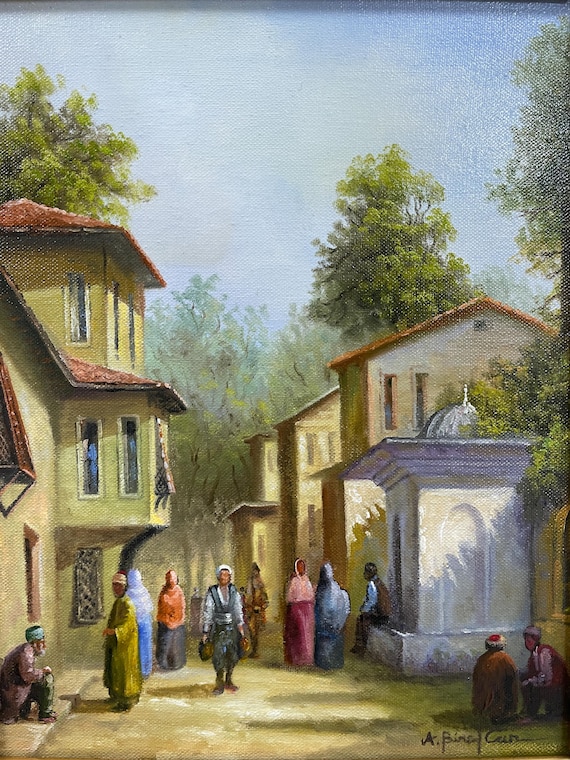
In the 15th century, Greece fell under the control of the Ottoman Empire.
This period lasted for nearly 400 years.
During Ottoman rule:
-
Greece lost political independence
-
Greek populations were governed by Ottoman authorities
-
cultural and religious life continued under restrictions
Yet Greek identity survived.
The Orthodox Church played a central role in preserving language and culture.
Traditions, stories, and faith were passed down through generations.
Romans 5:3–4
“Suffering produces perseverance; perseverance, character; and character, hope.”
Language as a Living Link


4
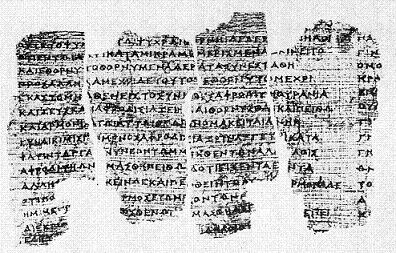
One of the most remarkable aspects of Greek identity is the continuity of its language.
Modern Greek evolved from ancient Greek, maintaining a connection across thousands of years.
While the language changed over time, it remained a continuous thread linking past and present.
This continuity allowed Greeks to remain connected to their ancient heritage even during periods of foreign rule.
Proverbs 22:6
“Train up a child in the way he should go; even when he is old he will not depart from it.”
Language preserved memory.
The Greek War of Independence

4
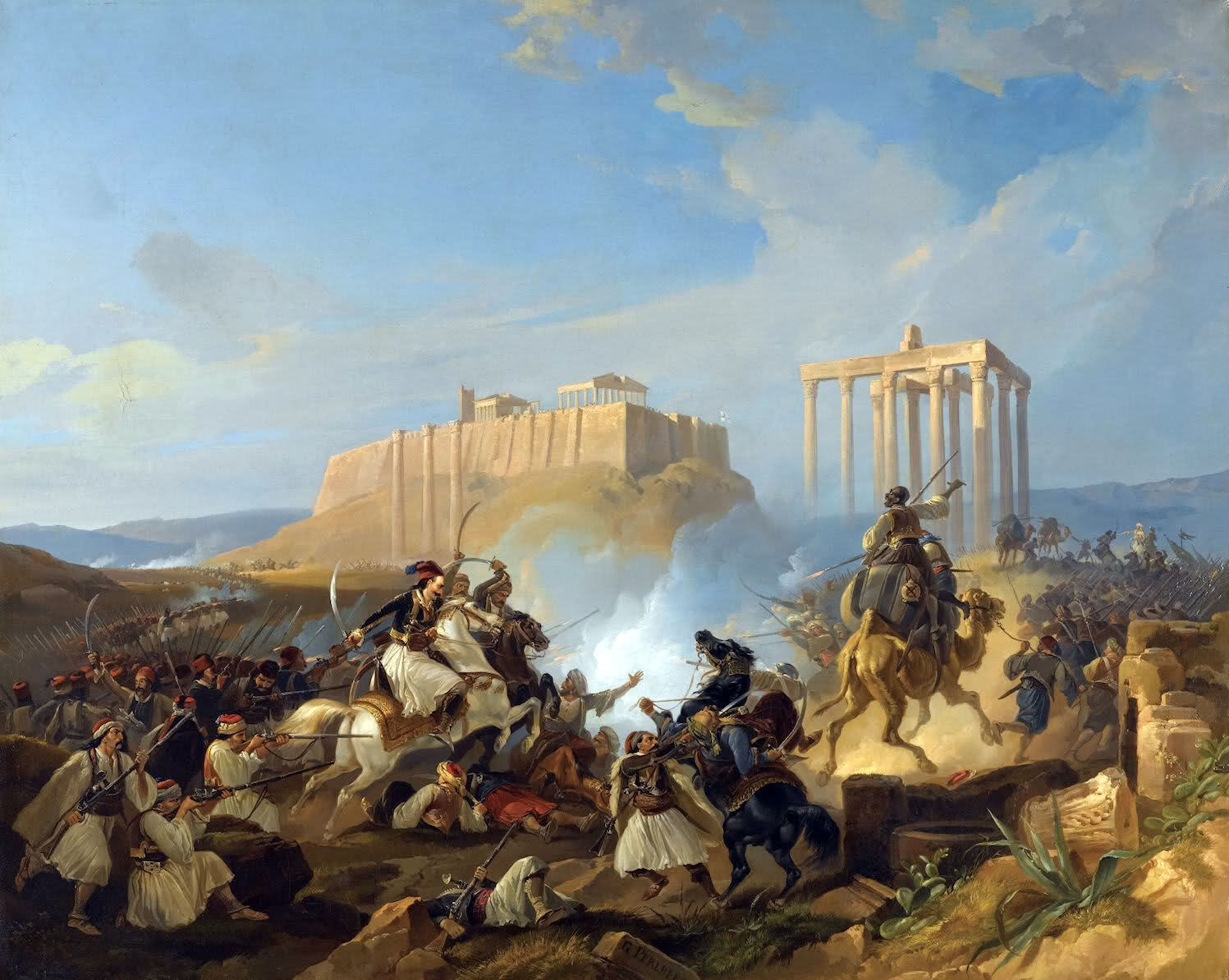
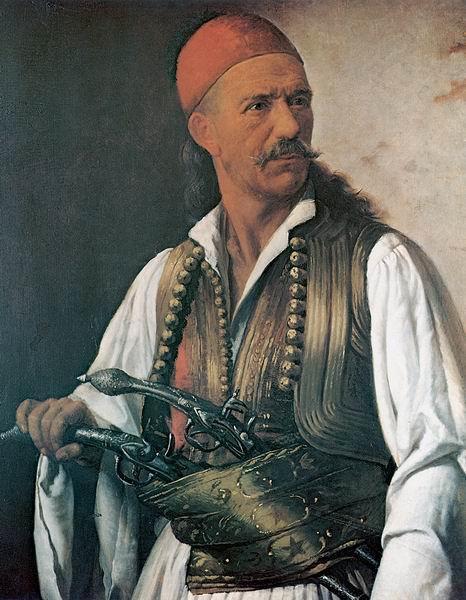
In the early 19th century, a movement for independence began.
The Greek War of Independence marked the beginning of a successful struggle to restore sovereignty.
After years of conflict, Greece emerged as an independent nation.
Ecclesiastes 3:1
“To everything there is a season, and a time for every purpose under heaven.”
After centuries without independence, Greece returned as a sovereign state.
Greece Today: Ancient Identity, Modern Nation


4
Today, Greece continues to express its identity through:
-
language
-
Orthodox Christian traditions
-
cultural heritage
-
historical memory
Modern Greece remains deeply connected to its ancient past.
Ministry Reflection: Lessons from Greece
The story of Greece offers powerful spiritual insights.
Continuity Builds Strength
A culture rooted deeply in history can endure through centuries of change.
Faith Preserves Identity
The Orthodox Church helped sustain Greek culture during foreign rule.
Language Connects Generations
Language creates a bridge between past and present.
Hebrews 11:1
“Faith is confidence in what we hope for and assurance about what we do not see.”
Prayer Points
Prayer for Greece
Pray for continued strength, unity, and cultural preservation.
Prayer for Faith Communities
Pray for spiritual renewal and growth.
Prayer for Cultural Heritage
Pray that ancient traditions and history will be preserved.
Prayer for Future Generations
Pray that identity and values will continue to be passed down.
2 Chronicles 7:14
“If my people, who are called by my name, will humble themselves and pray… then I will hear from heaven.”
The Deeper Lesson
Greece’s story shows that a nation can endure for millennia through continuity.
A nation lives through:
-
language
-
faith
-
memory
-
tradition
Even when political control is lost, identity can remain strong.
Coming Next in This Series
Part 12 — Ethiopia: The African Kingdom That Survived Empire
Ethiopia offers a powerful story of survival, where one of the world’s oldest Christian civilizations endured while resisting colonization.
Its story reveals how faith, geography, and history can protect a nation’s identity.
Similar Tags
Search
Subscribe
Donate


Your Statistics
For the care and safety of this prayer space, we gently record the time and location of each visit. This helps us protect sincerity while preserving anonymity.
Your Date and Time
IP Addres:
216.73.217.100
System
- OS Linux r
- PHP 8.3.31
- MySQLi 10.11.18-MariaDB
- Time 10:59
- Caching Disabled
- Gzip Disabled
- Users 442
- Articles 314
- Articles View Hits 38663
Website Visitors Map
About Greg Loucks
Greg Loucks is a writer, poet, filmmaker, musician, and graphic designer, as well as a creative visionary and faith-driven storyteller working at the intersection of language, meaning, and human connection. Born and raised in Phoenix, Arizona, he has lived in Cincinnati, Ohio; Hot Springs, Arkansas; Williams, Arizona; and Flagstaff, Arizona—each place shaping his perspective, resilience, and creative voice.

Address:
United States of America and Europe
Phone Numbers:
Arizona: (928) 563-GREG (4734)
Tennessee: (615) 899-GREG (4734)
Toll-Free: 888-457-GREG (4734)

Comments