



🖊️ Post


Nations That Refuse to Die: Introduction to the Country Culture Survival Series


4
There are stories in history that most people never fully stop to think about.
Maps change.
Borders shift.
Empires rise—and fall.
But something deeper often remains.
This series, “Nations That Refuse to Die,” is about that deeper reality.
It is about cultures, peoples, and identities that endured—even when everything around them said they shouldn’t.
Why This Series Exists
We are taught to think of countries as lines on a map.
But history tells a different story.
A country can disappear politically…
and yet still exist culturally.
A people can lose their government…
but not lose who they are.
This series was born out of one simple but powerful observation:
👉 Some nations refuse to die.
Not because they are powerful.
Not because they are large.
But because their identity lives somewhere deeper than politics.
What This Series Will Explore

4
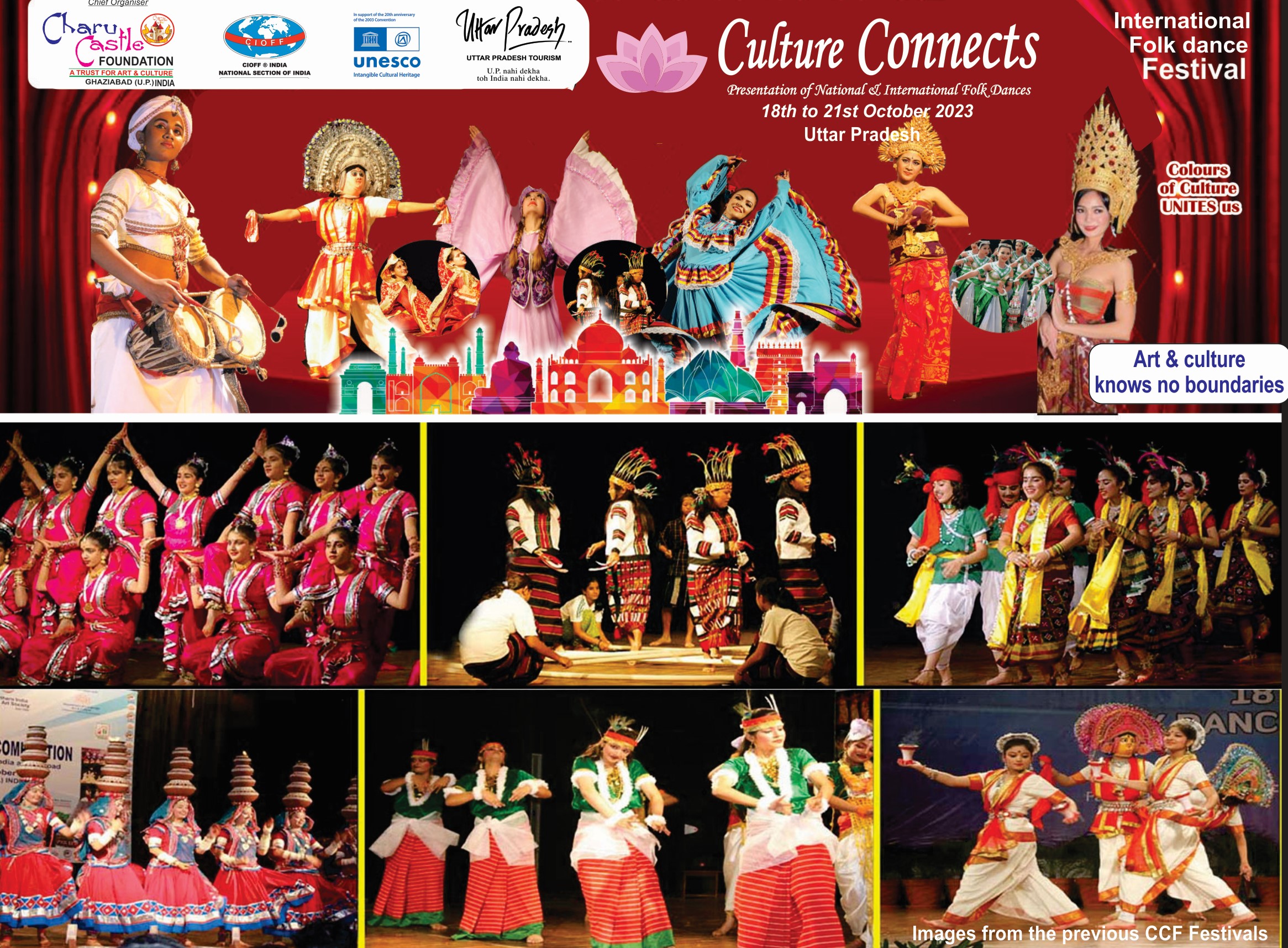
Across this series, we will explore nations and peoples from around the world who endured:
-
conquest
-
occupation
-
exile
-
division
-
cultural pressure
-
even attempted erasure
Some disappeared from the map entirely—like Poland for over a century.
Some were divided—like Korea.
Some survived genocide—like Cambodia.
Some exist without full recognition—like Taiwan.
Some never had a state at all—like the Rusyn people.
And yet—all of them endured.
The Questions We’re Asking
This series is not just about history.
It’s about understanding something deeper.
Each part will explore questions like:
-
What actually keeps a nation alive?
-
Is it government—or something more?
-
What role do language, faith, and tradition play?
-
Why do some cultures disappear… while others survive?
-
What happens when identity is tested over generations?
These are not just academic questions.
They are questions about human resilience.
The Pattern You’ll Begin to See
As this series unfolds, a pattern will emerge.
You’ll begin to notice that nations tend to survive when certain things remain:
-
Language — spoken in homes even when banned
-
Faith — practiced even when restricted
-
Tradition — passed down quietly across generations
-
Memory — stories that refuse to be forgotten
When these remain intact—
identity survives.
Why This Matters Today


4
This is not just about the past.
In today’s world:
-
cultures are still under pressure
-
identities are still being challenged
-
nations are still being reshaped
Understanding how identity survives helps us understand:
-
people
-
conflict
-
resilience
-
and even the future
What This Series Is Really About
At its core, this series is about one truth:
👉 A nation is more than a place.
It is:
-
a people
-
a memory
-
a culture
-
a shared identity
And sometimes—
even when everything else is taken away—
that identity remains.
Where We Begin
The first part of this series begins with one of the most powerful examples in history:
For 123 years, the nation of Poland did not exist on the map.
And yet—
it never disappeared.
Final Thought Before We Begin
Before you read the first part, hold onto this idea:
Empires can erase borders.
Governments can fall.
But when identity is carried in the hearts of the people—
a nation can outlive everything that tries to destroy it.
Nations That Refuse to Die
Introduction to the Country Culture Survival Series
Throughout history, political maps have constantly changed. Borders move, empires rise and fall, and entire countries sometimes vanish from existence.
But something remarkable happens in some places: the nation survives even when the state disappears.
This series explores one of the most powerful forces in human history — cultural survival.
A country can be conquered.
A government can collapse.
Borders can be erased.
Yet a people may still endure through language, faith, traditions, memory, and shared identity.
History shows us that nations are more than political boundaries. They are living cultures carried in the hearts of the people who belong to them.
When Nations Disappear
Throughout history, powerful empires have often tried to erase weaker neighbors. Sometimes they succeeded politically by eliminating states and dividing their territory.
But eliminating a country on a map does not always eliminate the people who remember it.
Many rulers throughout history have attempted to destroy national identity by:
-
banning native languages
-
suppressing religion
-
rewriting history
-
destroying cultural institutions
-
replacing local populations
Sometimes these efforts worked.
Other times, something deeper proved stronger than conquest.
The Power of Cultural Identity
Cultural identity can survive in ways that political systems cannot.
It can be preserved through:
-
family traditions
-
religion and shared faith
-
literature and music
-
stories passed down through generations
-
education and underground movements
When these cultural pillars remain strong, a nation can survive even without independence.
In some cases, entire generations grow up without a country of their own—yet still believe it will return.
And sometimes, against all odds, it does.
What This Series Explores
This series will examine countries and cultures that faced attempts at erasure yet managed to survive.
Some were occupied for decades.
Some for centuries.
Some disappeared completely from the map before returning.
But not all of them are from the same region or background.
While some examples will come from Eastern Europe, others will come from entirely different parts of the world. The common theme is not geography — it is resilience.
Each article will explore questions like:
-
How did the culture survive when the state did not?
-
What role did religion, language, and art play?
-
Why did some nations disappear permanently while others returned?
-
What lessons can modern societies learn from these stories?
These are not just historical curiosities.
They are examples of how identity, belief, and shared memory can outlast even the most powerful empires.
The First Story: Poland
The first article in this series begins with one of the most remarkable examples in history.
For 123 years, the nation of Poland did not exist as an independent state.
From 1795 to 1918 it was divided between the empires of Russia, Prussia, and Austria.
Its language was banned.
Its political institutions were destroyed.
Its land was ruled by foreign powers.
Yet the Polish nation survived — and eventually returned to the map.
The story of Poland shows how culture can keep a nation alive even when its government is gone.
Looking Ahead
Future parts of this series will explore other examples of cultural endurance, including:
-
Ukraine — a nation whose identity has survived centuries of imperial control
-
Armenia — a culture that endured despite genocide and diaspora
-
Ireland — language, religion, and identity under colonial rule
-
Israel — the rebirth of a nation after nearly two millennia
-
Tibet — a culture struggling to survive under modern political control
Each story will reveal different ways cultures resist disappearance.
A Deeper Question
At the heart of this series lies a deeper question:
What truly defines a nation?
Is it borders and governments?
Or is it something deeper — a shared identity that survives even when the state itself is gone?
History suggests the answer may be both.
And sometimes, when the time is right, the map eventually catches up with the culture.
Similar Tags
Search
Subscribe
Donate


Your Statistics
For the care and safety of this prayer space, we gently record the time and location of each visit. This helps us protect sincerity while preserving anonymity.
Your Date and Time
IP Addres:
216.73.217.84
System
- OS Linux n
- PHP 8.3.30
- MySQLi 10.6.25-MariaDB
- Time 10:23
- Caching Disabled
- Gzip Disabled
- Users 246
- Articles 315
- Articles View Hits 24271
Website Visitors Map
About Greg Loucks
Greg Loucks is a writer, poet, filmmaker, musician, and graphic designer, as well as a creative visionary and faith-driven storyteller working at the intersection of language, meaning, and human connection. Born and raised in Phoenix, Arizona, he has lived in Cincinnati, Ohio; Hot Springs, Arkansas; Williams, Arizona; and Flagstaff, Arizona—each place shaping his perspective, resilience, and creative voice.

Address:
United States of America and Europe
Phone Numbers:
Arizona: (928) 563-GREG (4734)
Tennessee: (615) 899-GREG (4734)
Toll-Free: 888-457-GREG (4734)

Comments