



🖊️ Post


Cultural Survival, 🇦🇲 Armenia: Faith, Survival, and Identity
A Series on Cultural Survival


4
Throughout history, some nations have endured extraordinary hardship yet preserved their identity across centuries. Political borders have shifted, empires have risen and fallen, and entire populations have been scattered across the world.
Yet certain cultures survive.
Few examples illustrate this resilience more clearly than Armenia.
Armenia sits at a historic crossroads between Europe and Asia. For thousands of years its land has been a meeting place of civilizations, trade routes, and competing empires.
Because of this location, Armenians experienced repeated invasions, foreign rule, and even attempts at cultural destruction. Yet despite these pressures, Armenian identity survived through language, faith, family traditions, and diaspora communities around the world.
The story of Armenia is therefore not just about suffering. It is about faith, endurance, and the survival of a people determined to remember who they are.
One of the World’s Oldest Nations


4
The roots of Armenian civilization stretch back thousands of years.
The Armenian Highlands, a mountainous region between the Black Sea and the Caspian Sea, have been inhabited since ancient times. One of the earliest states in the region was the kingdom of Urartu, which flourished in the 9th–6th centuries BC.
Later, the Kingdom of Armenia emerged as a powerful regional state.
At its greatest extent during the reign of Tigranes the Great in the first century BC, Armenia became one of the largest empires in the region, stretching from the Mediterranean Sea toward the Caspian.
Though that empire eventually declined, Armenian identity remained rooted in the land and its people.
Deuteronomy 32:7
“Remember the days of old; consider the generations long past.”
For Armenians, history and memory became central pillars of cultural survival.
The First Christian Nation


4
One of the most defining moments in Armenian history occurred in the year 301 AD.
Armenia became the first nation in the world to adopt Christianity as a state religion.
This transformation occurred under King Tiridates III, influenced by the missionary work of Gregory the Illuminator.
Christianity soon became deeply intertwined with Armenian identity.
The national church, the Armenian Apostolic Church, played a central role in preserving Armenian culture.
Churches, monasteries, and religious manuscripts helped safeguard language and faith during centuries of foreign rule.
Psalm 46:1
“God is our refuge and strength, an ever-present help in trouble.”
Faith did not simply shape Armenian religion—it shaped Armenian identity itself.
Language and Alphabet: A Cultural Anchor


4
Another key moment in Armenian cultural history occurred in the early 5th century.
Scholar and monk Mesrop Mashtots developed the Armenian alphabet around the year 405 AD.
This achievement had enormous cultural significance.
For the first time, Armenian religious texts and literature could be written in the Armenian language.
The translation of the Bible into Armenian soon followed, helping spread literacy and theological learning.
Monasteries became centers of scholarship where manuscripts were copied and preserved.
Proverbs 22:6
“Train up a child in the way he should go; even when he is old he will not depart from it.”
Through education, faith, and written language, Armenian identity became deeply rooted in cultural memory.
Armenia Between Empires


4
Because of its strategic location, Armenia frequently became a battleground between powerful neighboring empires.
Over the centuries Armenian territories were controlled by several major powers, including:
-
Byzantine Empire
-
Persian Empire
-
Ottoman Empire
-
Russian Empire
Despite repeated changes in political authority, Armenian culture endured.
Village life, religious traditions, and family structures continued to preserve identity.
Churches and monasteries remained key cultural institutions.
The Armenian Genocide


4
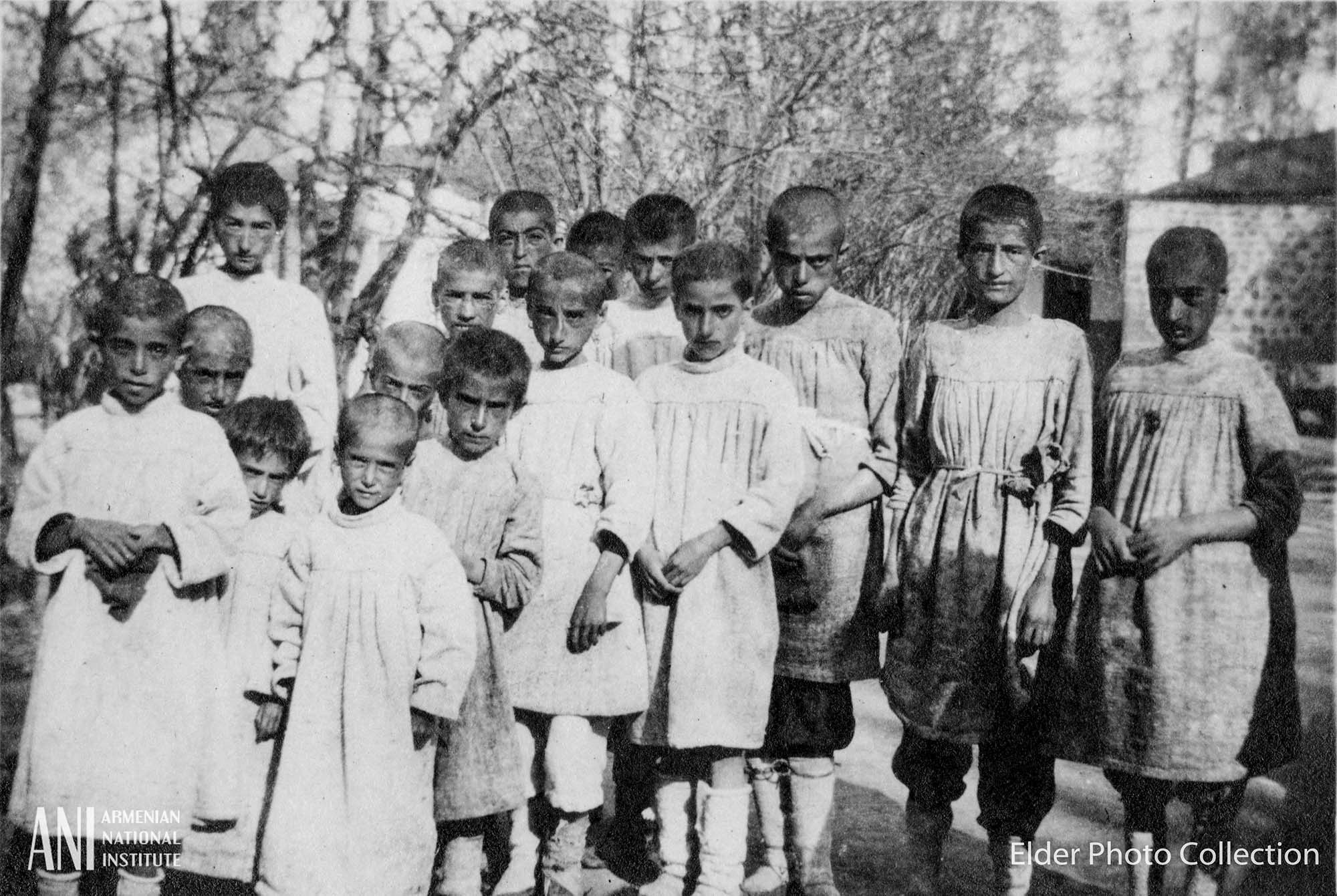
One of the darkest chapters in Armenian history occurred during Armenian Genocide.
During the final years of the Ottoman Empire, large numbers of Armenians living in Ottoman territories were deported and killed.
Historians estimate that around 1 to 1.5 million Armenians died during this period.
Entire communities were destroyed, and survivors were forced to flee their ancestral lands.
The tragedy reshaped Armenian history and created a vast global diaspora.
Psalm 34:18
“The Lord is close to the brokenhearted and saves those who are crushed in spirit.”
Despite immense loss, Armenian communities around the world continued to preserve their culture, language, and faith.
The Armenian Diaspora

4
Following the genocide, Armenians settled in many countries around the world.
Large Armenian communities developed in places such as:
-
Los Angeles
-
Paris
-
Beirut
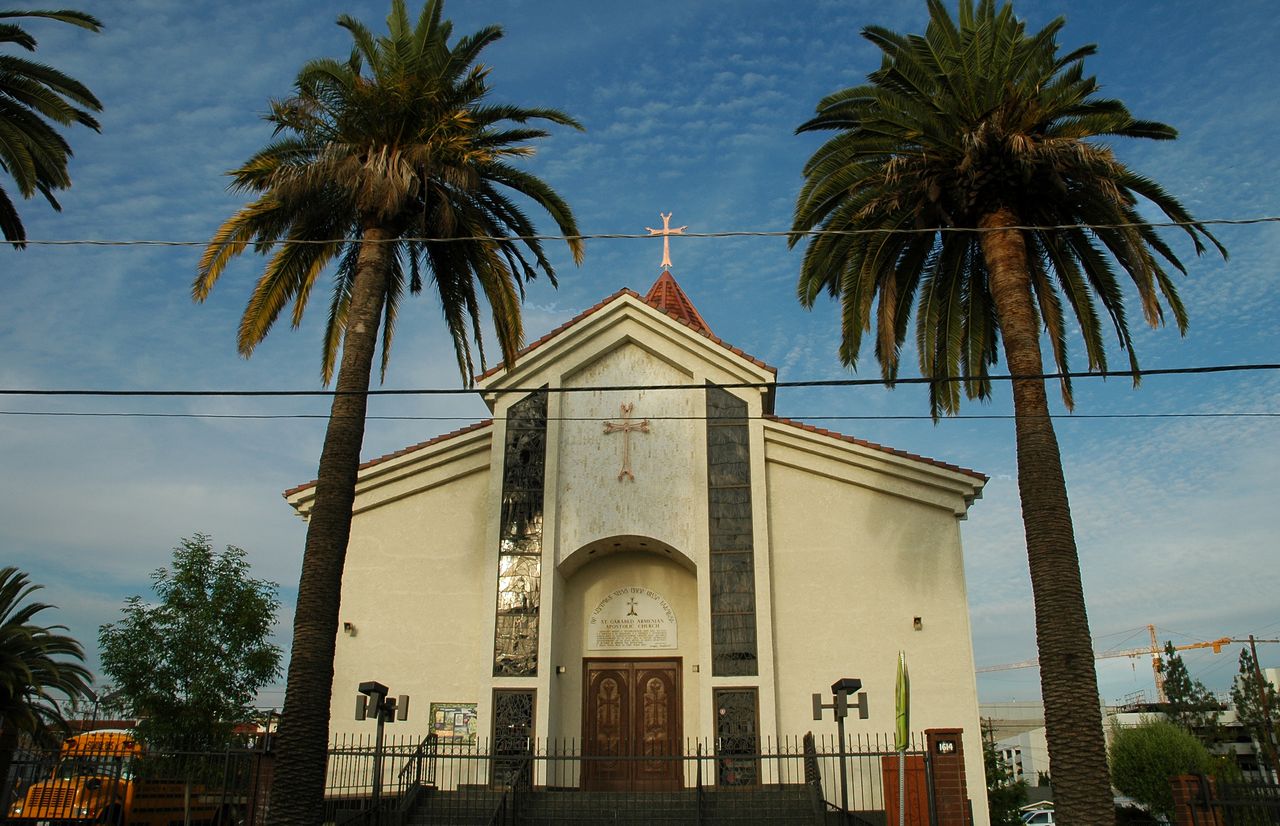
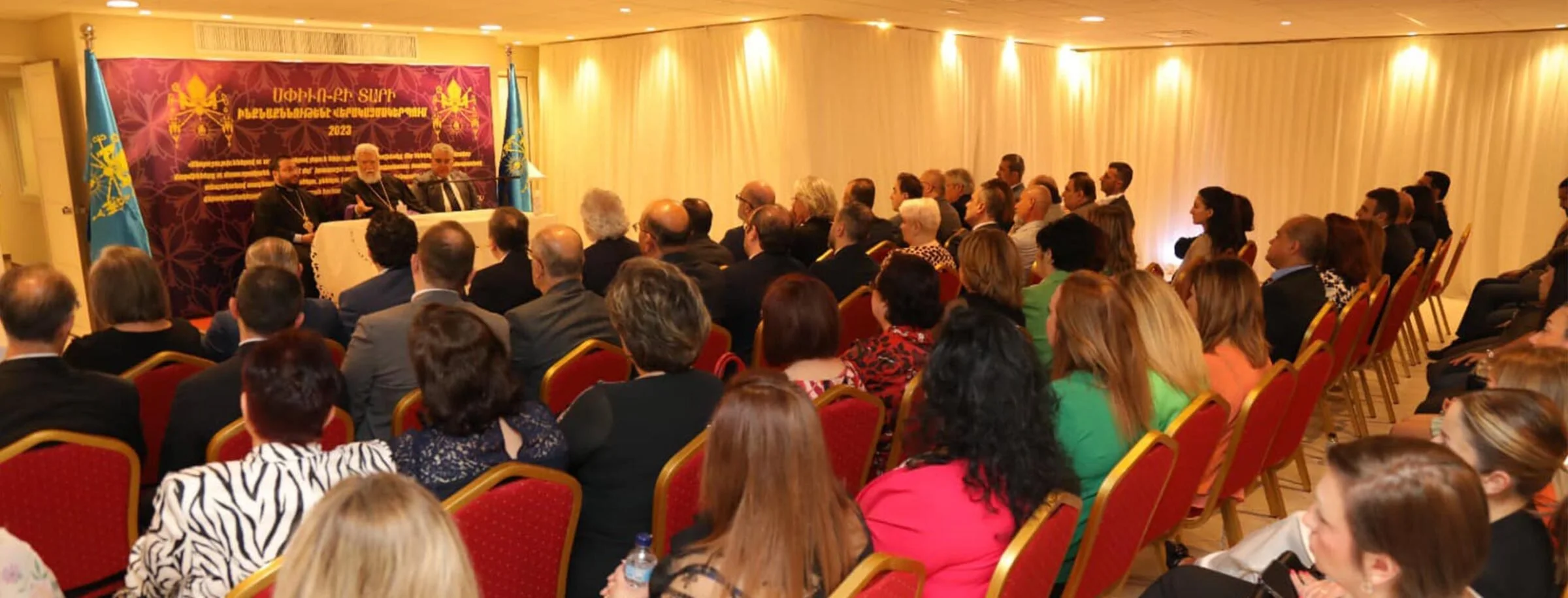
These diaspora communities established churches, schools, and cultural organizations.
Through these institutions they preserved Armenian language, traditions, and religious identity.
Even far from their ancestral homeland, Armenians maintained a strong connection to their heritage.
Modern Armenia


4
Today, the modern Republic of Armenia continues to develop its cultural and national life.
The capital city Yerevan is one of the oldest continuously inhabited cities in the world.
Armenian culture continues to be expressed through:
-
traditional music
-
literature and poetry
-
religious celebrations
-
historic monasteries
-
the Armenian language and alphabet
These cultural elements connect modern Armenians with thousands of years of history.
Ministry Reflection: Lessons from Armenia
The Armenian story offers powerful spiritual lessons.
Faith Preserves Identity
For centuries the Armenian church helped sustain national identity during foreign rule.
Language Protects Culture
The Armenian alphabet allowed generations to preserve literature, theology, and history.
Memory Strengthens Community
Shared history—even painful history—can strengthen a people’s determination to endure.
Romans 5:3–4
“Suffering produces perseverance; perseverance, character; and character, hope.”
Prayer Points
Prayer for Armenia
Pray for peace, stability, and continued cultural renewal for the people of Armenia.
Prayer for the Armenian Diaspora
Pray that Armenian communities around the world will continue preserving their heritage and faith.
Prayer for Healing
Pray for healing from historical trauma and reconciliation among nations.
Prayer for Cultural Preservation
Pray that languages, traditions, and historic faith communities around the world will remain strong.
2 Chronicles 7:14
“If my people, who are called by my name, will humble themselves and pray… then I will hear from heaven.”
The Deeper Lesson
The history of Armenia demonstrates that a nation is more than a political state.
A nation also exists in:
-
language
-
faith
-
culture
-
memory
-
community
These elements can survive even when borders shift and empires fall.
For centuries Armenians carried their identity through faith, family, and cultural traditions.
Today that identity continues to connect Armenians across the world.
Coming Next in This Series
The next article explores another remarkable story of cultural survival.
Part 4 — Ireland: Faith, Language, and Identity Under Empire
Ireland experienced centuries of political domination yet preserved its cultural traditions, language, and faith.
Its story offers another powerful example of how identity can endure even under immense pressure.
Similar Tags
Search
Subscribe
Donate


Your Statistics
For the care and safety of this prayer space, we gently record the time and location of each visit. This helps us protect sincerity while preserving anonymity.
Your Date and Time
IP Addres:
216.73.217.17
System
- OS Linux n
- PHP 8.3.30
- MySQLi 10.6.25-MariaDB-log
- Time 17:54
- Caching Disabled
- Gzip Disabled
- Users 126
- Articles 315
- Articles View Hits 17317
Website Visitors Map
About Greg Loucks
Greg Loucks is a writer, poet, filmmaker, musician, and graphic designer, as well as a creative visionary and faith-driven storyteller working at the intersection of language, meaning, and human connection. Born and raised in Phoenix, Arizona, he has lived in Cincinnati, Ohio; Hot Springs, Arkansas; Williams, Arizona; and Flagstaff, Arizona—each place shaping his perspective, resilience, and creative voice.

Address:
United States of America and Europe
Phone Numbers:
Arizona: (928) 563-GREG (4734)
Tennessee: (615) 899-GREG (4734)
Toll-Free: 888-457-GREG (4734)

Comments