A Series on Cultural Survival
Throughout history, some nations survived by resisting conquest, others through language or diaspora.
But the story of Georgia is one of survival through faith, geography, and identity at the crossroads of empires.
Located between Europe and Asia, Georgia has long stood at a strategic and cultural intersection. Because of this, it has faced repeated invasions, occupations, and political pressures from powerful neighbors.
Yet Georgia endured.
Its language remained unique. Its culture persisted. Its faith became a defining force.
The story of Georgia is one of a people who, despite centuries of external pressure, preserved a distinct identity rooted in ancient tradition and unwavering belief.
Ancient Kingdoms and Early Identity
The history of Georgia stretches back to ancient times.
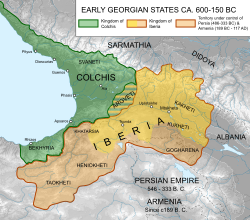
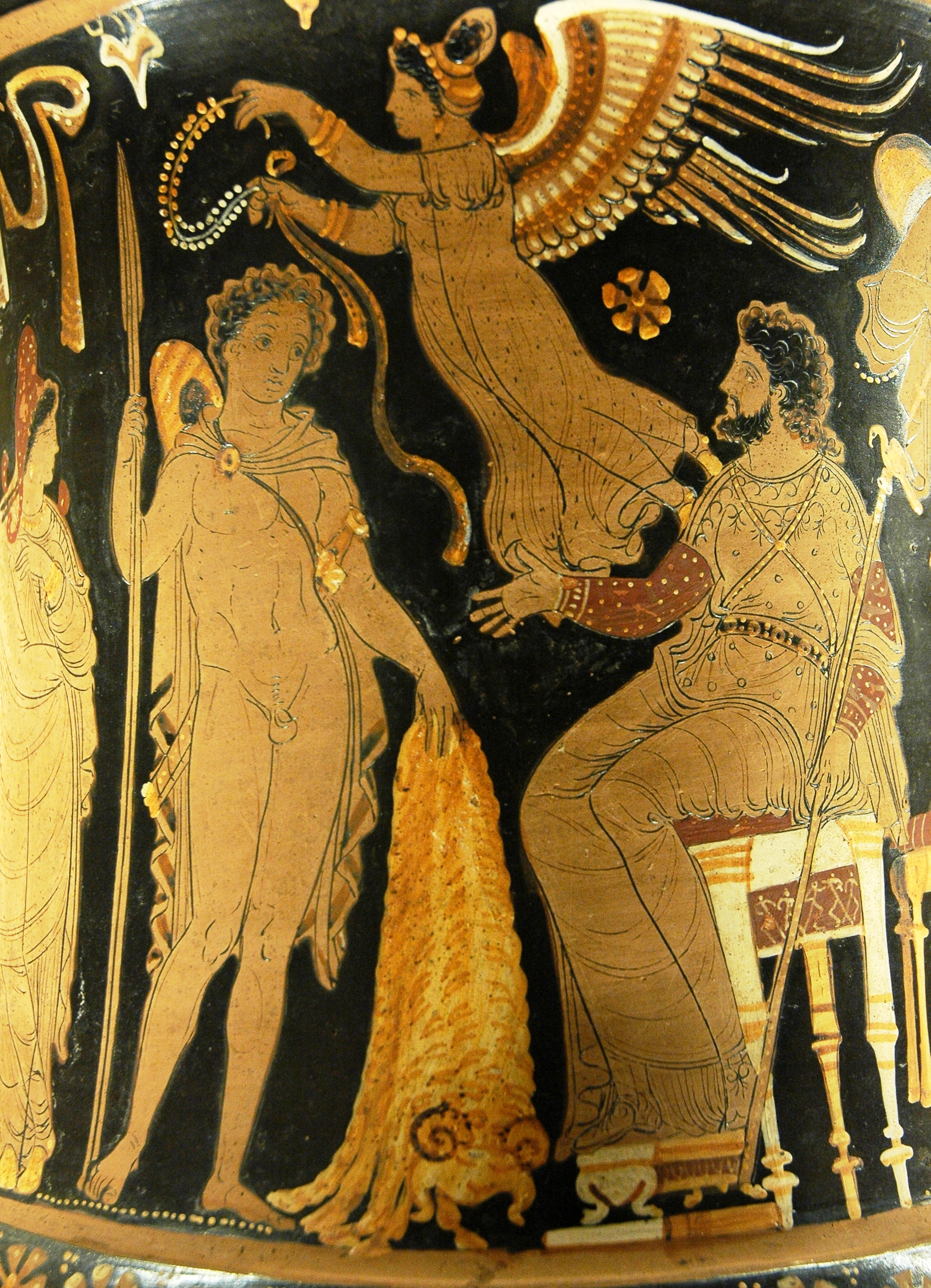
Early Georgian states included the kingdoms of Iberia (in eastern Georgia) and Colchis (in the west), the latter famously associated with Greek mythology and the legend of the Golden Fleece.
These early kingdoms developed distinct cultural traditions, languages, and political systems.
The rugged geography of the Caucasus Mountains helped protect local populations and contributed to the development of a strong regional identity.
Psalm 24:1
“The earth is the Lord’s, and everything in it.”
Connection to land and history became foundational to Georgian identity.
One of the Earliest Christian Nations
Georgia became one of the earliest nations to adopt Christianity as a state religion in the early 4th century.
This transformation is closely associated with
Saint Nino,
whose ministry played a key role in spreading the faith.
Christianity became central to Georgian identity, shaping:
-
culture
-
art
-
literature
-
national unity
The Georgian Orthodox Church became one of the most important institutions in preserving national identity.
Psalm 46:1
“God is our refuge and strength, an ever-present help in trouble.”
Faith became both a spiritual and cultural anchor.
The Golden Age and Cultural Flourishing
Between the 11th and 13th centuries, Georgia experienced a period often referred to as its Golden Age.
Under rulers such as
Queen Tamar,
Georgia became a powerful and prosperous kingdom.
During this time:
Monasteries such as Gelati became centers of learning and culture.
This period helped solidify a strong sense of Georgian identity that would endure even through later hardships.
Invasions and Survival
Following its Golden Age, Georgia faced centuries of invasion and fragmentation.
Various powers sought control over the region, including:
-
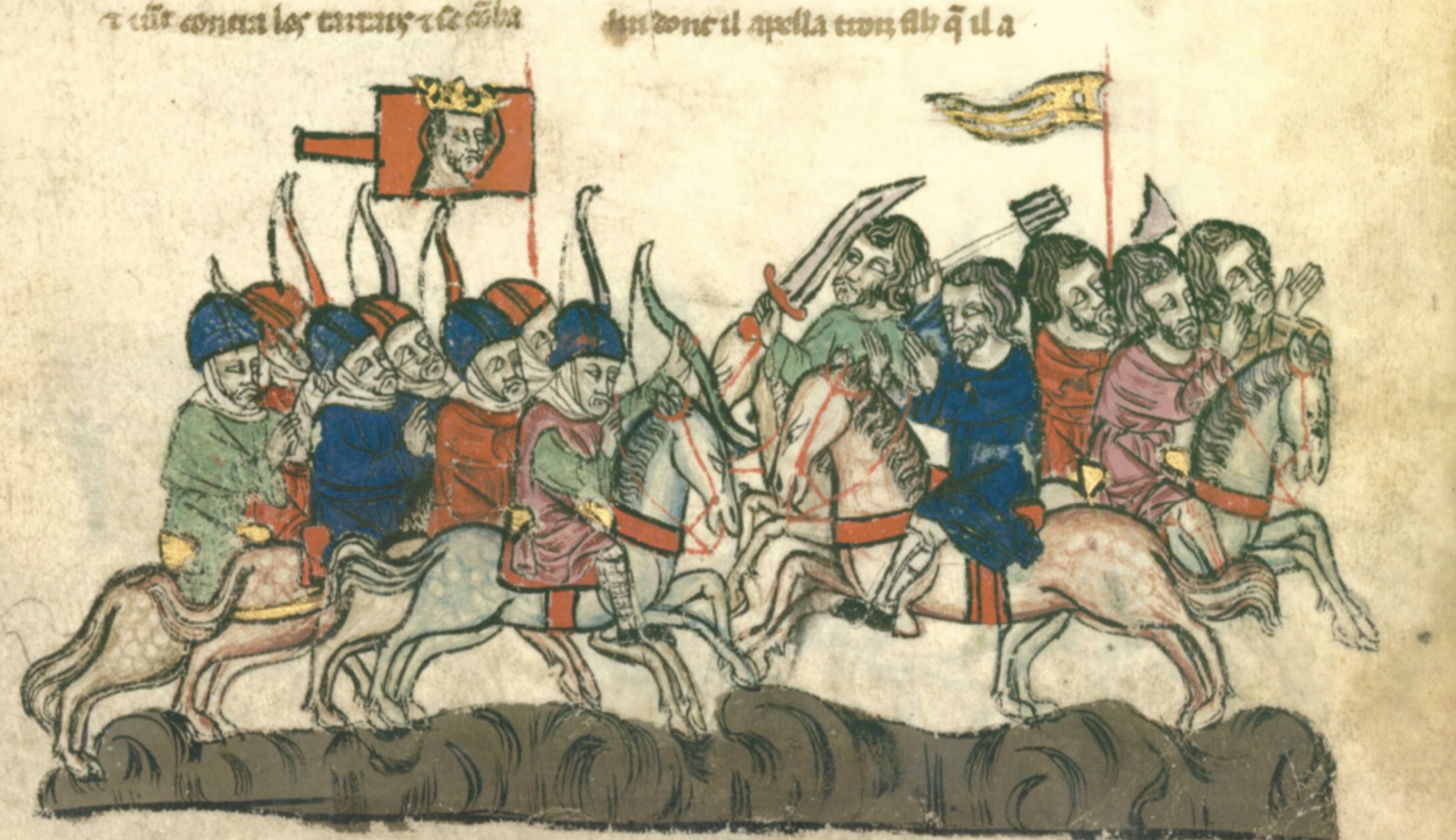
Mongol Empire
-
Persian Empire
-
Ottoman Empire
These invasions brought destruction, political instability, and division.
Yet Georgian culture endured.
Language, faith, and traditions continued among the people even when political structures weakened.
Romans 5:3–4
“Suffering produces perseverance; perseverance, character; and character, hope.”
Under the Russian Empire
In the early 19th century, Georgia was annexed by the Russian Empire.
Under Russian rule:
-
Georgian political independence ended
-
efforts were made to integrate Georgia into the empire
-
aspects of Georgian culture and church life faced pressure
Despite these challenges, Georgian identity remained strong.
The Georgian language continued to be used, and the church remained an important cultural institution.
A Brief Independence
In 1918, following the collapse of the Russian Empire, Georgia declared independence.
The Democratic Republic of Georgia marked a brief period of sovereignty.
However, this independence was short-lived.
Soviet Rule and Cultural Pressure
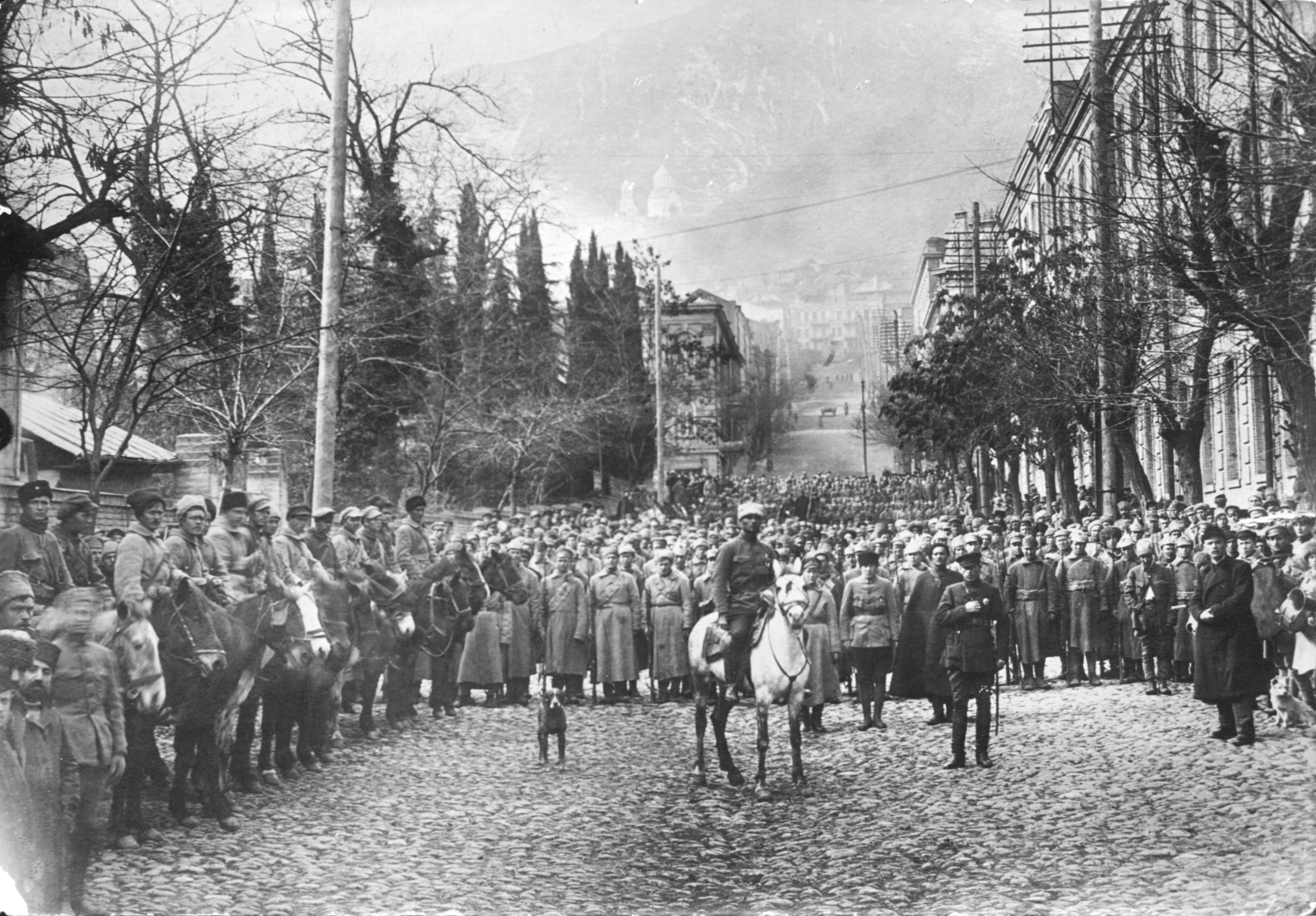
In 1921, Georgia was incorporated into the Soviet Union.
During Soviet rule:
-
political freedoms were limited
-
religious institutions were restricted
-
cultural expression was monitored
Despite these pressures, Georgian identity endured.
Language, traditions, and cultural memory remained strong among the people.
Independence Restored
In 1991, following the collapse of the Soviet Union, Georgia regained independence.
This marked the beginning of a new chapter in Georgian history.
Ecclesiastes 3:1
“To everything there is a season, and a time for every purpose under heaven.”
Georgia Today: Identity Preserved
Today, Georgia continues to preserve its identity through:
-
its unique language and alphabet
-
strong religious traditions
-
cultural practices such as the supra (traditional feast)
-
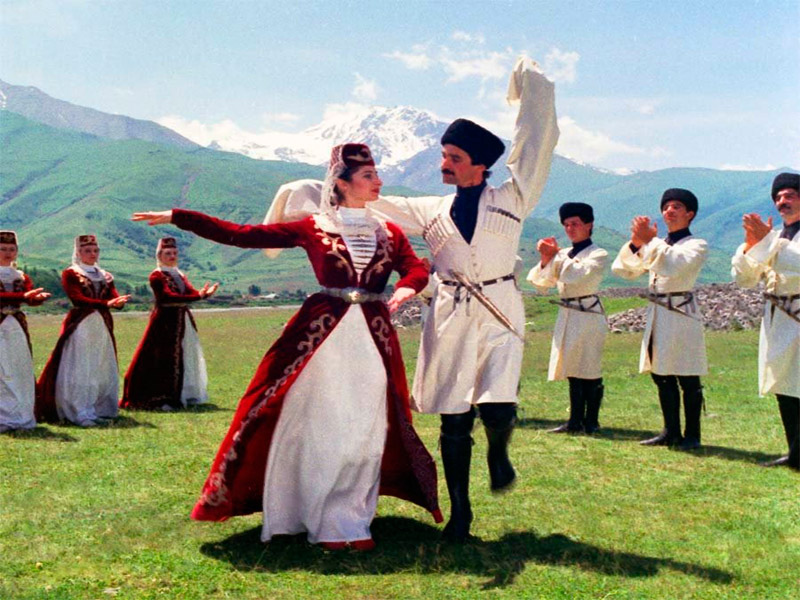
music, dance, and storytelling
Georgia’s identity remains deeply connected to its history and faith.
Ministry Reflection: Lessons from Georgia
The story of Georgia offers powerful spiritual insights.
Faith Anchors Identity
The Georgian church played a central role in preserving culture.
Geography Shapes Resilience
Living at a crossroads of empires required adaptability and strength.
Identity Can Endure Through Adversity
Despite centuries of invasion, Georgian identity remained intact.
Hebrews 11:1
“Faith is confidence in what we hope for and assurance about what we do not see.”
Prayer Points
Prayer for Georgia
Pray for peace, stability, and continued cultural strength.
Prayer for Faith Communities
Pray that churches and spiritual life remain strong.
Prayer for Unity
Pray for unity within the nation.
Prayer for Nations at Crossroads
Pray for countries facing geopolitical pressure.
2 Chronicles 7:14
“If my people, who are called by my name, will humble themselves and pray… then I will hear from heaven.”
The Deeper Lesson
Georgia’s story shows that a nation can endure at the crossroads of history.
A nation survives not only through power, but through:
-
faith
-
culture
-
language
-
resilience
Even in the face of repeated invasions, identity can remain strong.
Coming Next in This Series
Part 11 — Greece: Language Older Than Nations
Greece offers another powerful story of cultural survival, where language, philosophy, and faith endured through centuries of foreign rule.
Its story reveals how ancient identity can shape a modern nation.




















Comments