



🖊️ Post


🇵🇪 Peru: Protests Born from Political Crisis and Distrust


4
Peru has experienced one of the most intense political protest cycles in Latin America in recent years, driven not by a single policy—but by a deep crisis of legitimacy at the highest levels of government.
Unlike Chile or Colombia, where protests were largely economic, Peru’s unrest is rooted in:
👉 Political instability, leadership crises, and public distrust of the entire system
The result:
👉 Recurring nationwide protests that challenge the authority of whoever is in power
⚡ The Trigger: Presidential Crisis
The most recent wave of protests began in late 2022.
🔥 What happened:
• President Pedro Castillo attempted to dissolve Congress
• He was quickly removed from office
• Vice President Dina Boluarte became president
💥 Public Reaction
For many Peruvians, this was seen as:
👉 Another example of political chaos and elite power struggles
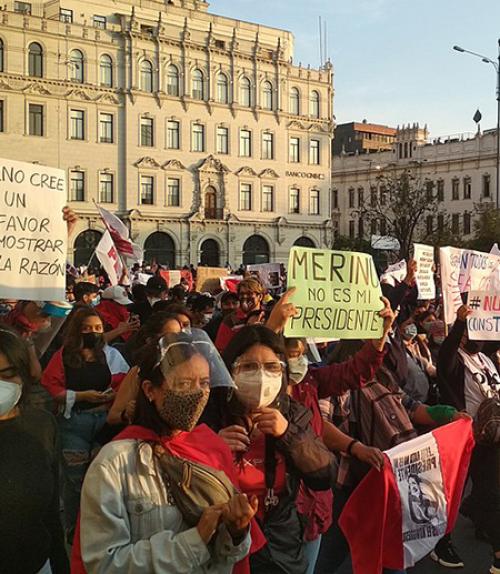
Protests erupted almost immediately across the country.
📉 Deeper Causes: Years of Instability


4
The protests were not just about one president.
They reflect years of systemic instability.
🏛️ Constant Political Turnover
Peru has experienced:
• Multiple presidents in a short period
• Frequent impeachment attempts
• Ongoing conflict between Congress and the presidency
👉 Result:
A system many citizens no longer trust
⚖️ Inequality and Regional Divide
A major factor in the protests:
• Tension between urban elites (Lima) and rural populations
• Indigenous and rural communities feel marginalized
👉 Many protesters came from:
• Southern regions
• Rural areas
💰 Economic Frustration
While Peru has had economic growth, many citizens still face:
• Poverty
• Limited access to services
• Inequality
🔥 Nationwide Uprising


4
The protests spread rapidly across the country.
Key features:
• Road blockades across regions
• Airport disruptions
• Mass marches in Lima
Participants included:
• Rural communities
• Indigenous groups
• Workers
• Students
👉 This made the movement:
Nationwide and socially diverse
⚔️ Clashes and Crackdown


4
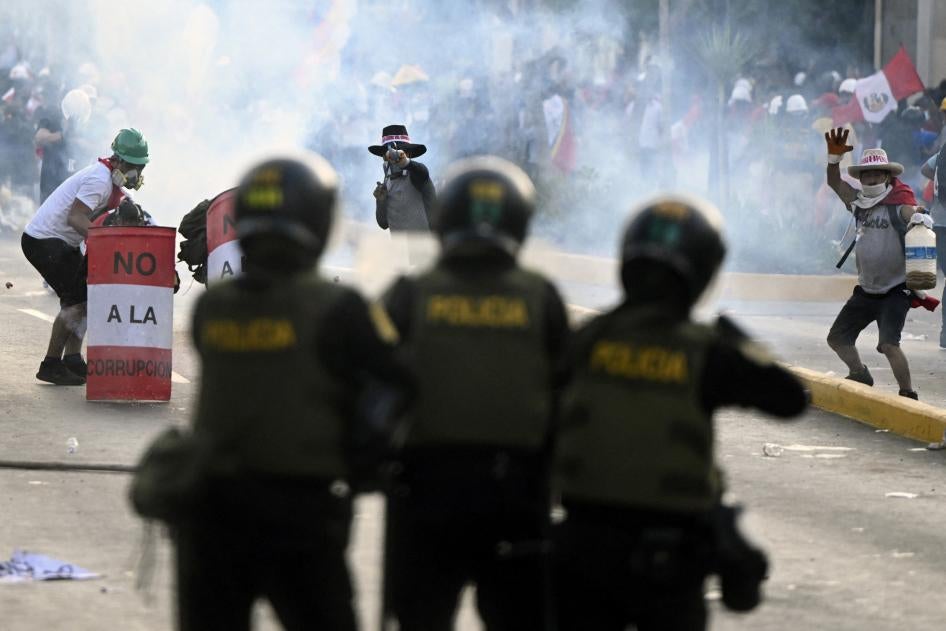
The response from authorities was severe.
Reports included:
• Use of tear gas and live ammunition
• Large-scale clashes
• Dozens of deaths
The situation became one of the deadliest protest crackdowns in recent Latin American history.
👉 This intensified anger rather than ending protests.
📱 Digital Mobilization

4
As with other modern movements:
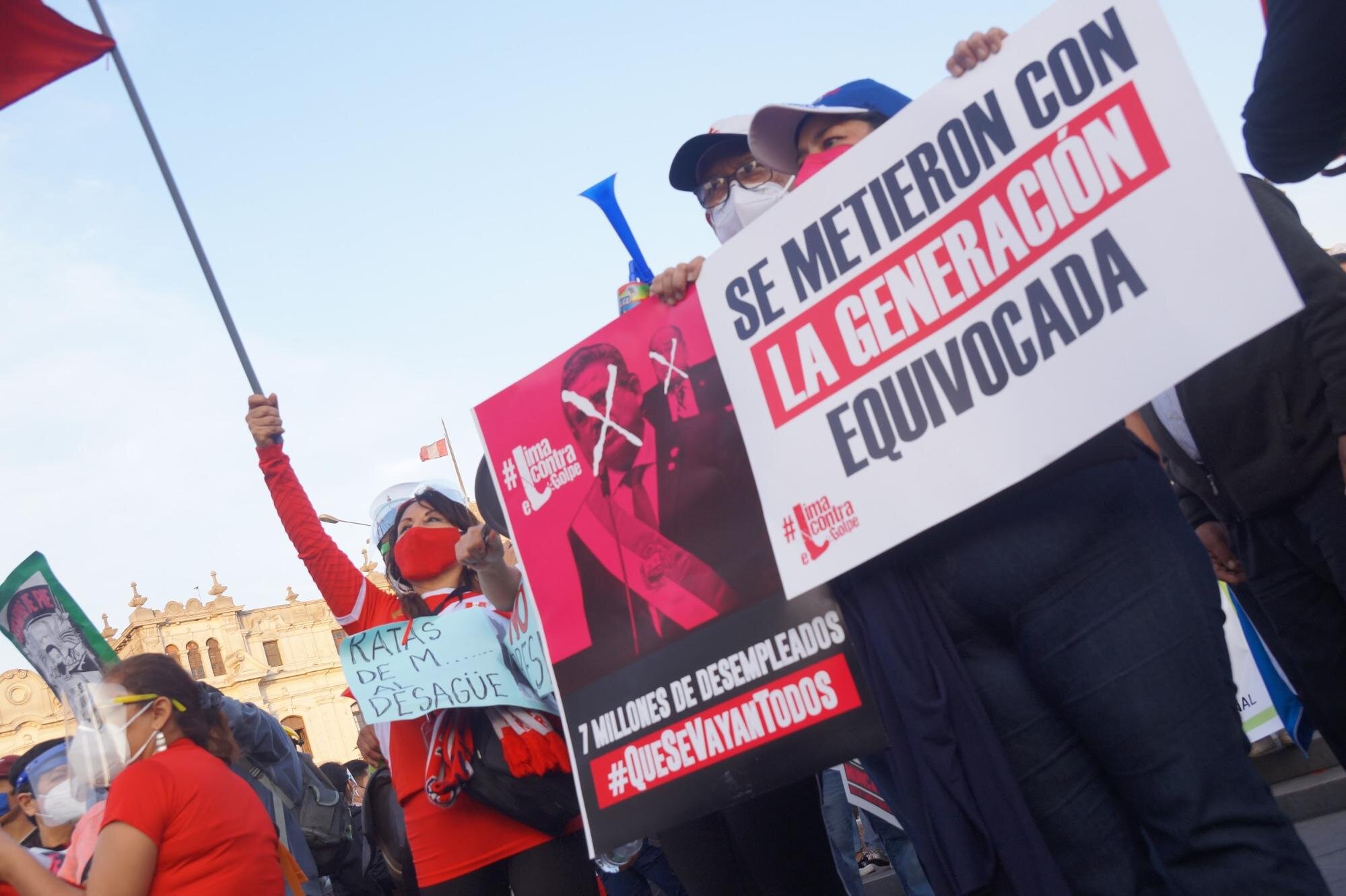
• Social media helped spread protests
• Videos of clashes went viral
• National attention increased
👉 However, compared to Kenya or Hong Kong:
The movement was more physically driven than digitally coordinated
⚖️ Government Response
The government attempted to stabilize the situation through:
• Security measures
• Political messaging
• Calls for dialogue
However, protesters demanded:
• President Boluarte’s resignation
• New elections
• Constitutional reform
👉 These demands have not been fully met.
🧠 Why Peru Matters
Peru represents a different type of protest case:
👉 A legitimacy crisis rather than a single-issue uprising
🔑 Key Features
1. Political System Breakdown
Citizens distrust the entire political class
2. Rural vs Urban Divide
Strong regional tensions drive protests
3. Recurring Instability
Protests return repeatedly
4. Violent Escalation
Higher levels of confrontation than many modern protests
🌍 Peru in the Global Pattern
Peru aligns most closely with:
• 🇪🇬 Egypt (political legitimacy crisis)
• 🇮🇶 Iraq (fragmented system)
• 🇻🇪 Venezuela (long-term instability)
🔁 Pattern Match:
-
Political crisis
-
Public distrust
-
Mass mobilization
-
Escalation
-
Crackdown
-
Ongoing instability
🔮 What Happens Next?
Peru is likely to remain unstable.
Possible future scenarios:
• Continued protest cycles
• Political reforms
• Leadership changes
👉 But:
Short-term stability remains fragile
🧠 Final Reflection
Peru shows a powerful reality of modern uprisings:
👉 When people lose trust in the entire system—not just leaders—protests become harder to resolve
It’s not about:
• One policy
• One politician
It’s about:
👉 The legitimacy of the system itself
🔚 Key Insight
Peru is not just protesting a government—
it is questioning its entire political foundation.
Similar Tags
Search
Subscribe
Donate


Your Statistics
For the care and safety of this prayer space, we gently record the time and location of each visit. This helps us protect sincerity while preserving anonymity.
Your Date and Time
IP Addres:
216.73.217.17
System
- OS Linux n
- PHP 8.3.30
- MySQLi 10.6.25-MariaDB-log
- Time 01:08
- Caching Disabled
- Gzip Disabled
- Users 122
- Articles 315
- Articles View Hits 17216
Website Visitors Map
About Greg Loucks
Greg Loucks is a writer, poet, filmmaker, musician, and graphic designer, as well as a creative visionary and faith-driven storyteller working at the intersection of language, meaning, and human connection. Born and raised in Phoenix, Arizona, he has lived in Cincinnati, Ohio; Hot Springs, Arkansas; Williams, Arizona; and Flagstaff, Arizona—each place shaping his perspective, resilience, and creative voice.

Address:
United States of America and Europe
Phone Numbers:
Arizona: (928) 563-GREG (4734)
Tennessee: (615) 899-GREG (4734)
Toll-Free: 888-457-GREG (4734)

Comments