



🖊️ Post


🇪🇹 Ethiopia: When Protest Turns Into Conflict


4
Ethiopia represents one of the most complex and important cases in your entire series—because it shows what happens when protest movements don’t stay protests.
Instead, Ethiopia followed a dangerous trajectory:
👉 Grievances → Protests → Ethnic tensions → Armed conflict
Unlike Chile, Kenya, or even Iran, Ethiopia is a case where:
👉 The line between protest and war disappeared
⚡ The Origins: Protest Movements (2015–2018)
Before conflict erupted, Ethiopia experienced major protest waves.
🔥 Initial triggers:
• Land and development policies
• Perceived marginalization of ethnic groups
• Political restrictions
💥 What followed:
• Large-scale protests across regions
• Youth-led mobilization
• Government crackdowns
👉 Outcome:
Political change at the top
🏛️ Reform and Rising Expectations
After protests, Abiy Ahmed came to power in 2018 promising reform.
⚡ Early changes:
• Political prisoners released
• Restrictions eased
• Peace agreement with Eritrea
👉 This created:
Hope for transformation
📉 The Turning Point: Rising Tensions


4
However, reforms also exposed deeper divisions.
⚖️ Ethnic Federalism
Ethiopia’s system is based on ethnic regions.
This led to:
• Competition between groups
• Rising nationalist movements
• Political fragmentation
🔥 Escalation
Tensions increased between:
• Federal government
• Regional powers (especially Tigray)
👉 Result:
Protests became politicized and polarized
💥 From Protest to War (Tigray Conflict)


4
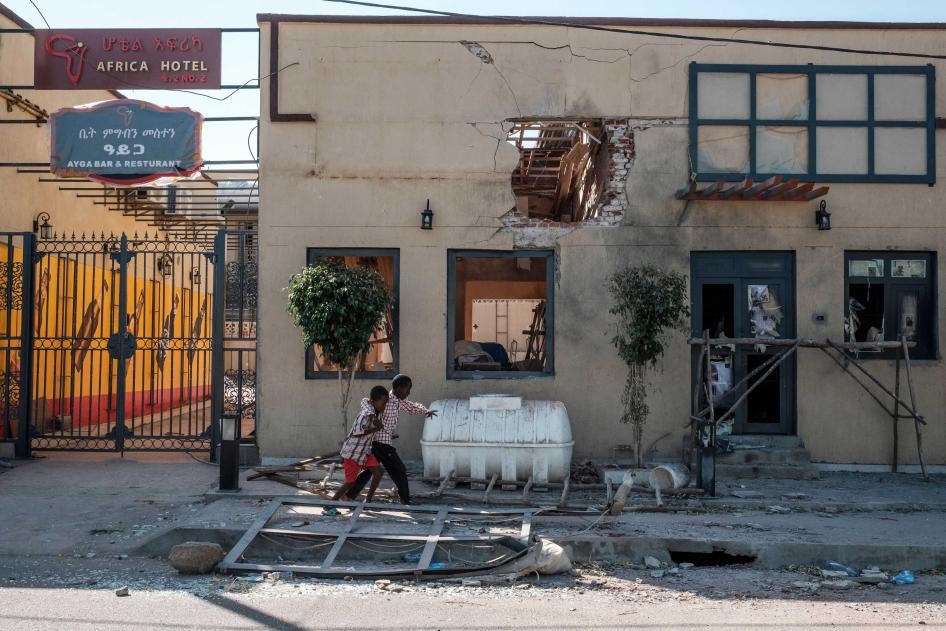
In 2020, the situation escalated dramatically.
⚡ What happened:
• Conflict broke out between federal forces and Tigray region
• Full-scale war followed
🔥 Consequences:
• Thousands killed
• Millions displaced
• Major humanitarian crisis
👉 This marked a shift:
From protest → to civil conflict
📱 Information and Control
4
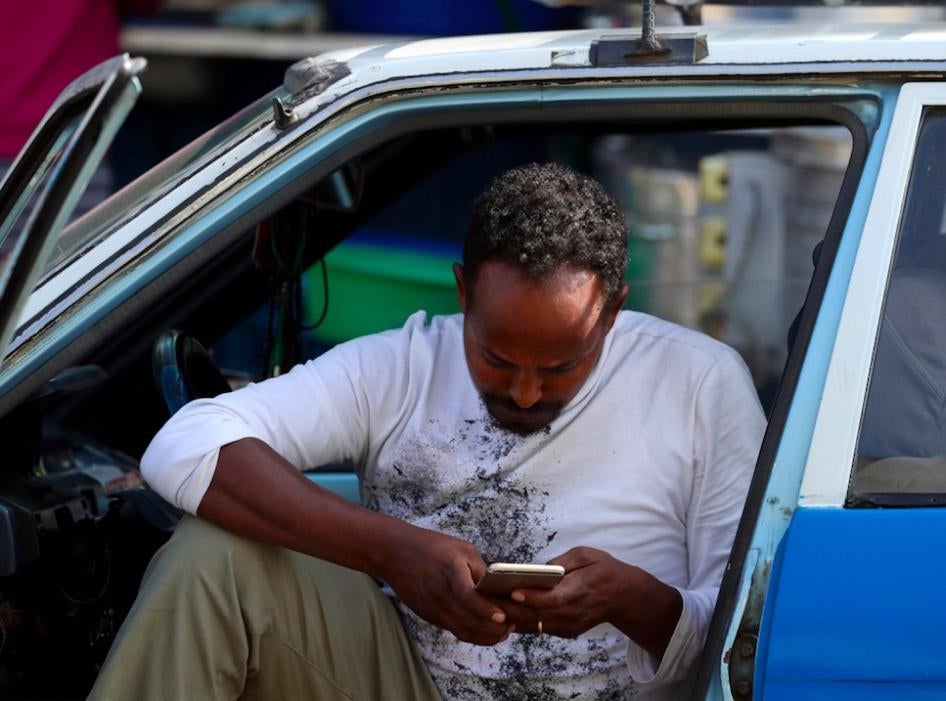
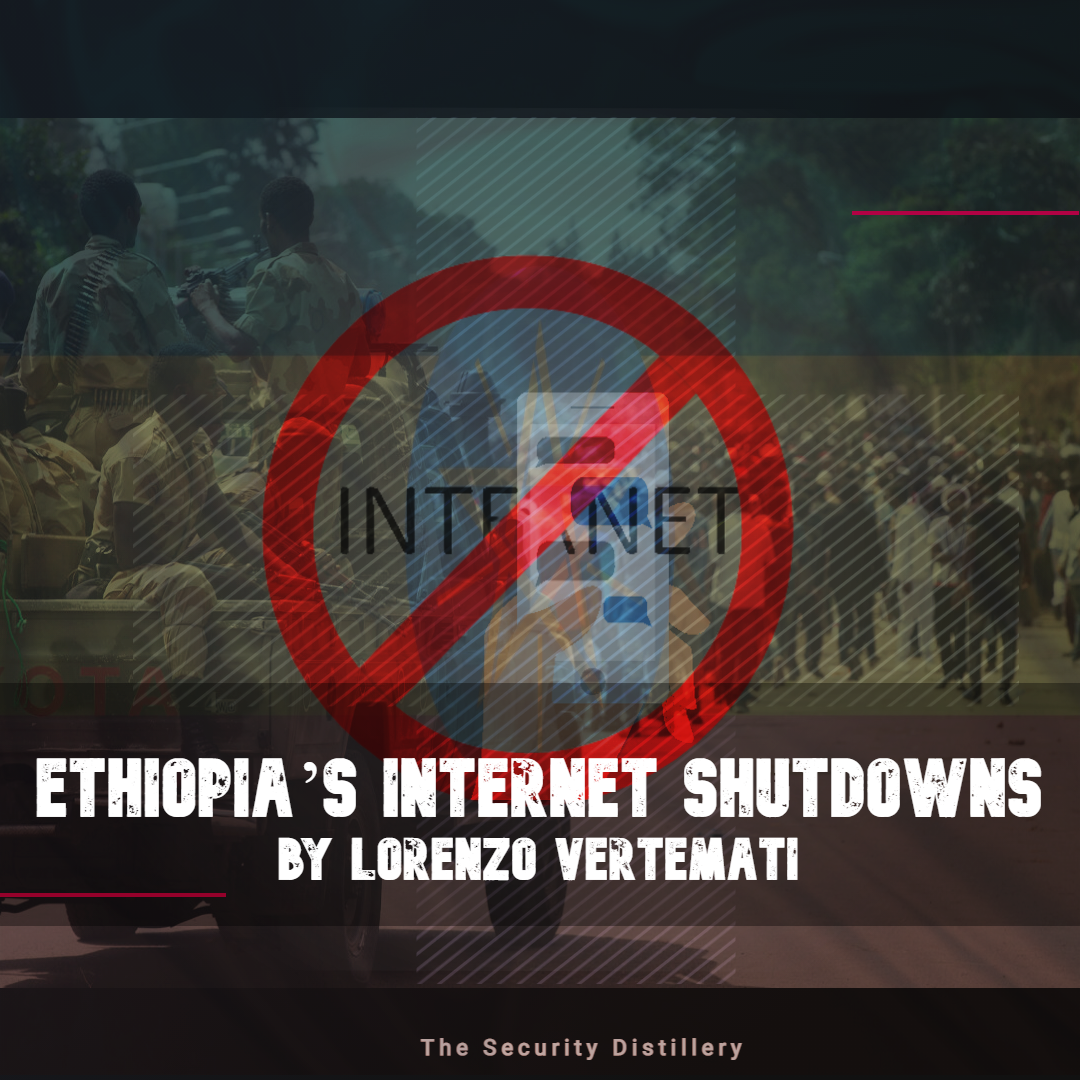
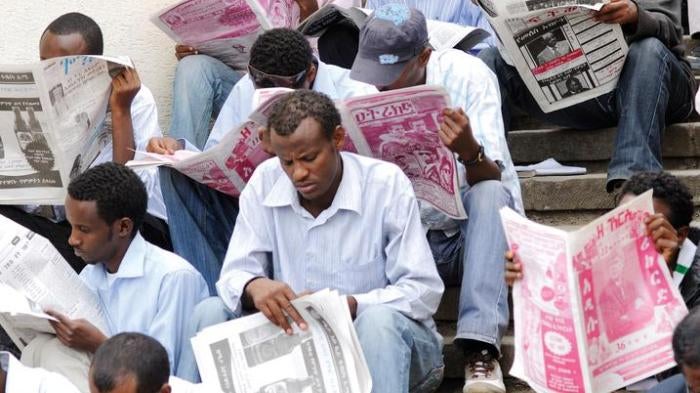
During unrest and conflict:
• Internet shutdowns occurred
• Media access was restricted
• Information became difficult to verify
👉 This reflects a key theme in your series:
Control of information becomes critical during crisis
⚖️ Why Ethiopia Escalated So Far
Ethiopia did not follow the “normal protest path.”
🔑 Key Factors
1. Deep Structural Divisions
Ethnic and regional tensions
2. Weak National Cohesion
Competing identities and interests
3. Power Struggles
Central vs regional authority
4. Escalation of Force
Conflict replaced negotiation
👉 Result:
System fragmentation
🌍 Ethiopia in the Global Pattern
Ethiopia represents a distinct category:
🔴 Protest → Conflict States
Also seen in:
• 🇸🇾 Syria
• 🇱🇾 Libya
• 🇸🇩 Sudan
👉 Pattern:
-
Protest
-
Division
-
Militarization
-
War
🔮 What Happens Next?
Ethiopia remains fragile.
Possible scenarios:
• Continued instability
• Regional tensions
• Gradual stabilization (long-term)
👉 Risk level:
High for renewed conflict
🧠 Final Reflection
Ethiopia reveals one of the most important truths in your entire series:
👉 Not all protest movements lead to reform—some lead to fragmentation
It shows:
• How quickly unrest can escalate
• The danger of unresolved divisions
• The thin line between protest and war
🔚 Key Insight
Ethiopia is not just a protest story—
it is a warning of what happens when a nation’s internal tensions ignite.
Similar Tags
Search
Subscribe
Donate


Your Statistics
For the care and safety of this prayer space, we gently record the time and location of each visit. This helps us protect sincerity while preserving anonymity.
Your Date and Time
IP Addres:
216.73.217.84
System
- OS Linux n
- PHP 8.3.30
- MySQLi 10.6.25-MariaDB
- Time 07:59
- Caching Disabled
- Gzip Disabled
- Users 245
- Articles 315
- Articles View Hits 24229
Website Visitors Map
About Greg Loucks
Greg Loucks is a writer, poet, filmmaker, musician, and graphic designer, as well as a creative visionary and faith-driven storyteller working at the intersection of language, meaning, and human connection. Born and raised in Phoenix, Arizona, he has lived in Cincinnati, Ohio; Hot Springs, Arkansas; Williams, Arizona; and Flagstaff, Arizona—each place shaping his perspective, resilience, and creative voice.

Address:
United States of America and Europe
Phone Numbers:
Arizona: (928) 563-GREG (4734)
Tennessee: (615) 899-GREG (4734)
Toll-Free: 888-457-GREG (4734)

Comments