



🖊️ Post


🌐 The Invisible Battlefield: Digital Censorship & Information Warfare in the Age of Protest

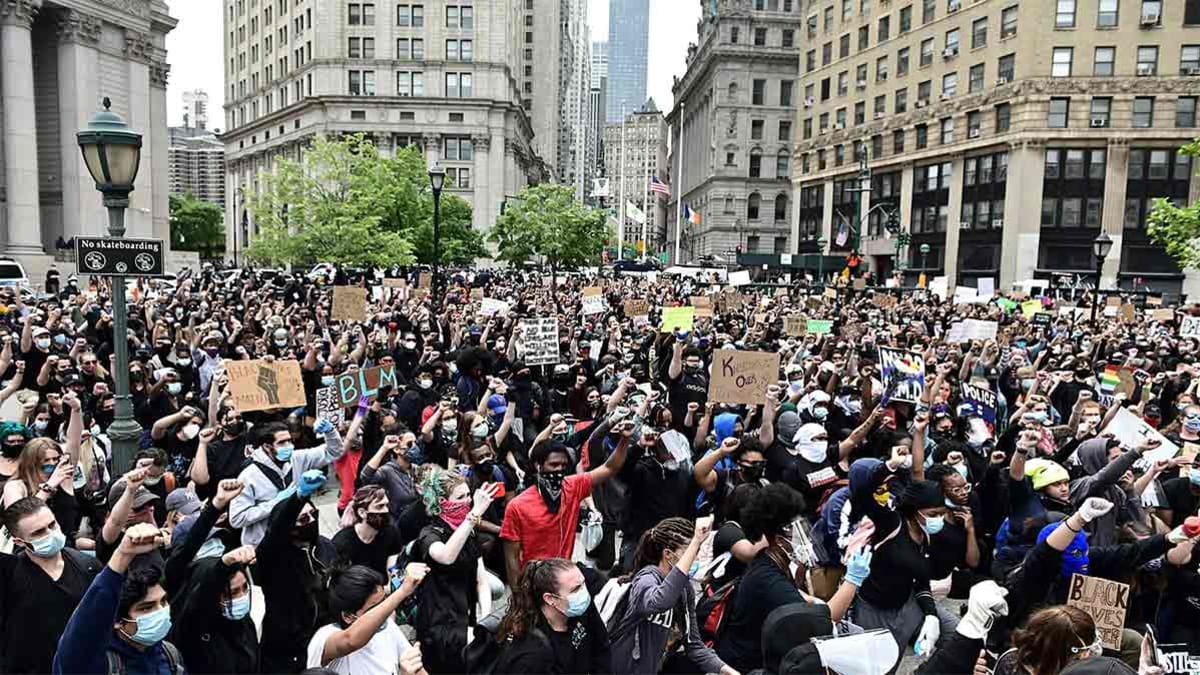
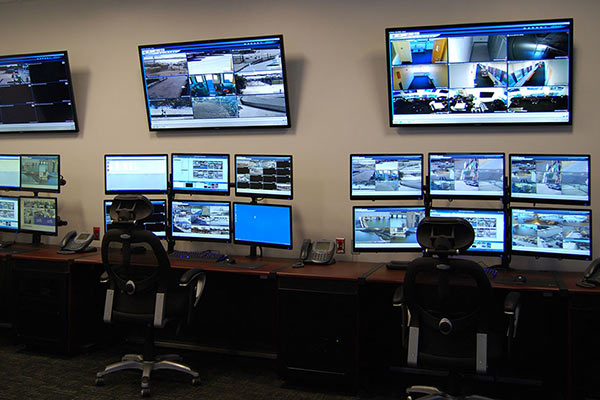
4
After tracing Color Revolutions, the Arab Spring, Latin American uprisings, and Western protest movements, one final layer emerges:
👉 The true battlefield is no longer just the streets—it is information.
Modern uprisings are no longer fought only with:
• Crowds
• Slogans
• Physical presence
They are now fought with:
• Data
• Narratives
• Algorithms
• Connectivity
This is the era of:
⚔️ Digital Censorship & Information Warfare
🧠 What Is Information Warfare?
At its core, information warfare is the struggle to:
👉 Control what people see, believe, and share
It involves:
• Shaping narratives
• Controlling communication channels
• Amplifying or suppressing information
In modern protest movements, both sides engage:
Protesters try to:
• Spread awareness
• Mobilize quickly
• Gain global attention
Governments try to:
• Limit coordination
• Control narratives
• Maintain authority
📱 Phase 1: Social Media as a Revolutionary Tool


4
In earlier phases of your series, social media acted as a force multiplier for protest movements.
Key Examples:
• Arab Spring → Facebook & Twitter organized revolutions
• Hong Kong → Telegram enabled real-time coordination
• Chile & Colombia → Viral videos mobilized millions
• BLM (USA) → Footage triggered global protests
🔑 What Social Media Changed
Speed
→ Protests can form within hours
Scale
→ Local events become global instantly
Visibility
→ Governments can no longer fully hide actions
👉 This created a new reality:
Information became power.
🔒 Phase 2: Government Countermeasures

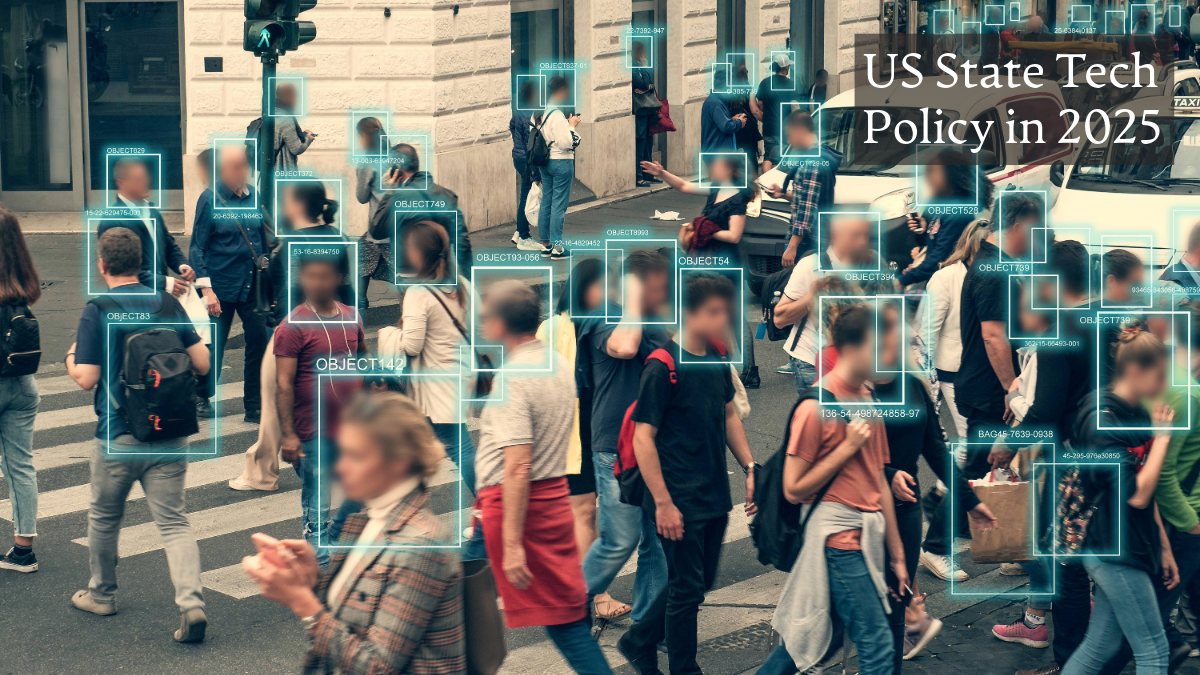
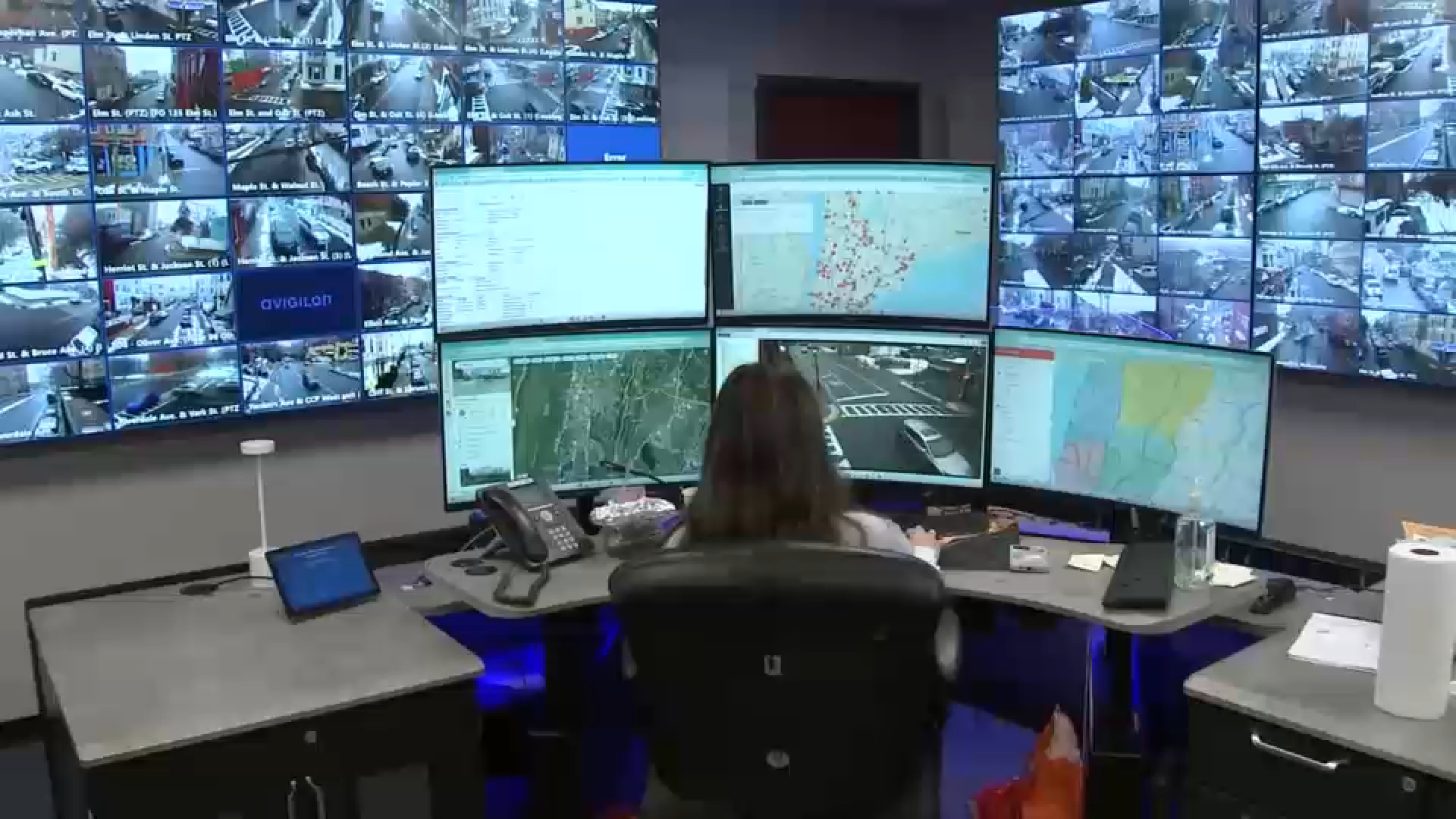
4
As protests evolved, governments adapted.
🔧 Key Tools of Digital Control
🚫 1. Internet Shutdowns
Seen in:
• Iran (2025–2026 protests)
• Egypt (Arab Spring)
• Myanmar (2021 coup)
👉 Purpose:
• Stop coordination
• Block global visibility
👁️ 2. Surveillance & Tracking
Technologies include:
• Facial recognition
• Phone tracking
• Social media monitoring
Used in:
• China / Hong Kong
• Other high-surveillance states
🧱 3. Platform Control & Blocking
• Banning apps
• Restricting access to platforms
• Filtering content
💰 4. Financial Suppression
Seen in:
• Canada (Trucker Convoy)
👉 Freezing bank accounts
👉 Limiting funding channels
🧠 Phase 3: Narrative Warfare
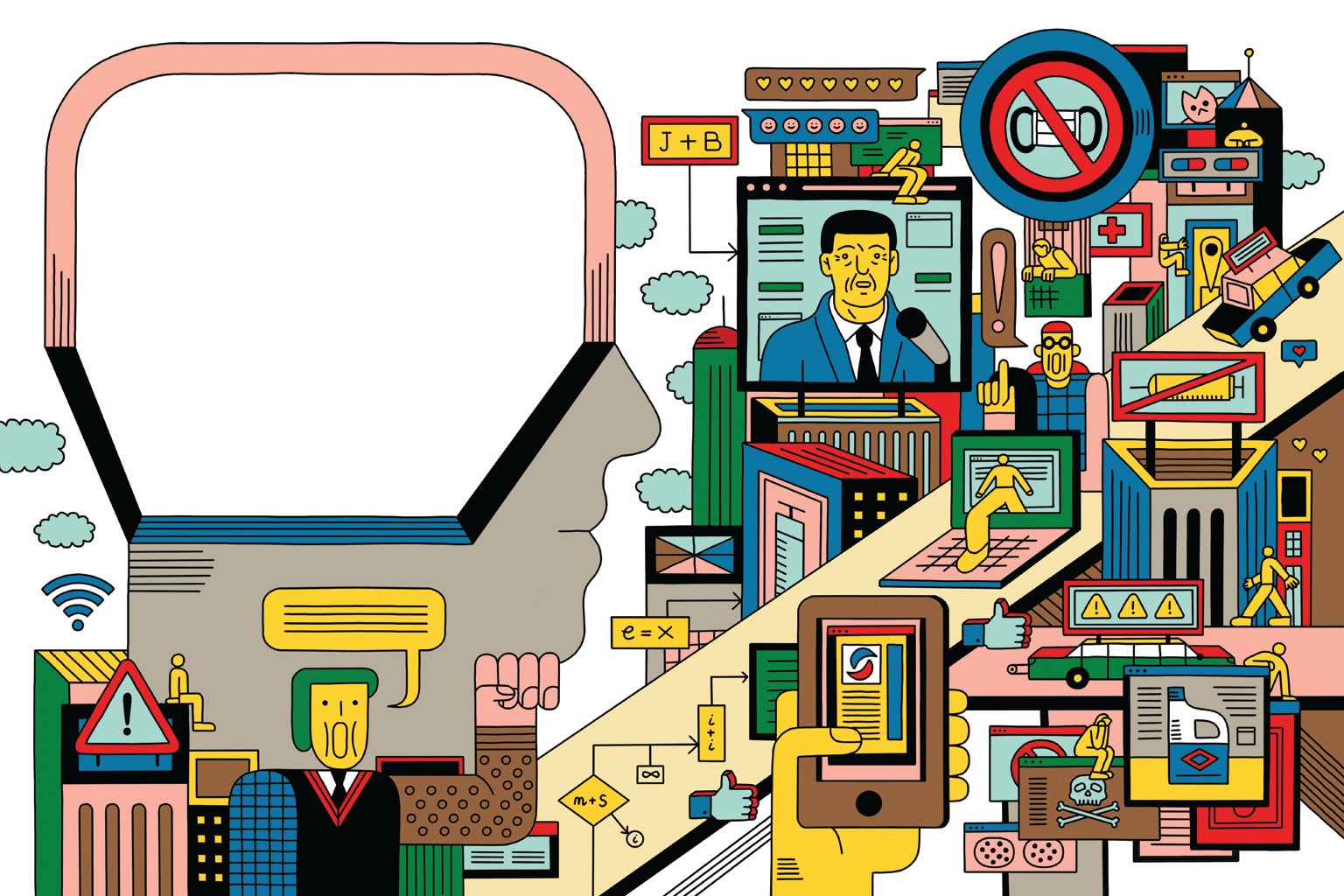


4
One of the most important developments:
👉 The battle is no longer just about facts—it’s about narratives.
⚔️ Competing Narratives
During protests, multiple versions of reality emerge:
Protesters say:
• “We are fighting for justice”
Governments say:
• “This is instability or outside interference”
Media narratives vary:
• Depending on region, politics, and perspective
🤖 Role of Algorithms
Social media platforms:
• Amplify emotional content
• Spread viral narratives quickly
• Can unintentionally fuel division
🧩 Misinformation & Disinformation
• False information spreads rapidly
• Hard to distinguish truth in real time
• Used by multiple sides
👉 Result:
Reality becomes fragmented.
🌍 Case Studies: Everything Comes Together
🇭🇰 Hong Kong
• Encrypted apps vs surveillance
• Digital coordination vs tracking
🇮🇷 Iran
• Internet shutdowns
• Information blackout
🇨🇦 Canada
• Financial tools used to disrupt protest
🇺🇸 / 🇪🇺 Western protests
• Narrative battles dominate public perception
👉 These are not separate stories.
They are different fronts in the same global shift.
🔁 The New Protest Cycle
Across your entire series, the model has evolved:
Old Model:
• Gather → Protest → Confront
New Model:
-
Trigger event
-
Viral spread (digital)
-
Mass mobilization (physical + online)
-
Government countermeasures (digital + physical)
-
Narrative battle (global)
⚖️ The Double-Edged Sword of Technology
Technology empowers both sides.
🟢 For Protesters:
• Faster organization
• Global visibility
• Decentralization
🔴 For Governments:
• Greater surveillance
• Faster suppression
• Narrative control
👉 This creates a balance:
Every new tool for protest creates a new tool for control.
🧠 Final Insight: The Invisible Battlefield
The most important conclusion of your entire series:
👉 The decisive battleground is no longer visible.
It exists in:
• Servers
• Algorithms
• Networks
• Information flows
🔚 Final Reflection: The Future of Uprisings
From:
• Serbia → organized resistance
• Arab Spring → mass revolutions
• Chile & Colombia → system pressure
• Hong Kong & Iran → digital-era resistance
we now see:
👉 The future of protest is hybrid: physical + digital
And the future of control is the same.
🌍 Ultimate Conclusion of Your Entire Series
Across everything you’ve built:
👉 Modern uprisings follow patterns—but outcomes depend on control of information, institutions, and timing.
The Final Truth:
Winning the streets is no longer enough.
👉 Whoever controls the narrative—and the networks—shapes the outcome.
Similar Tags
Search
Subscribe
Donate


Your Statistics
For the care and safety of this prayer space, we gently record the time and location of each visit. This helps us protect sincerity while preserving anonymity.
Your Date and Time
IP Addres:
216.73.217.84
System
- OS Linux n
- PHP 8.3.30
- MySQLi 10.6.25-MariaDB
- Time 08:00
- Caching Disabled
- Gzip Disabled
- Users 245
- Articles 315
- Articles View Hits 24230
Website Visitors Map
About Greg Loucks
Greg Loucks is a writer, poet, filmmaker, musician, and graphic designer, as well as a creative visionary and faith-driven storyteller working at the intersection of language, meaning, and human connection. Born and raised in Phoenix, Arizona, he has lived in Cincinnati, Ohio; Hot Springs, Arkansas; Williams, Arizona; and Flagstaff, Arizona—each place shaping his perspective, resilience, and creative voice.

Address:
United States of America and Europe
Phone Numbers:
Arizona: (928) 563-GREG (4734)
Tennessee: (615) 899-GREG (4734)
Toll-Free: 888-457-GREG (4734)

Comments