







🖊️ Post


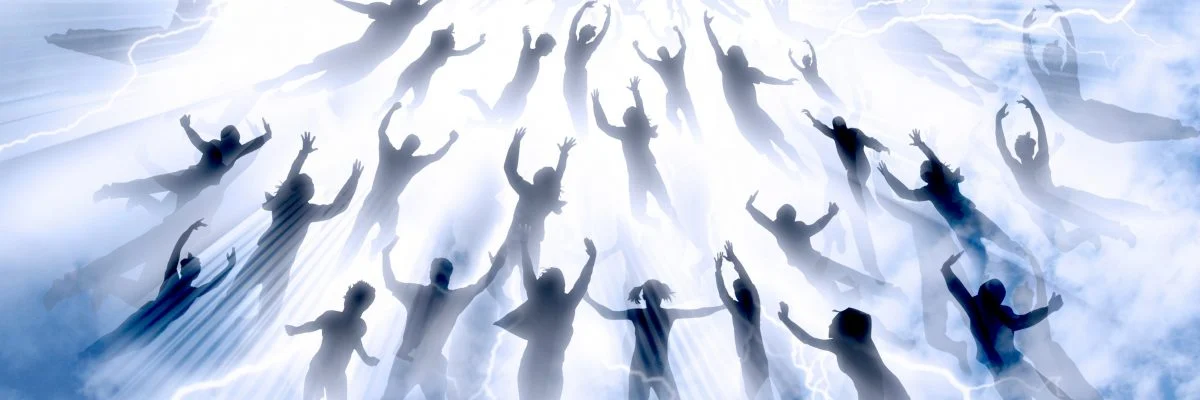
🪽 Who Is Raptured (Taken)?: What the Bible, Enoch, and Early Christianity Actually Say About the Rapture
Introduction:
Among modern evangelical teachings, few doctrines have captured the imagination of believers like the rapture—the idea that Christians will suddenly disappear from the earth before a great tribulation.
Entire books, movies, and prophecy conferences have been built around this expectation. Many Christians assume that this belief has always been part of Christianity.
Yet when we carefully examine Scripture, Jewish feast traditions, early church history, and ancient Jewish writings, a more complex discussion emerges.
Important questions arise:
-
What does the Bible actually say about who is taken and who remains?
-
Did early Christians teach a pre-tribulation rapture?
-
How do the biblical feasts of Israel relate to prophecy?
-
Why do several passages describe the wicked being removed rather than the righteous?
-
And what role do ancient writings such as the Book of Enoch play in understanding early Jewish apocalyptic thought?
Exploring these questions leads us through Scripture, early Christian writings, and ancient Jewish texts that were widely known during the time of Jesus.
Psalm 37 and the Pattern of Removal
A key passage in this discussion is Psalms 37.
This psalm repeatedly contrasts the fate of the wicked with that of the righteous.
Psalm 37:9
“For evildoers shall be cut off: but those that wait upon the LORD, they shall inherit the earth.”
Psalm 37:10
“For yet a little while, and the wicked shall not be.”
Psalm 37:22
“They that be cursed of him shall be cut off.”
Psalm 37:29
“The righteous shall inherit the land, and dwell therein forever.”
Psalm 37:34
“Wait on the LORD… and he shall exalt thee to inherit the land: when the wicked are cut off, thou shalt see it.”
The pattern repeated throughout the psalm is clear:
The wicked are removed.
The righteous remain and inherit the earth.
Jesus Echoes Psalm 37
Jesus appears to reference this psalm directly in Gospel of Matthew 5:5:
“Blessed are the meek: for they shall inherit the earth.”
This echoes Psalm 37:11 and reinforces the idea that God’s kingdom ultimately restores the earth.
Another passage reinforces this expectation:
Romans 8:19-21
“The creation itself also shall be delivered from the bondage of corruption.”
The Days of Noah and Who Was Taken
In Gospel of Matthew 24, Jesus compares His return to the days of Noah.
Matthew 24:37-39
“As the days of Noah were, so shall also the coming of the Son of man be… the flood came and took them all away.”
Who was taken?
The wicked were taken by the flood.
Noah remained.
Immediately afterward Jesus says:
Matthew 24:40-41
“Two shall be in the field; one shall be taken, and the other left.”
Some interpreters therefore argue that the same pattern continues:
Taken = judgment
Left = preservation.
The Parallel Passage in Luke
The same teaching appears in Gospel of Luke 17:34-37.
Jesus says:
“Where the body is, there the vultures will gather.”
Again the imagery suggests judgment rather than rescue.
The Parable of the Wheat and Weeds
Another example appears in Gospel of Matthew 13:30.
Jesus says:
“Gather the weeds first… and burn them.”
Later He explains:
Matthew 13:41-43
“The Son of man shall send forth his angels, and they shall gather out of his kingdom all things that offend.”
Again the order appears:
Wicked removed first
Righteous remain
The Biblical Feasts and God’s Prophetic Calendar
The seven feasts of Israel are described in Book of Leviticus 23.
God calls them “appointed times.”
Leviticus 23:2
“These are my feasts… holy convocations.”
The feasts are divided into two groups.
Spring Feasts
-
Passover
-
Unleavened Bread
-
Firstfruits
-
Pentecost
Fall Feasts
-
Trumpets
-
Day of Atonement
-
Tabernacles
Many scholars believe these feasts form a prophetic pattern of redemption.
Jesus and the Spring Feasts
Passover
Exodus 12:13
“When I see the blood, I will pass over you.”
Jesus died during Passover.
First Epistle to the Corinthians 5:7
“Christ our Passover is sacrificed for us.”
Unleavened Bread
Exodus 12:15
“Seven days shall ye eat unleavened bread.”
Jesus’ body lay in the tomb during this feast.
Firstfruits
Leviticus 23:10-11
“Bring a sheaf of the firstfruits.”
Jesus rose on this feast.
First Epistle to the Corinthians 15:20
“Christ is risen… the firstfruits of them that slept.”
Pentecost
The Holy Spirit came during Pentecost.
Acts of the Apostles 2:1-4
“When the day of Pentecost was fully come… they were filled with the Holy Ghost.”
The Fall Feasts and the Book of Revelation
Many theologians and Bible teachers believe the Fall Feasts of Israel may prophetically correspond to events connected with the return of Christ and the final events described in the Book of Revelation.
Just as many Christians see the Spring Feasts fulfilled during Jesus’ first coming—His death, burial, resurrection, and the coming of the Holy Spirit—some believe the Fall Feasts may point forward to events surrounding Christ’s second coming, judgment, and the restoration of God’s kingdom.
The Fall Feasts occur in the seventh month of the Hebrew calendar and focus heavily on themes such as:
-
awakening
-
repentance
-
judgment
-
the appearing of the King
-
God dwelling among His people.
These same themes appear throughout the book of Revelation.
The Fall Feasts include:
-
Feast of Trumpets
-
Day of Atonement
-
Feast of Tabernacles
Each of these feasts carries symbolism that many theologians believe reflects aspects of the final events described in biblical prophecy.
The Feast of Trumpets
The first of the Fall Feasts is the Feast of Trumpets, also known as Yom Teruah.
It is commanded in Book of Leviticus 23:24:
“In the seventh month, in the first day of the month, shall ye have a sabbath, a memorial of blowing of trumpets, an holy convocation.”
The Hebrew word teruah refers to a loud blast or shout, often associated with a trumpet call used to alert or awaken people.
The blowing of trumpets in ancient Israel served several purposes. Trumpets were used to:
-
gather the people
-
announce war
-
proclaim the arrival of a king
-
warn of approaching judgment
-
signal important divine events.
Because of these meanings, many Bible teachers connect the Feast of Trumpets with the announcement of the Day of the Lord and the appearing of the Messiah as King.
Jewish Traditions Associated with the Feast of Trumpets
Over time several traditions developed around the Feast of Trumpets that further emphasized its themes of judgment, awakening, and kingship.
One of these traditions is known as the awakening blast.
During the feast the shofar (ram’s horn) is blown repeatedly as a call for the people to awaken spiritually and prepare for the coming judgment.
This concept of awakening parallels New Testament language such as:
Ephesians 5:14
“Awake thou that sleepest, and arise from the dead, and Christ shall give thee light.”
Another tradition speaks of the opening of the heavenly books. Jewish teaching associated the Feast of Trumpets with the moment when God begins to review the deeds of humanity before the Day of Atonement.
This idea of heavenly books appears in Scripture.
Daniel 7:10
“The judgment was set, and the books were opened.”
A similar scene appears in Revelation.
Revelation 20:12
“And the books were opened: and another book was opened, which is the book of life.”
Another tradition connected with the feast is the opening of the gates of heaven for judgment and mercy. This imagery of heavenly gates also appears in prophetic passages describing the return of the King.
The Hidden Day
The Feast of Trumpets was also sometimes called “the hidden day” because it began at the sighting of the new moon.
Since the exact moment of the new moon could not be predicted precisely, the feast began when witnesses saw the moon and the announcement was made.
Because of this uncertainty, the feast became associated with the idea that no one knows the exact day or hour.
Some prophecy teachers see a parallel between this concept and the words of Jesus:
Gospel of Matthew 24:36
“But of that day and hour knoweth no man.”
Trumpets Announce the Day of the Lord
The prophets often associated trumpet blasts with the coming judgment of God.
For example, the prophet Joel wrote:
Joel 2:1
“Blow ye the trumpet in Zion, and sound an alarm in my holy mountain: let all the inhabitants of the land tremble: for the day of the LORD cometh.”
Similarly, the prophet Zephaniah described the Day of the Lord as a day of trumpet blasts.
Zephaniah 1:16
“A day of the trumpet and alarm against the fenced cities.”
In the ancient world, the trumpet was a warning signal announcing that something momentous was about to occur.
The trumpet blast therefore symbolized a moment when God was about to intervene directly in history.
Trumpets and the Resurrection
The New Testament also connects the return of Christ with the sound of a trumpet.
In First Epistle to the Thessalonians 4:16, Paul writes:
“For the Lord himself shall descend from heaven with a shout, with the voice of the archangel, and with the trump of God: and the dead in Christ shall rise first.”
Another passage appears in First Epistle to the Corinthians 15:52:
“In a moment, in the twinkling of an eye, at the last trumpet: for the trumpet shall sound, and the dead shall be raised incorruptible.”
In these passages the trumpet signals:
-
the descent of the Lord
-
the resurrection of the dead
-
the transformation of believers.
Because of these connections, some interpreters believe these passages may symbolically align with the Feast of Trumpets, which also centers on trumpet blasts announcing divine events.
Trumpets in the Book of Revelation
The imagery of trumpets also appears prominently in the Book of Revelation.
Revelation describes seven angels who sound seven trumpets, each announcing a judgment upon the earth.
Revelation 8:2
“And I saw the seven angels which stood before God; and to them were given seven trumpets.”
As each trumpet sounds, dramatic events occur:
-
cosmic disturbances
-
environmental destruction
-
spiritual judgments
-
warnings to the earth.
For example:
Revelation 8:7
“The first angel sounded, and there followed hail and fire mingled with blood.”
Revelation 8:8
“The second angel sounded… and a great mountain burning with fire was cast into the sea.”
Revelation 9:1
“And the fifth angel sounded, and I saw a star fall from heaven unto the earth.”
Finally, the seventh trumpet proclaims the establishment of God’s kingdom.
Revelation 11:15
“And the seventh angel sounded; and there were great voices in heaven, saying,
The kingdoms of this world are become the kingdoms of our Lord, and of his Christ.”
Because of this, many scholars believe the trumpet imagery in Revelation continues the biblical theme that trumpets announce the arrival of divine judgment and the reign of God.
The Day of Atonement
Ten days after the Feast of Trumpets comes the Day of Atonement (Yom Kippur).
It is commanded in Book of Leviticus 23:27:
“Also on the tenth day of this seventh month there shall be a day of atonement.”
The Day of Atonement was the most solemn day in the Jewish calendar.
It was a time of:
-
repentance
-
confession of sin
-
national cleansing
-
reconciliation with God.
On this day the high priest entered the Holy of Holies to make atonement for the sins of the people.
Because of its focus on judgment and repentance, many theologians see parallels between the Day of Atonement and the final judgment described in Revelation.
For example:
Revelation 20:11–12
“And I saw a great white throne… and the dead were judged according to their works.”
The Day of Atonement therefore reflects the biblical theme that God will ultimately judge the world in righteousness.
The Feast of Tabernacles
Five days after the Day of Atonement comes the Feast of Tabernacles, also known as Sukkot.
It is commanded in Book of Leviticus 23:42:
“Ye shall dwell in booths seven days.”
This feast celebrated how God dwelt with Israel during their wilderness journey.
It was a joyful celebration of:
-
God’s provision
-
God’s presence
-
the future kingdom of God.
Many theologians believe the Feast of Tabernacles symbolizes the ultimate fulfillment of God dwelling among His people.
This theme appears clearly in Revelation.
Revelation 21:3
“Behold, the tabernacle of God is with men, and he will dwell with them.”
This moment represents the final restoration when:
-
God dwells with humanity
-
evil is removed
-
creation is renewed.
The Prophetic Sequence of the Fall Feasts
Many interpreters therefore see a symbolic sequence in the Fall Feasts:
-
Trumpets — announcement of the coming King
-
Day of Atonement — judgment and repentance
-
Tabernacles — God dwelling with His people.
Interestingly, this same pattern appears in the final chapters of Revelation.
Judgment occurs, evil is defeated, and finally God dwells with humanity in a restored creation.
This pattern echoes the ultimate hope of the Bible:
God’s kingdom fully established on earth.
The Prophets and the Last Days
What the Biblical Prophets Said About the End Times
Long before the New Testament was written, many of the prophets of Israel spoke about the “last days,” the Day of the Lord, judgment upon the nations, and the restoration of God’s kingdom. Their writings form the foundation for many later interpretations of biblical prophecy, including the teachings of Jesus and the visions recorded in the New Testament.
These prophetic passages appear throughout the writings of the Old Testament prophets, including:
-
Book of Isaiah
-
Book of Jeremiah
-
Book of Ezekiel
-
Book of Daniel
-
Book of Joel
-
Book of Zechariah
-
Book of Micah
-
Book of Zephaniah
-
Book of Malachi
-
Book of Amos.
Together these prophecies describe a future time when God will intervene in human history, judge evil, and establish a kingdom of righteousness.
The final book of the New Testament, Book of Revelation, repeatedly echoes these earlier prophetic visions. Many of its images—cosmic signs, heavenly thrones, divine judgment, and the restoration of creation—draw directly from the language of the Hebrew prophets. Because of this, Revelation is often understood as the culmination of prophetic themes that began centuries earlier.
In many cases, the imagery in Revelation cannot be fully understood without recognizing its roots in the prophetic books of the Old Testament. John’s visions repeatedly draw upon the language of Isaiah, Daniel, Ezekiel, Joel, and Zechariah. The symbols of beasts, heavenly thrones, scrolls, trumpets, and cosmic disturbances all appear first in the prophetic writings of Israel before being woven together in the visions of Revelation.
Isaiah and the Kingdom of God
One of the most detailed prophetic books describing the future kingdom of God is the Book of Isaiah.
Isaiah described a time when the nations would be drawn to God’s kingdom.
Isaiah 2:2–4
“And it shall come to pass in the last days, that the mountain of the LORD’s house shall be established in the top of the mountains…
and all nations shall flow unto it.
And many people shall go and say, Come ye, and let us go up to the mountain of the LORD…
and they shall beat their swords into plowshares, and their spears into pruninghooks:
nation shall not lift up sword against nation, neither shall they learn war any more.”
This vision of global peace parallels the final chapters of Revelation, where the nations ultimately live under the reign of God.
Revelation 21:24
“And the nations of them which are saved shall walk in the light of it.”
Isaiah also spoke about the coming of a righteous ruler from the line of David.
Isaiah 11:1–4
“And there shall come forth a rod out of the stem of Jesse, and a Branch shall grow out of his roots…
And with righteousness shall he judge the poor.”
This righteous ruler is often understood as the Messiah who ultimately reigns in the kingdom described in Revelation.
Isaiah also foresaw the renewal of creation.
Isaiah 65:17
“For, behold, I create new heavens and a new earth: and the former shall not be remembered.”
This prophecy is echoed directly in Revelation 21:1:
“And I saw a new heaven and a new earth: for the first heaven and the first earth were passed away.”
Isaiah also describes the final defeat of death itself.
Isaiah 25:8
“He will swallow up death in victory.”
This language closely resembles the promise found in Revelation 21:4:
“And there shall be no more death, neither sorrow, nor crying.”
Jeremiah and the New Covenant
The prophet Book of Jeremiah also described events associated with the future restoration of God’s people.
Jeremiah foretold a coming covenant between God and His people.
Jeremiah 31:31–33
“Behold, the days come, saith the LORD, that I will make a new covenant with the house of Israel…
I will put my law in their inward parts, and write it in their hearts.”
Christians often interpret this prophecy as being fulfilled through the work of Christ and the establishment of the new covenant described in the New Testament.
Jeremiah also spoke about the future restoration of Jerusalem and the reign of a righteous king.
Jeremiah 33:15
“In those days… will I cause the Branch of righteousness to grow up unto David; and he shall execute judgment and righteousness in the land.”
This theme of divine justice appears again in Revelation.
Revelation 19:11
“And I saw heaven opened, and behold a white horse; and he that sat upon him was called Faithful and True, and in righteousness he doth judge.”
Ezekiel and the Restoration of Israel
The prophet Book of Ezekiel described dramatic visions connected with the restoration of God’s people.
One of the most famous passages is the vision of the valley of dry bones.
Ezekiel 37:12–14
“Behold, O my people, I will open your graves, and cause you to come up out of your graves…
and I shall put my spirit in you, and ye shall live.”
This concept of resurrection also appears in Revelation.
Revelation 20:13
“And the sea gave up the dead which were in it; and death and hell delivered up the dead which were in them.”
Ezekiel also spoke about a future conflict involving nations gathered against God’s people.
Ezekiel 38:22
“And I will plead against him with pestilence and with blood… and great hailstones, fire, and brimstone.”
This imagery strongly resembles the judgments described in Revelation.
Revelation 16:21
“And there fell upon men a great hail out of heaven.”
Joel and the Day of the Lord
The prophet Book of Joel spoke extensively about the Day of the Lord, a time when God would intervene in history.
Joel described cosmic disturbances that would accompany this event.
Joel 2:30–31
“And I will shew wonders in the heavens and in the earth, blood, and fire, and pillars of smoke.
The sun shall be turned into darkness, and the moon into blood.”
These same cosmic signs appear again in Revelation.
Revelation 6:12
“And, lo, there was a great earthquake; and the sun became black as sackcloth of hair.”
Joel also prophesied the outpouring of God’s Spirit.
Joel 2:28
“And it shall come to pass afterward, that I will pour out my spirit upon all flesh.”
Daniel and the Kingdom That Will Never End
One of the most influential prophetic visions appears in the Book of Daniel.
Daniel describes a sequence of earthly kingdoms that will eventually be replaced by God’s eternal kingdom.
Daniel 2:44
“And in the days of these kings shall the God of heaven set up a kingdom, which shall never be destroyed.”
Daniel also describes the coming of the Son of Man.
Daniel 7:13–14
“I saw in the night visions, and, behold, one like the Son of man came with the clouds of heaven…
And there was given him dominion, and glory, and a kingdom.”
This imagery appears again in Revelation.
Revelation 1:7
“Behold, he cometh with clouds; and every eye shall see him.”
Zechariah and the Return of the Lord
The prophet Book of Zechariah describes dramatic events connected with the final day of the Lord.
Zechariah 14:3–4
“Then shall the LORD go forth, and fight against those nations…
And his feet shall stand in that day upon the mount of Olives.”
The imagery of divine warfare and the defeat of evil appears again in Revelation.
Revelation 19:19
“And I saw the beast, and the kings of the earth, and their armies, gathered together to make war.”
Zechariah also describes a time when the Lord will become king over all the earth.
Zechariah 14:9
“And the LORD shall be king over all the earth.”
This vision parallels the proclamation in Revelation.
Revelation 11:15
“The kingdoms of this world are become the kingdoms of our Lord.”
Common Interpretations of the Prophetic Passages
Throughout Christian history, theologians have interpreted these prophetic passages in different ways.
Some interpret them as describing literal future events that will occur at the end of history.
Others interpret them symbolically as describing the spiritual victory of God’s kingdom.
Still others see a mixture of historical fulfillment and future fulfillment.
Many interpreters attempt to harmonize the writings of the prophets with the visions recorded in Book of Revelation, which draws heavily from Old Testament imagery.
Despite different interpretations, most Christian traditions agree that the prophets ultimately point toward:
-
the judgment of evil
-
the resurrection of the dead
-
the reign of the Messiah
-
the renewal of creation.
These themes form the foundation for the biblical hope that God will ultimately restore justice, peace, and righteousness to the world.
The Book of Enoch and the Last Days
The Book of Enoch contains apocalyptic prophecies about judgment.
Additional last-days passages in the Book of Enoch describe the coming judgment of God, the vindication of the righteous, and the destruction of the wicked. These themes resemble many biblical passages about the Day of the Lord and the final judgment described in Scripture.
The book itself is traditionally attributed to Enoch, the seventh generation from Adam mentioned in Book of Genesis 5:24, who “walked with God.” Ancient Jewish tradition expanded upon the brief biblical description of Enoch and developed a series of visions and prophecies attributed to him concerning the heavenly realm and the future judgment of the world.
Many scholars classify the Book of Enoch as Second Temple Jewish apocalyptic literature, meaning it reflects the worldview and expectations of Jewish communities in the centuries before the time of Jesus.
One of the most famous passages appears at the beginning of the book.
The Lord Coming With His Holy Ones
1 Enoch 1:9
“Behold! He comes with ten thousands of His holy ones
to execute judgment upon all,
and to destroy all the ungodly
and to convict all flesh of all the works of their ungodliness
which they have ungodly committed.”
Another version of the same passage reads:
“Behold, he comes with ten thousands of his holy ones
to execute judgment upon all.”
This prophecy about the Lord coming with His holy ones resembles New Testament descriptions of Christ’s return.
This passage is especially important because it is quoted directly in the New Testament by Epistle of Jude.
Jude Quotes Enoch
The New Testament confirms this connection.
In Epistle of Jude 1:14–15, Jude writes:
“Enoch, the seventh from Adam, prophesied, saying,
‘Behold, the Lord comes with ten thousands of his saints
to execute judgment upon all.’”
This quotation closely matches 1 Enoch 1:9.
Jude—who was traditionally understood to be a brother of Jesus—therefore directly quotes Enochic prophecy.
Both texts describe the Lord coming with heavenly beings or saints to bring judgment, a theme that appears in several biblical prophecies about the return of Christ.
The fact that Jude quotes Enoch demonstrates that the book was well known among Jewish and early Christian readers in the first century.
The Righteous Being Preserved
Another passage describes the deliverance of the righteous during judgment.
1 Enoch 1:8
“But with the righteous He will make peace,
and will protect the elect,
and mercy shall be upon them.”
Here the pattern resembles Psalm 37:
-
judgment falls on the wicked
-
protection is given to the righteous.
The same pattern appears repeatedly in biblical prophecy where God preserves His people while judgment falls on those who oppose Him.
Another passage reinforces this theme.
1 Enoch 48:7
“For the elect shall have light and joy and peace,
and they shall inherit the earth.”
This language strongly resembles the promise found in Gospel of Matthew 5:5, where Jesus says the meek will inherit the earth.
The Judgment of the Wicked
Later sections describe the removal or destruction of the wicked.
1 Enoch 5:4
“You have been patient in your days,
but the days of the sinners shall be shortened.”
1 Enoch 5:6
“But for the elect there shall be light and joy and peace.”
This contrast between judgment for the wicked and blessing for the righteous parallels many biblical passages about the Day of the Lord.
Another passage emphasizes the same theme.
1 Enoch 62:11
“The kings of the earth shall fall down before Him…
but the righteous shall be saved in that day.”
The prophets frequently described the final judgment using the same structure:
-
the wicked are cut off
-
the righteous receive peace and restoration.
The Resurrection of the Righteous
Another section describes the righteous rising and being vindicated.
1 Enoch 51:1–2
“In those days the earth shall give back that which has been entrusted to it,
and Sheol shall give back that which it has received…
and the righteous and holy shall arise from it.”
This description of the dead being raised resembles biblical resurrection passages such as:
-
Daniel 12
-
John 5
-
1 Corinthians 15.
Another Enoch passage also speaks of the resurrection.
1 Enoch 92:3
“The righteous shall arise from their sleep
and shall walk in the paths of righteousness.”
These passages describe a time when the dead are raised and judgment takes place before the establishment of God’s kingdom.
The Elect Gathering Around the Son of Man
Another passage describes the righteous gathering around a heavenly figure called the Son of Man.
1 Enoch 62:14–15
“The righteous and elect shall be saved on that day…
and the Lord of Spirits will cause His Elect One to dwell among them.”
Some scholars note that the title “Son of Man” appears frequently in Enoch’s visions and later becomes the primary title Jesus uses for Himself in the Gospels.
Another passage expands on this figure.
1 Enoch 46:1
“And there I saw one who had a head of days,
and with him was another whose face had the appearance of a man.”
This figure later sits upon the throne of glory to judge the nations.
The Final Judgment of the Nations
Another passage describes rulers of the earth being judged.
1 Enoch 62:3–4
“The kings of the earth and the mighty shall be terrified…
when they see the Son of Man sitting on the throne of His glory.”
This imagery resembles the judgment scenes described in:
-
Matthew 25
-
Revelation 20.
Both passages describe a moment when earthly rulers and nations must stand before divine judgment.
Enoch’s Prophecy of the Last Generation
Another passage describes corruption in the final generation.
1 Enoch 91:7
“And the wicked shall be cut off.”
1 Enoch 91:15
“The righteous shall arise from their sleep,
and wisdom shall arise and be given unto them.”
Again the theme is consistent:
-
the wicked are destroyed
-
the righteous rise and inherit the future kingdom.
Another passage adds further detail about the final age.
1 Enoch 93:8
“And after that there shall be another week, the eighth,
that of righteousness.”
Enoch and the Dead Sea Scrolls
Fragments of the Book of Enoch were discovered among the Dead Sea Scrolls.
This discovery shows the text was widely read among Jews in the centuries before and during the time of Jesus.
The presence of Enoch among the Dead Sea Scrolls demonstrates that it was part of the apocalyptic literature circulating during the Second Temple period, the same historical setting in which the New Testament was written.
Enoch in the Ethiopian Bible
The Ethiopian Orthodox Tewahedo Church includes the Book of Enoch as part of its biblical canon.
This makes it one of the oldest Christian traditions preserving the text as Scripture.
While most other Christian traditions do not include Enoch in their biblical canon, the Ethiopian church has preserved it for centuries.
Jesus and the Tradition About Angels Not Marrying
Jesus says in Gospel of Matthew 22:30:
“In the resurrection they neither marry nor are given in marriage, but are like the angels of God in heaven.”
Some scholars note that discussions about angels marrying humans appear in Enochic tradition.
1 Enoch 6:2
“The angels, the children of heaven, saw them and desired them…
‘Come, let us choose wives from among the children of men.’”
In Enoch, angels leaving heaven and marrying humans is portrayed as a rebellion against God.
Jesus’ statement that angels do not marry may therefore affirm the heavenly order against that rebellious tradition.
Why These Passages Matter
The Book of Enoch was widely known in Jewish circles before and during the time of Jesus.
Evidence includes:
-
fragments discovered among the Dead Sea Scrolls
-
direct quotation in the New Testament book of Jude
-
preservation of the full text in the Bible of the Ethiopian Orthodox Tewahedo Church.
Because of this, the book provides insight into the apocalyptic worldview that existed in Judaism during the time of Jesus.
Many themes in Enoch resemble biblical prophecy:
-
the coming of the Lord
-
judgment of the wicked
-
resurrection of the righteous
-
the reign of the Son of Man
-
restoration of the righteous.
Parallels Between Enoch, Revelation, and the Gospels
There are actually three major prophecies in the Book of Enoch that resemble language later used in Revelation and the Gospels, including:
-
a Son of Man figure seated on a throne of glory
-
a final judgment of kings and rulers
-
a renewed earth where the righteous dwell.
These parallels are one reason many scholars believe early Jewish apocalyptic literature strongly influenced how people understood the end times in the first century.
The language of judgment, resurrection, heavenly thrones, and the vindication of the righteous appears repeatedly in both Enoch and the New Testament.
✅ Important note:
Most Christian traditions do not consider the Book of Enoch canonical Scripture, though it remains historically important for understanding Jewish thought in the centuries surrounding the time of Jesus.
The Son of Man in Daniel, Enoch, and the Gospels — One Prophetic Figure
One of the most fascinating connections in biblical prophecy appears in the figure known as “the Son of Man.” This title appears in several ancient texts and becomes one of the most important ways that Jesus refers to Himself in the New Testament.
The idea of the Son of Man appears in:
-
Book of Daniel
-
Book of Enoch
-
the teachings of Jesus in the Gospels
-
and the final visions of Book of Revelation.
Many scholars believe these passages describe the same prophetic figure who brings judgment and establishes the kingdom of God.
The title “Son of Man” is especially significant because it connects several streams of ancient Jewish expectation. In some passages the phrase simply means “a human being,” but in prophetic and apocalyptic literature it begins to take on a much deeper meaning. Over time it became associated with a heavenly figure who would be given authority by God to judge the world and rule over all nations.
By the time of the first century, when Jesus began His ministry, many Jewish readers were already familiar with the imagery of a coming heavenly ruler who would receive dominion and establish God’s kingdom. Understanding this background helps explain why Jesus repeatedly used the title Son of Man to describe Himself.
The Son of Man in Daniel
One of the earliest and most influential descriptions appears in the prophetic vision recorded in Book of Daniel 7.
Daniel describes a vision of four great kingdoms symbolized by beasts rising from the sea. After these kingdoms appear, the scene shifts to a heavenly courtroom where God judges the nations.
Daniel 7:9–10
“I beheld till the thrones were cast down, and the Ancient of days did sit…
the judgment was set, and the books were opened.”
Then Daniel sees a mysterious figure approaching God.
Daniel 7:13–14
“I saw in the night visions, and, behold, one like the Son of man came with the clouds of heaven, and came to the Ancient of days…
And there was given him dominion, and glory, and a kingdom, that all people, nations, and languages, should serve him:
his dominion is an everlasting dominion, which shall not pass away.”
This passage is extremely important because it portrays the Son of Man as a heavenly ruler who receives an eternal kingdom.
Several key elements stand out:
-
He comes with the clouds of heaven, imagery often associated with divine authority.
-
He is given dominion over all nations.
-
His kingdom is everlasting.
Because of these features, many Jewish interpreters understood this figure to be the coming Messiah or a heavenly representative of God’s kingdom.
The Son of Man in the Book of Enoch
The Book of Enoch expands upon this idea and describes a mysterious heavenly figure called the “Son of Man,” “Elect One,” or “Chosen One.”
These passages appear especially in the section known as the Similitudes of Enoch.
In one vision Enoch describes the Son of Man receiving authority from God.
1 Enoch 62:5
“The Lord of Spirits seated him on the throne of glory.”
Another passage describes the reaction of earthly rulers when they see him.
1 Enoch 62:3–4
“The kings of the earth and the mighty shall be terrified…
when they see the Son of Man sitting on the throne of His glory.”
The text continues by describing a great judgment of the nations.
1 Enoch 69:27
“And the Son of Man sat on the throne of his glory,
and the sum of judgment was given unto him.”
These passages portray the Son of Man as:
-
a heavenly judge
-
a ruler over the nations
-
the one who brings justice and judgment.
In Enoch’s visions the Son of Man also protects the righteous.
1 Enoch 48:4
“The righteous shall dwell with the Son of Man,
and the elect shall rise and inherit the earth.”
These themes closely resemble many biblical descriptions of the final kingdom of God.
Jesus and the Title “Son of Man”
In the New Testament, Jesus repeatedly refers to Himself using the title “Son of Man.”
This title appears more than eighty times in the Gospels.
For example, Jesus says in Gospel of Matthew 24:30:
“And then shall appear the sign of the Son of man in heaven… and they shall see the Son of man coming in the clouds of heaven with power and great glory.”
This statement strongly echoes the imagery found in Daniel’s vision.
Another example appears in Matthew 26:64, when Jesus speaks before the high priest.
“Hereafter shall ye see the Son of man sitting on the right hand of power, and coming in the clouds of heaven.”
The high priest immediately recognized the significance of this claim, which is why the statement was considered blasphemous by the religious authorities.
Jesus also connected the Son of Man with final judgment.
In Matthew 25:31–32 Jesus said:
“When the Son of man shall come in his glory, and all the holy angels with him, then shall he sit upon the throne of his glory:
And before him shall be gathered all nations.”
Here the Son of Man is clearly portrayed as the judge of humanity.
The Son of Man in Revelation
The final book of the New Testament also uses the imagery of the Son of Man.
In Book of Revelation 1:13, John writes:
“And in the midst of the seven candlesticks one like unto the Son of man.”
John then describes this figure with imagery drawn directly from Daniel’s visions.
Later Revelation again portrays the Son of Man in a scene of judgment.
Revelation 14:14
“And I looked, and behold a white cloud, and upon the cloud one sat like unto the Son of man, having on his head a golden crown.”
This image shows the Son of Man returning with royal authority.
One Prophetic Figure
When these passages are compared together, many scholars see a consistent picture.
The Son of Man appears as:
-
the heavenly ruler in Daniel
-
the judge and chosen one in Enoch
-
the title Jesus repeatedly uses for Himself in the Gospels
-
and the returning king in Revelation.
Across these texts, the Son of Man is portrayed as the figure who:
-
receives authority from God
-
judges the nations
-
rescues the righteous
-
defeats evil
-
and establishes an everlasting kingdom.
This consistent theme suggests that ancient Jewish prophecy, Second Temple apocalyptic literature, and the New Testament all share a similar expectation of a coming ruler who would bring God’s justice to the world.
Because of these connections, the title Son of Man became one of the most important prophetic titles in early Jewish and Christian thought.
For many believers, the passages in Daniel, Enoch, the Gospels, and Revelation together form a unified picture of the Messiah who will ultimately bring justice, resurrection, and the final kingdom of God.
Jewish Expectations of Resurrection, Daniel’s Son of Man, and the Early Church
Understanding how ancient Jewish readers interpreted prophecy can help illuminate many passages in the New Testament. Several ideas that appear in the teachings of Jesus and the apostles—including the resurrection of the dead, the trumpet announcing the end of the age, and the coming of the “Son of Man”—were already part of Jewish apocalyptic expectation in the centuries before the time of Christ.
Examining these expectations helps explain how early Christians understood passages about the return of Christ and the final judgment.
Jewish readers of the Hebrew Scriptures often interpreted prophetic passages together rather than in isolation. As a result, themes such as the resurrection of the dead, the Day of the Lord, divine judgment, and the restoration of God’s kingdom became interconnected ideas within Jewish thought during the Second Temple period.
By the first century, many Jewish communities expected that history would culminate in a dramatic divine intervention in which God would judge evil, raise the dead, and establish His kingdom.
These expectations formed the cultural and theological background for many passages in the New Testament.
When Jesus and the apostles spoke about the resurrection, the sounding of a trumpet, and the coming of the Son of Man, they were drawing upon ideas already familiar to many Jewish listeners.
Understanding this background helps modern readers see how the New Testament continues and develops themes already present in the Hebrew prophets.
The Jewish Expectation of Resurrection at the Last Trumpet
One of the most important prophetic ideas in Jewish thought during the Second Temple period was the belief that God would raise the dead at the end of the age.
This belief appears clearly in the prophecy of the Book of Daniel.
Daniel 12:2
“And many of them that sleep in the dust of the earth shall awake, some to everlasting life, and some to shame and everlasting contempt.”
This passage became one of the foundational texts for Jewish belief in the resurrection of the dead.
It is one of the clearest statements in the Hebrew Scriptures that both the righteous and the wicked will be raised and judged by God.
Jewish interpreters during the Second Temple period often read Daniel’s prophecy together with other passages that described the Day of the Lord and the final judgment of the nations.
Because of this, the resurrection was frequently associated with dramatic cosmic events and divine intervention.
Jewish apocalyptic literature often associated this resurrection with dramatic cosmic events, divine judgment, and the sounding of trumpets announcing the arrival of God’s kingdom.
Trumpets were already deeply connected with divine intervention in the Hebrew Scriptures. Trumpets were used to gather the people, announce war, proclaim the coronation of kings, and warn of approaching judgment.
For example, trumpets were used during the giving of the law at Mount Sinai.
Exodus 19:16
“There were thunders and lightnings, and a thick cloud upon the mount, and the voice of the trumpet exceeding loud.”
The trumpet blast signaled the presence of God descending upon the mountain.
Trumpets were also used in times of battle and national crisis.
Numbers 10:9
“Ye shall blow an alarm with the trumpets; and ye shall be remembered before the LORD your God.”
Because of these associations, the sound of a trumpet became a powerful symbol of divine intervention in history.
The prophets later connected trumpet blasts with the coming Day of the Lord.
For example, the prophet Joel wrote:
Joel 2:1
“Blow ye the trumpet in Zion, and sound an alarm in my holy mountain: for the day of the LORD cometh.”
Similarly, the prophet Zephaniah described the Day of the Lord as:
Zephaniah 1:16
“A day of the trumpet and alarm.”
By the time of the New Testament, many Jewish readers associated the final resurrection and judgment with a great trumpet announcing the arrival of the end of the age.
Some Jewish writings even described multiple trumpet blasts announcing stages of divine judgment and redemption.
This background helps explain the language used by the apostle Paul.
In First Epistle to the Corinthians 15:52 Paul writes:
“In a moment, in the twinkling of an eye, at the last trumpet: for the trumpet shall sound, and the dead shall be raised incorruptible.”
Likewise, in First Epistle to the Thessalonians 4:16 he writes:
“For the Lord himself shall descend from heaven with a shout, with the voice of the archangel, and with the trump of God.”
In both passages the trumpet signals:
the descent of the Lord
the resurrection of the dead
the gathering of believers.
Many scholars note that this language closely reflects the Jewish expectation that the resurrection of the righteous would occur at the final trumpet announcing the Day of the Lord.
This expectation also appears in the teachings of Jesus.
In Gospel of Matthew 24:31 Jesus says:
“And he shall send his angels with a great sound of a trumpet, and they shall gather together his elect from the four winds.”
Here again the trumpet accompanies the gathering of God’s people at the end of the age.
How Second Temple Jews Interpreted Daniel’s “Son of Man”
Another important prophetic idea widely discussed in Jewish literature before the time of Jesus was the mysterious figure known as the “Son of Man.”
This figure first appears in a vision recorded in the Book of Daniel.
Daniel 7:13–14
“I saw in the night visions, and, behold, one like the Son of man came with the clouds of heaven…
and there was given him dominion, and glory, and a kingdom, that all people, nations, and languages, should serve him.”
This passage describes a heavenly figure receiving authority from God and ruling over all nations.
The context of the vision is important. Daniel first sees four beasts representing earthly kingdoms that dominate the world.
After these kingdoms appear, the vision shifts to a heavenly courtroom where God judges the nations.
Daniel 7:9–10
“The Ancient of days did sit… the judgment was set, and the books were opened.”
In this courtroom scene the Son of Man receives an everlasting kingdom.
Because of this imagery, Jewish interpreters during the centuries before the New Testament began discussing who this mysterious figure might represent.
Several interpretations appeared in Second Temple Jewish literature.
Some writers understood the Son of Man as:
a heavenly messianic figure
a representative of the righteous people of God
a future judge who would defeat evil powers.
One example appears in the Book of Enoch, which expands upon Daniel’s imagery.
In 1 Enoch 62:5 we read:
“The Lord of Spirits seated him on the throne of glory.”
Another passage describes rulers of the earth reacting with fear when they see this figure.
1 Enoch 62:3–4
“The kings of the earth and the mighty shall be terrified…
when they see the Son of Man sitting on the throne of His glory.”
These passages portray the Son of Man as a heavenly ruler who judges the nations and vindicates the righteous.
This background helps explain why Jesus repeatedly used the title “Son of Man” when referring to Himself.
For example, in Gospel of Matthew 24:30 Jesus says:
“They shall see the Son of man coming in the clouds of heaven with power and great glory.”
This language strongly echoes Daniel’s vision.
In another passage Jesus describes the Son of Man judging the nations.
Matthew 25:31–32
“When the Son of man shall come in his glory… then shall he sit upon the throne of his glory: and before him shall be gathered all nations.”
Because of these connections, many scholars believe Jesus intentionally used this title to identify Himself with the prophetic figure described in Daniel.
Why Early Christians Rarely Taught a Secret Rapture
Early Christian writers placed tremendous emphasis on the return of Christ, the resurrection of the dead, and the final judgment.
However, surviving writings from the first several centuries of Christianity rarely describe a secret removal of believers before a period of tribulation.
Instead, early Christian authors typically expected several events to occur together:
tribulation
the visible return of Christ
the resurrection of the dead
the final judgment.
For example, the early Christian writer Justin Martyr wrote in Dialogue with Trypho:
“But I and others who are right-minded Christians on all points are assured that there will be a resurrection of the dead.”
Justin believed this resurrection would occur when Christ returns to establish His kingdom.
Similarly, Irenaeus wrote about the future resurrection and the visible return of Christ.
In Against Heresies, he described Christ coming from heaven and raising the righteous.
Another early theologian, Tertullian, also defended the belief in a bodily resurrection and final judgment.
He wrote:
“The resurrection of the dead is the Christian’s trust.”
Another early Christian text known as the Didache also speaks about the return of Christ after a period of tribulation.
Didache 16:6–7 states that believers will see “the signs of truth” before the Lord appears in heaven.
These early writings consistently describe the return of Christ as a visible and dramatic event.
They also emphasize the resurrection of the dead and the final judgment as part of the same event.
In these early writings, the resurrection of believers is typically connected with the public return of Christ rather than a secret event occurring beforehand.
This pattern reflects how many early Christians read passages such as:
-
First Epistle to the Thessalonians 4
-
First Epistle to the Corinthians 15
-
Gospel of Matthew 24.
In these passages the resurrection, the trumpet of God, and the appearing of Christ occur together in a dramatic and visible event.
Because of this, many historians observe that the idea of a secret pre-tribulation rapture appears primarily in later interpretations of prophecy rather than in the earliest Christian writings.
For many early Christians, the central expectation was not escape from tribulation but the ultimate victory of Christ when He returns to judge evil and establish God’s kingdom.
This expectation of resurrection, judgment, and the visible return of Christ remained one of the defining beliefs of early Christian faith.
The “Arrival of a King” Interpretation of Matthew 24
When modern readers see passages about believers being “caught up” or “meeting the Lord,” they sometimes imagine people being taken away from the earth permanently.
However, in the ancient world the language used in these passages often described the public arrival of a ruler or king.
The key word is parousia.
In the New Testament, the return of Christ is frequently called the parousia, which means:
-
arrival
-
presence
-
royal visitation.
The word appears in several passages about Christ’s return.
For example:
Matthew 24:27
“For as the lightning cometh out of the east, and shineth even unto the west; so shall also the coming of the Son of man be.”
The word translated “coming” here is the Greek word parousia.
This word did not originally mean a secret disappearance. In the Roman world it commonly described the official arrival of an emperor or ruler visiting a city.
How Royal Visits Worked in the Ancient World
When a king or emperor approached a city, something very specific usually happened.
Citizens would go out of the city to welcome the arriving ruler, and then they would escort him back into the city in a celebratory procession.
This welcoming group was sometimes called a delegation of honor.
Historical accounts describe this practice throughout the Greek and Roman world.
People would:
-
leave the city
-
meet the king outside
-
escort him back in.
The meeting did not mean the people were leaving permanently. It meant they were honoring the ruler by welcoming him into the city.
The Same Language Appears in the New Testament
This exact pattern appears in the famous rapture passage.
First Epistle to the Thessalonians 4:17
“Then we which are alive and remain shall be caught up together with them in the clouds, to meet the Lord in the air: and so shall we ever be with the Lord.”
The phrase “to meet” uses the Greek word apantēsis.
This word was commonly used for a delegation going out to greet an arriving dignitary.
In other words:
People go out to meet the king
Then they escort him back.
A Clear Example in the Gospel of Matthew
The same word appears in a parable Jesus told.
Matthew 25:6
“Behold, the bridegroom cometh; go ye out to meet him.”
The Greek word for “meet” here is also apantēsis.
In the parable:
-
the bridegroom arrives
-
the wedding party goes out to meet him
-
then they accompany him to the celebration.
This reflects the same cultural pattern.
Another Example in the Book of Acts
The same idea appears in the book of Acts.
Acts of the Apostles 28:15 describes believers meeting Paul when he approached Rome.
“The brethren came to meet us as far as Appii Forum.”
Again the Greek word is apantēsis.
The Christians did not leave Rome permanently. They simply went out to welcome Paul and accompany him into the city.
Applying This Pattern to the Return of Christ
When the same language appears in 1 Thessalonians 4, many scholars believe it describes the same cultural pattern.
Christ descends from heaven.
Believers rise to meet Him.
Then they accompany Him as He continues His royal arrival.
The full passage says:
1 Thessalonians 4:16–17
“For the Lord himself shall descend from heaven with a shout, with the voice of the archangel, and with the trump of God: and the dead in Christ shall rise first:
Then we which are alive and remain shall be caught up together with them in the clouds, to meet the Lord in the air.”
Several dramatic elements appear here:
-
the Lord descending from heaven
-
a shout of command
-
the voice of the archangel
-
the trumpet of God
-
the resurrection of the dead.
This imagery resembles a public royal arrival, not a secret disappearance.
The Connection to Matthew 24
The same themes appear in Jesus’ teaching.
Matthew 24:30–31
“Then shall appear the sign of the Son of man in heaven…
and they shall see the Son of man coming in the clouds of heaven with power and great glory.
And he shall send his angels with a great sound of a trumpet, and they shall gather together his elect.”
Notice the similarities:
Matthew 24 1 Thessalonians 4 Christ appears in clouds Christ descends Trumpet sounds Trumpet of God Angels gather believers Believers gathered Public event Public event
Many interpreters therefore conclude these passages describe the same moment.
The Royal Procession Interpretation
Under this interpretation, the sequence looks like this:
Christ descends from heaven.
The dead are raised.
Believers go out to meet Him.
Then they accompany Him as He continues His arrival to establish His kingdom.
This interpretation aligns with the broader biblical theme that the earth will ultimately be restored, not abandoned.
For example:
Psalm 37:29
“The righteous shall inherit the land, and dwell therein for ever.”
Jesus repeats this promise.
Matthew 5:5
“Blessed are the meek: for they shall inherit the earth.”
Why Many Scholars Favor This Interpretation
Many biblical scholars believe this interpretation fits the language of the New Testament more naturally.
It explains:
-
the Greek word parousia (royal arrival)
-
the word apantēsis (welcoming delegation)
-
the dramatic public imagery of trumpets and angels.
Rather than describing a secret removal of believers, these passages may describe the public return of Christ as king.
The Final Kingdom
The Book of Revelation ends with a similar picture.
Revelation 11:15
“The kingdoms of this world are become the kingdoms of our Lord, and of his Christ.”
Later Revelation describes the final result.
Revelation 21:3
“Behold, the tabernacle of God is with men, and he will dwell with them.”
In this vision, God’s kingdom does not remove humanity from the earth.
Instead, heaven and earth are united and God dwells among His people.
“Caught Up in the Clouds” — Sinai, Daniel, Ezekiel, Enoch, the Gospels, and Revelation
Another fascinating thread in biblical prophecy involves the repeated imagery of clouds, divine descent, heavenly thrones, and trumpet blasts. These symbols appear across many parts of Scripture and ancient Jewish literature. When the apostle Paul describes believers being “caught up in the clouds” in the First Epistle to the Thessalonians, he may be drawing upon a long tradition of prophetic imagery that stretches back to the earliest biblical revelations of God’s presence.
This imagery appears repeatedly in:
-
the giving of the law at Mount Sinai
-
prophetic visions recorded in the Book of Daniel
-
the throne visions in the Book of Ezekiel
-
apocalyptic writings such as the Book of Enoch
-
the teachings of Jesus in the Gospels
-
and the final visions recorded in the Book of Revelation.
Across these texts, clouds frequently symbolize the visible manifestation of divine presence and authority.
The Cloud of God’s Presence at Mount Sinai
One of the earliest biblical examples of this imagery occurs during the revelation of God at Mount Sinai.
In the Book of Exodus, the presence of the Lord descends upon the mountain in dramatic fashion.
Exodus 19:16
“There were thunders and lightnings, and a thick cloud upon the mount, and the voice of the trumpet exceeding loud.”
A few verses later the description continues.
Exodus 19:18
“Mount Sinai was altogether on a smoke, because the LORD descended upon it in fire.”
Several elements appear in this passage that later become common in prophetic visions describing the return of God’s kingdom:
-
the descent of God from heaven
-
the appearance of a cloud representing divine presence
-
the sounding of a trumpet
-
the gathering of God’s people.
These elements reappear centuries later in passages describing the return of the Messiah.
For example, Jesus says in the Gospel of Matthew:
Matthew 24:30–31
“They shall see the Son of man coming in the clouds of heaven with power and great glory.
And he shall send his angels with a great sound of a trumpet, and they shall gather together his elect from the four winds.”
The parallels between the Sinai theophany and later prophetic passages are striking.
The Son of Man and the Clouds of Heaven in Daniel
The imagery becomes even more explicit in the visions recorded in the Book of Daniel.
Daniel describes a heavenly courtroom where God sits in judgment over the nations.
Daniel 7:9–10
“The Ancient of days did sit…
the judgment was set, and the books were opened.”
Then Daniel sees a mysterious figure approaching God.
Daniel 7:13–14
“I saw in the night visions, and, behold, one like the Son of man came with the clouds of heaven…
And there was given him dominion, and glory, and a kingdom.”
In this vision several themes appear that later become central to Christian prophecy:
-
clouds accompanying divine authority
-
a heavenly throne room
-
judgment of the nations
-
the establishment of an eternal kingdom.
This vision became one of the most influential prophetic passages in both Jewish and Christian thought.
The Throne Vision of Ezekiel
Another dramatic prophetic vision appears in the Book of Ezekiel.
Ezekiel describes a heavenly throne surrounded by living creatures and mysterious wheels.
Ezekiel 1:26
“Above the firmament that was over their heads was the likeness of a throne.”
The throne radiates with divine glory.
Ezekiel 1:28
“This was the appearance of the likeness of the glory of the LORD.”
Many interpreters have understood this passage as describing a heavenly throne-chariot, symbolizing God’s sovereign rule over heaven and earth.
In later Jewish apocalyptic literature, visions of divine thrones and heavenly courts often include clouds, fire, and radiant light—symbols associated with God’s presence.
The Son of Man in the Book of Enoch
The same imagery appears again in the Book of Enoch, which expands on Daniel’s vision of the Son of Man.
In several passages Enoch describes a heavenly figure known as the Son of Man, the Elect One, or the Chosen One.
1 Enoch 62:5
“The Lord of Spirits seated him on the throne of glory.”
Another passage describes the reaction of earthly rulers when they see this figure.
1 Enoch 62:3–4
“The kings of the earth and the mighty shall be terrified… when they see the Son of Man sitting on the throne of His glory.”
These passages portray the Son of Man as:
-
a heavenly ruler
-
seated upon a throne
-
judging the nations
-
vindicating the righteous.
The imagery closely resembles the vision recorded in Daniel.
Jesus and the Clouds of Heaven
When Jesus speaks about His return, He repeatedly uses the same imagery found in Daniel’s vision.
For example, in the Gospel of Matthew Jesus says:
Matthew 24:30
“They shall see the Son of man coming in the clouds of heaven with power and great glory.”
Later, when speaking before the high priest, Jesus again references this imagery.
Matthew 26:64
“Hereafter shall ye see the Son of man sitting on the right hand of power, and coming in the clouds of heaven.”
The religious leaders immediately recognized that Jesus was referring to Daniel’s prophecy about the Son of Man receiving divine authority.
The Same Imagery in Revelation
The same symbolism appears again in the visions recorded in the Book of Revelation.
Revelation 1:7
“Behold, he cometh with clouds; and every eye shall see him.”
Later John describes another vision of the Son of Man.
Revelation 14:14
“And I looked, and behold a white cloud, and upon the cloud one sat like unto the Son of man, having on his head a golden crown.”
Once again the imagery includes:
-
clouds
-
royal authority
-
judgment over the earth.
“Caught Up in the Clouds”
With this background, the language used by Paul becomes even more meaningful.
In the First Epistle to the Thessalonians Paul writes:
1 Thessalonians 4:17
“Then we which are alive and remain shall be caught up together with them in the clouds, to meet the Lord in the air.”
Throughout Scripture, clouds frequently symbolize the glory and presence of God.
Rather than representing escape from the earth, this imagery may reflect participation in the royal arrival of the Messiah, whose coming is accompanied by divine glory and heavenly authority.
A Unified Prophetic Pattern
When these passages are viewed together, a remarkable pattern appears throughout Scripture and ancient Jewish literature.
Mount Sinai
God descends in a cloud with trumpet blasts.
Daniel
The Son of Man comes with the clouds of heaven.
Enoch
The Son of Man sits upon a throne of glory and judges the nations.
The Gospels
Jesus declares that the Son of Man will come in the clouds.
Revelation
Christ appears with clouds and establishes God’s kingdom.
1 Thessalonians
Believers are caught up in the clouds to meet the Lord.
Across all these passages, clouds represent the visible manifestation of divine presence and authority.
The Final Prophetic Picture
Taken together, these texts present a consistent prophetic vision.
The return of the Messiah is portrayed not as a hidden or secret event but as a dramatic revelation of divine kingship.
The imagery includes:
-
clouds of glory
-
trumpet blasts
-
heavenly judgment
-
resurrection of the dead
-
the establishment of God’s kingdom.
These themes stretch from the earliest revelations in the Hebrew Scriptures to the final visions recorded in the New Testament.
They form one of the most powerful prophetic threads in the entire biblical narrative: the moment when God reveals His glory, judges evil, and restores creation under His eternal kingdom.
How the Greek Word Harpazō Became the English Word “Rapture”
The modern word “rapture” does not actually appear in most English translations of the Bible. Instead, the word comes from a chain of translations beginning with a Greek verb found in the New Testament.
The key passage is found in First Epistle to the Thessalonians 4:17.
Paul writes:
“Then we which are alive and remain shall be caught up together with them in the clouds, to meet the Lord in the air: and so shall we ever be with the Lord.”
The phrase “caught up” in this verse translates the Greek word harpazō (ἁρπάζω).
The Meaning of the Greek Word Harpazō
The Greek verb harpazō generally means:
to seize
to snatch away
to carry off suddenly
to take by force.
The word appears several times in the New Testament and always conveys the idea of something being suddenly taken or carried away.
For example, the word appears in the Gospel of John.
John 10:28
“Neither shall any man pluck them out of my hand.”
Here the word translated “pluck” is the same Greek word harpazō, meaning to seize or snatch.
Another example appears in the Acts of the Apostles.
Acts 8:39
“The Spirit of the Lord caught away Philip.”
Again, the Greek word used is harpazō, describing Philip being suddenly carried away.
These examples show that the word does not inherently describe a theological system or timeline. It simply describes the act of being suddenly taken or carried away.
The Latin Translation: Rapiemur
In the fourth century, the Bible was translated into Latin by the scholar Jerome.
This translation became known as the Latin Vulgate, which was widely used throughout the Western Christian world for many centuries.
When Jerome translated First Epistle to the Thessalonians 4:17 into Latin, he used the word rapiemur.
The verse reads:
“Deinde nos qui vivimus, qui relinquimur, rapiemur cum illis in nubibus.”
The Latin verb rapiemur comes from the root rapio, which means:
to seize
to carry off
to snatch away.
This Latin word is where the English word rapture ultimately originates.
From Latin to English
During the Middle Ages and early modern period, Christian theology in the West was often written in Latin. As a result, many theological terms entered English through Latin translations of Scripture.
The Latin word rapiemur eventually produced the English theological term rapture, which came to be used to describe the event described in First Epistle to the Thessalonians 4:17.
Over time, the word “rapture” became a convenient shorthand for the idea that believers would be “caught up” to meet Christ.
However, the specific interpretation of when this event occurs—before tribulation, during tribulation, or at the visible return of Christ—has been debated among theologians for centuries.
The Passage in Context
The full passage in First Epistle to the Thessalonians 4:16–17 reads:
“For the Lord himself shall descend from heaven with a shout, with the voice of the archangel, and with the trump of God: and the dead in Christ shall rise first:
Then we which are alive and remain shall be caught up together with them in the clouds, to meet the Lord in the air: and so shall we ever be with the Lord.”
Several key elements appear in this passage:
the descent of the Lord from heaven
the sounding of a trumpet
the resurrection of the dead
the gathering of believers.
Because of these dramatic elements, many interpreters throughout history have connected this event with the visible return of Christ described elsewhere in Scripture.
Why the Word “Rapture” Can Be Misleading
Because the English word “rapture” developed from the Latin translation rather than directly from the Greek text, it sometimes gives the impression that the Bible teaches a specific doctrinal system associated with the term.
In reality, the biblical text simply describes believers being “caught up” to meet Christ.
The timing and interpretation of that event have been debated among Christians for centuries.
Some interpret this event as occurring before a period of tribulation.
Others interpret it as occurring at the same time as the visible return of Christ described in passages such as:
-
Gospel of Matthew 24
-
First Epistle to the Corinthians 15
-
Book of Revelation.
Understanding the linguistic history of the word rapture therefore helps clarify how the term developed and how it came to be used in modern discussions about biblical prophecy.
Rather than being a word originally found in English Bibles, the term emerged from centuries of translation and theological interpretation rooted in the Greek word harpazō and its Latin equivalent rapiemur.
How the Rapture Became Popular in American Evangelicalism (1900–2000)
Although the concept of a pre-tribulation rapture developed in the nineteenth century, it did not become widely accepted among evangelical Christians until the twentieth century. The spread of this doctrine did not occur through a single event but through several overlapping cultural and institutional developments.
These developments included:
-
prophecy conferences
-
Bible institutes and seminaries
-
influential study Bibles
-
popular prophecy books
-
radio ministries and televangelism
-
Christian films and novels focused on end-times themes.
Together these influences played a major role in shaping modern evangelical expectations about the rapture, the tribulation, and the timeline of end-times events.
During the late nineteenth and early twentieth centuries, Protestant Christians in both Britain and the United States became increasingly interested in biblical prophecy. This interest was influenced by world events, political changes in Europe, and the belief that the modern world might be approaching the culmination of biblical history.
Because of this renewed focus on prophecy, many pastors and teachers began studying passages such as:
-
Gospel of Matthew 24
-
First Epistle to the Thessalonians 4
-
First Epistle to the Corinthians 15
-
Book of Revelation.
As these passages were interpreted through the framework of dispensational theology, the idea of a pre-tribulation rapture gradually became more widely discussed in evangelical circles.
Prophecy Conferences and the Spread of Dispensational Teaching
In the late nineteenth and early twentieth centuries, large prophecy conferences became popular among Protestant Christians who were interested in biblical prophecy.
One of the most influential gatherings was the Niagara Bible Conference.
These conferences brought together pastors, theologians, and Bible teachers to study prophecy and discuss interpretations of passages such as:
-
Gospel of Matthew 24
-
First Epistle to the Thessalonians 4
-
Book of Revelation.
Many speakers at these conferences promoted dispensational interpretations of prophecy, including the expectation of a future tribulation period and the possibility of believers being taken to meet Christ.
The Niagara conferences were especially influential because they helped formalize several doctrinal statements that later became known as the Niagara Creed, which emphasized beliefs such as:
-
the authority of Scripture
-
the imminent return of Christ
-
the resurrection of the dead
-
the future kingdom of God.
Although not all attendees agreed on the precise details of the rapture, the conferences created a network of pastors and teachers who promoted dispensational interpretations across North America.
After the Niagara conferences ended in the late nineteenth century, similar prophecy gatherings continued in other locations. These meetings helped keep interest in biblical prophecy alive among evangelical believers during the early twentieth century.
Through preaching, printed pamphlets, and traveling teachers, ideas about prophetic timelines—including the concept of a rapture—spread into churches across the United States.
Bible Institutes and Prophetic Teaching
Another major influence was the rise of Bible institutes dedicated to teaching Scripture and training ministers.
During the late nineteenth and early twentieth centuries, several evangelical schools were founded with the purpose of teaching the Bible in a systematic and accessible way.
Institutions such as:
-
Moody Bible Institute
-
Dallas Theological Seminary
-
Biola University
became centers for the study of dispensational theology.
Teachers at these institutions often emphasized a literal interpretation of biblical prophecy and encouraged students to study prophetic passages in detail.
Courses frequently focused on passages such as:
-
Book of Daniel
-
Book of Ezekiel
-
Gospel of Matthew 24
-
Book of Revelation.
At Dallas Theological Seminary, dispensational theology was especially influential. Professors and theologians associated with the school developed extensive teachings on prophetic timelines that included:
-
the rapture of the Church
-
a seven-year tribulation
-
the rise of an Antichrist figure
-
the visible return of Christ
-
the establishment of a millennial kingdom.
Many pastors trained at these institutions later went on to lead churches, write books, and teach Bible studies. Through their influence, dispensational interpretations of prophecy—including the idea of the rapture—spread widely across evangelical denominations in the United States.
Study Bibles and Prophetic Timelines
Another major factor in the spread of dispensational theology was the popularity of study Bibles.
The most influential example was the Scofield Reference Bible, edited by C. I. Scofield.
Scofield’s study notes explained many prophetic passages through a dispensational framework. Because these notes appeared directly alongside the biblical text, they strongly shaped how many readers interpreted prophecy.
For example, Scofield’s notes often interpreted passages such as:
-
First Epistle to the Thessalonians 4
-
First Epistle to the Corinthians 15
-
Book of Revelation
as describing a pre-tribulation rapture.
Because study Bibles were used by pastors, Sunday school teachers, and lay readers, the interpretive notes printed alongside the text sometimes became as influential as sermons or theological books.
Over time, millions of copies of the Scofield Bible were distributed, helping to popularize these interpretations among English-speaking Christians.
Later study Bibles influenced by dispensational theology continued this pattern, reinforcing prophetic timelines that included the rapture, tribulation, and millennium.
Prophecy Books and Popular Evangelical Culture
In the twentieth century, books about biblical prophecy became extremely popular among evangelical readers.
One of the most influential examples was The Late Great Planet Earth, written by Hal Lindsey.
Published in 1970, the book interpreted contemporary world events through the lens of biblical prophecy. Lindsey suggested that events such as the Cold War, nuclear tensions, and developments in the Middle East might be connected with the prophecies of Revelation and the return of Christ.
The book became one of the best-selling nonfiction books of the 1970s.
For many readers, it was their first introduction to dispensational interpretations of biblical prophecy, including the expectation of a future tribulation and the possibility of believers being removed before it.
The popularity of such books helped bring theological discussions about prophecy into mainstream evangelical culture.
Rapture Fiction and the Left Behind Series
In the 1990s, end-times teachings reached an even wider audience through fiction.
The Left Behind series by:
-
Tim LaHaye
-
Jerry B. Jenkins
portrayed a dramatic story about believers disappearing from the earth in a sudden rapture.
The novels followed characters living through the tribulation period described in the Book of Revelation.
The series sold tens of millions of copies worldwide and became one of the most widely read Christian fiction series in modern history.
For many readers, these novels shaped their understanding of biblical prophecy and the rapture more than academic theological writings.
Rapture Movies and Media
End-times themes also appeared in Christian films beginning in the 1970s.
One of the most well-known examples is:
-
A Thief in the Night.
This film depicted the sudden disappearance of believers and the beginning of a tribulation period.
The movie became widely shown in churches and youth groups, often as a dramatic portrayal of the rapture and the dangers of being unprepared for Christ’s return.
Later films and television productions continued to explore similar themes, including adaptations of the Left Behind novels.
Through these films, ideas about the rapture became deeply embedded in popular evangelical imagination.
Continuing Discussion Among Christians
Today, Christians hold a variety of interpretations regarding the timing and nature of Christ’s return.
Some continue to teach a pre-tribulation rapture, while others interpret the relevant passages differently.
Many theologians emphasize that the central focus of biblical prophecy is not the timing of events but the ultimate promise of Christ’s return and the restoration of God’s kingdom.
The New Testament repeatedly emphasizes this hope.
For example, in Epistle to Titus 2:13, believers are encouraged to look forward to:
“that blessed hope, and the glorious appearing of the great God and our Saviour Jesus Christ.”
Regardless of how believers interpret the details of prophecy, the expectation that Christ will ultimately return to judge evil and renew creation remains a central belief shared by Christians throughout the world.
Interpretations of the Rapture and the Second Coming
Christians throughout history have interpreted biblical prophecies about the return of Christ in different ways. Several major interpretations exist within Christian theology regarding the timing of the resurrection, the gathering of believers, and the tribulation described in Scripture.
The most commonly discussed interpretations include:
-
Pre-tribulation rapture
-
Mid-tribulation rapture
-
Post-tribulation return
-
No separate rapture (single return of Christ)
-
Preterist interpretations of prophecy.
Each view attempts to interpret passages such as:
-
Gospel of Matthew 24
-
First Epistle to the Thessalonians 4
-
First Epistle to the Corinthians 15
-
Book of Revelation
in a coherent way.
Pre-Tribulation Rapture
The pre-tribulation rapture view teaches that believers will be removed from the earth before the tribulation period begins.
Supporters often point to passages such as 1 Thessalonians 4:16–17:
“For the Lord himself shall descend from heaven with a shout, with the voice of the archangel, and with the trump of God: and the dead in Christ shall rise first:
Then we which are alive and remain shall be caught up together with them in the clouds, to meet the Lord in the air: and so shall we ever be with the Lord.”
Another passage frequently cited is 1 Corinthians 15:51–52:
“Behold, I shew you a mystery; We shall not all sleep, but we shall all be changed,
In a moment, in the twinkling of an eye, at the last trump: for the trumpet shall sound, and the dead shall be raised incorruptible, and we shall be changed.”
Advocates argue these passages describe believers being removed from the earth before the period of tribulation described in Revelation.
This interpretation became widely known through John Nelson Darby in the nineteenth century.
Mid-Tribulation View
The mid-tribulation view teaches that believers will be gathered to Christ halfway through the tribulation period.
Supporters often point to passages describing the seventh trumpet in Revelation.
Revelation 11:15
“And the seventh angel sounded; and there were great voices in heaven, saying,
The kingdoms of this world are become the kingdoms of our Lord, and of his Christ; and he shall reign for ever and ever.”
Some interpreters connect this trumpet with the “last trumpet” described in 1 Corinthians 15:52.
Post-Tribulation Return
The post-tribulation view teaches that the resurrection and gathering of believers occurs at the visible return of Christ after tribulation.
Supporters often point to the words of Jesus in Matthew 24:29–31.
“Immediately after the tribulation of those days shall the sun be darkened, and the moon shall not give her light…
And then shall appear the sign of the Son of man in heaven…
And he shall send his angels with a great sound of a trumpet, and they shall gather together his elect from the four winds.”
This passage explicitly says the gathering of the elect occurs after the tribulation.
Many early church writers interpreted Christ’s return in this way.
No Separate Rapture
Some theologians believe Scripture describes only one return of Christ, not two separate events.
In this view, the resurrection, judgment, and the return of Christ occur at the same moment.
They point to passages such as John 5:28–29.
“Marvel not at this: for the hour is coming, in the which all that are in the graves shall hear his voice,
And shall come forth; they that have done good, unto the resurrection of life; and they that have done evil, unto the resurrection of damnation.”
This passage describes both resurrections occurring at the same time.
Preterist Interpretations
Another interpretation comes from preterism, which argues that many prophecies in the New Testament were fulfilled in the first century.
Preterists often connect Jesus’ prophecy in Matthew 24 to the destruction of Jerusalem in AD 70.
Jesus said:
“Verily I say unto you, This generation shall not pass, till all these things be fulfilled.”
Some theologians interpret this statement as referring to events experienced by the early Christian generation.
Early Christian Beliefs About the Second Coming
Early Christian writers placed tremendous emphasis on the return of Christ and the final judgment.
The expectation that Jesus would return to establish God’s kingdom was one of the central beliefs of the earliest Christian communities.
Early Christian writers such as:
-
Justin Martyr
-
Irenaeus
-
Tertullian
wrote extensively about the future return of Christ.
These early theologians expected several key events associated with the end of the age:
-
tribulation
-
resurrection
-
Christ’s visible return
-
final judgment.
Historians note that these writers did not teach a secret pre-tribulation rapture.
Justin Martyr and the Early Christian Expectation
In Dialogue with Trypho, Justin Martyr wrote:
“But I and others who are right-minded Christians on all points are assured that there will be a resurrection of the dead.”
Justin believed the resurrection would occur when Christ returned to establish His kingdom.
He interpreted passages such as:
Daniel 7:13–14
“I saw in the night visions, and, behold, one like the Son of man came with the clouds of heaven… and there was given him dominion, and glory, and a kingdom.”
Justin saw this as referring to Christ’s future return.
Irenaeus and the Resurrection of the Body
Irenaeus emphasized the resurrection and final judgment.
He wrote:
“For the Lord will come from heaven in the clouds… and the righteous shall rise from the dead.”
He interpreted passages such as 1 Thessalonians 4:16–17 as describing the resurrection of believers when Christ returns.
Tertullian and the Final Judgment
Tertullian wrote:
“The resurrection of the dead is the Christian’s trust.”
He defended the bodily resurrection and final judgment.
The Rise of Dispensationalism
Centuries later, new interpretations of prophecy began to develop.
The modern rapture doctrine became widely known through John Nelson Darby in the 1800s.
Darby was born in London in 1800 into an Anglo-Irish family and later studied at Trinity College in Dublin. He initially pursued a career in law but eventually entered ministry in the Church of Ireland. After becoming dissatisfied with the institutional church, he separated from it and became a leading figure in what became known as the Plymouth Brethren movement.
The Plymouth Brethren emphasized:
-
the authority of Scripture
-
simple church structure
-
Bible prophecy and the imminent return of Christ.
Darby became known for his intense study of biblical prophecy and for developing a theological framework that would later be called dispensationalism.
Dispensationalism divided biblical history into distinct periods, or “dispensations,” in which God related to humanity in different ways.
Within this system, Darby proposed several ideas that later became influential in evangelical theology.
These included:
-
a seven-year tribulation period at the end of history
-
a pre-tribulation removal of believers from the earth
-
a distinction between Israel and the Church.
In this interpretation, God’s plan for Israel and God’s plan for the Church were seen as two separate prophetic programs.
According to this view, the Church would be removed before God resumed His prophetic dealings with Israel during the tribulation.
Darby interpreted passages such as First Epistle to the Thessalonians 4:16–17 as describing this event:
“For the Lord himself shall descend from heaven with a shout, with the voice of the archangel, and with the trump of God: and the dead in Christ shall rise first:
Then we which are alive and remain shall be caught up together with them in the clouds, to meet the Lord in the air: and so shall we ever be with the Lord.”
He also pointed to First Epistle to the Corinthians 15:51–52:
“Behold, I shew you a mystery; We shall not all sleep, but we shall all be changed,
In a moment, in the twinkling of an eye, at the last trump: for the trumpet shall sound, and the dead shall be raised incorruptible, and we shall be changed.”
Darby understood these passages as describing a distinct event separate from the visible return of Christ described elsewhere in Scripture.
The Margaret MacDonald Vision Debate
Some historians also discuss the role of Margaret MacDonald, a young woman in Scotland who reportedly experienced a prophetic vision during revival meetings in 1830.
MacDonald was part of a charismatic revival movement that emerged in Port Glasgow, Scotland. During a time of intense spiritual excitement and prophetic expectation, she reportedly described visions concerning the end times and the coming judgment of the world.
In one recorded account, she spoke about believers being taken to be with Christ while a time of great tribulation and judgment came upon the world.
These statements were written down and circulated among some revival groups at the time.
Some historians believe Darby may have encountered these ideas while traveling among revival meetings in Britain and Ireland during the early nineteenth century.
Others argue that Darby developed his views independently through his own interpretation of Scripture.
Because historical records from this period are limited, the exact relationship between Darby’s theology and Margaret MacDonald’s vision continues to be debated among historians and theologians.
Regardless of the precise origin, the idea of a pre-tribulation rapture began to spread widely during the nineteenth century.
The Scofield Reference Bible
One of the most important factors in spreading dispensational theology was the publication of the Scofield Reference Bible.
This study Bible was edited by Cyrus I. Scofield, a theologian who embraced Darby’s dispensational interpretation of prophecy.
The Scofield Bible included extensive commentary notes placed alongside the biblical text. These notes explained Scripture according to dispensational theology and presented the pre-tribulation rapture as part of the prophetic timeline.
Because the Scofield Bible became extremely popular among English-speaking Christians in the early twentieth century, its notes helped introduce dispensational interpretations of prophecy to millions of readers.
Many pastors and Bible teachers began using Scofield’s notes when studying prophetic passages.
Over time, this contributed to the widespread acceptance of ideas such as:
-
the pre-tribulation rapture
-
a future seven-year tribulation
-
a prophetic distinction between Israel and the Church.
Later in the twentieth century, these interpretations were further popularized through prophecy conferences, Bible institutes, radio programs, and books about biblical prophecy.
The Continuing Debate
Today theologians continue to debate how certain biblical passages should be interpreted.
Among the most frequently discussed passages are:
-
Gospel of Matthew 24
-
First Epistle to the Thessalonians 4
-
First Epistle to the Corinthians 15
-
Book of Revelation.
For example, Jesus said in Matthew 24:29–31:
“Immediately after the tribulation of those days shall the sun be darkened, and the moon shall not give her light…
And then shall appear the sign of the Son of man in heaven…
And he shall send his angels with a great sound of a trumpet, and they shall gather together his elect from the four winds.”
Some interpreters believe this passage describes the resurrection and gathering of believers at Christ’s visible return.
Others interpret passages like 1 Thessalonians 4 as describing a separate earlier event.
Because of these different approaches to interpreting prophetic texts, Christians across various traditions continue to discuss and debate the meaning of these passages.
The Central Christian Hope
Despite disagreements about the details of prophecy, Christians across many traditions share the same central hope.
The New Testament consistently points believers toward the future return of Christ.
In Epistle to Titus 2:13, the apostle Paul writes:
“Looking for that blessed hope, and the glorious appearing of the great God and our Saviour Jesus Christ.”
This promise remains one of the central themes of Christian faith.
Regardless of how believers interpret the sequence of end-time events, the hope of Christ’s return continues to inspire faith, perseverance, and expectation among Christians around the world.
Why the Debate About the Rapture Still Matters Today
The discussion about the rapture is not simply an academic debate about prophetic timelines. For many believers, it touches deeper questions about how Scripture should be interpreted, how Christians understand the future, and how believers should live in anticipation of the return of Christ.
Throughout Christian history, believers have agreed on one central truth: Christ will return. Yet they have often disagreed on the details of how the events surrounding that return will unfold.
These differences have led to ongoing conversations about how to interpret passages such as:
-
Gospel of Matthew 24
-
First Epistle to the Thessalonians 4
-
First Epistle to the Corinthians 15
-
Book of Revelation.
Some Christians see these passages as describing a future moment when believers will be taken from the earth before a period of tribulation. Others understand the same passages as describing the resurrection and gathering of believers at the visible return of Christ.
Because these passages involve symbolism, prophecy, and imagery drawn from earlier biblical texts, interpreters often approach them with different theological frameworks.
As a result, Christians throughout history have developed several different interpretations of prophetic passages. These interpretations attempt to reconcile the teachings of Jesus, the writings of the apostles, and the symbolic visions described in Revelation.
While the details may differ, the central question remains the same: how should believers understand the future promises of God revealed in Scripture?
The Importance of Careful Interpretation
The debate surrounding the rapture also highlights the importance of reading Scripture in its historical and literary context.
Many passages in the New Testament draw heavily upon imagery found in earlier prophetic writings such as:
-
Book of Isaiah
-
Book of Daniel
-
Book of Ezekiel
-
Book of Joel
-
Book of Zechariah.
The imagery used in Book of Revelation often echoes these earlier prophets, suggesting that the final book of the Bible is part of a much larger prophetic tradition that spans both the Old and New Testaments.
For example, the imagery of cosmic disturbances—such as the darkening of the sun, the falling of stars, and great earthquakes—appears repeatedly in both the Old Testament prophets and in Revelation.
The prophet Joel wrote:
Joel 2:31
“The sun shall be turned into darkness, and the moon into blood.”
Similar imagery appears in Revelation.
Revelation 6:12
“The sun became black as sackcloth of hair.”
These parallels show how New Testament prophecy builds upon earlier prophetic language.
Understanding these connections can help readers see how themes such as the Day of the Lord, the resurrection, the judgment of the nations, and the restoration of creation develop across Scripture.
Rather than appearing suddenly in the New Testament, these ideas form a continuous thread running throughout the entire biblical narrative.
The Central Hope of Christianity
Despite differences in interpretation, Christians across many traditions share the same central hope: the return of Jesus Christ and the renewal of creation.
The New Testament repeatedly emphasizes this hope.
For example, Epistle to Titus 2:13 says:
“Looking for that blessed hope, and the glorious appearing of the great God and our Saviour Jesus Christ.”
Similarly, First Epistle to the Thessalonians 4:16 declares:
“For the Lord himself shall descend from heaven with a shout.”
The Book of Revelation concludes with a similar promise.
Revelation 22:20
“Surely I come quickly.”
These passages remind believers that the ultimate focus of Christian prophecy is not fear, speculation, or predicting dates, but hope in the final victory of God’s kingdom.
Throughout Christian history, this hope has encouraged believers during times of persecution, hardship, and uncertainty.
Early Christians often lived with the expectation that Christ could return at any moment. This belief shaped their worship, their moral teaching, and their understanding of history.
Living in Light of the Future
Because the return of Christ is central to Christian faith, many New Testament passages emphasize the importance of living faithfully in the present.
Jesus repeatedly encouraged His followers to remain watchful and prepared.
In Gospel of Matthew 24:42, He said:
“Watch therefore: for ye know not what hour your Lord doth come.”
In another passage, Jesus uses the parable of the faithful servant to emphasize readiness.
Matthew 24:46
“Blessed is that servant, whom his lord when he cometh shall find so doing.”
The apostle Peter also emphasized the ethical implications of future judgment.
In Second Epistle of Peter 3:11, he wrote:
“What manner of persons ought ye to be in all holy conversation and godliness.”
Rather than encouraging speculation, these passages encourage believers to live lives characterized by faithfulness, righteousness, and hope.
The expectation of Christ’s return is therefore not meant to inspire fear, but to encourage spiritual vigilance and moral responsibility.
A Shared Expectation
Across centuries of Christian history, believers have debated the details of prophecy, yet they have consistently shared a common expectation: that Christ will ultimately defeat evil and establish God’s kingdom.
The final chapters of Book of Revelation describe this hope in vivid language.
Revelation 21:3–4
“Behold, the tabernacle of God is with men, and he will dwell with them…
and there shall be no more death, neither sorrow, nor crying.”
This vision echoes earlier promises found in the Old Testament prophets.
For example, the prophet Book of Isaiah wrote:
Isaiah 25:8
“He will swallow up death in victory.”
Both passages describe a future in which suffering, death, and evil are ultimately overcome by the presence of God.
In this vision, the story of Scripture reaches its ultimate conclusion.
God dwells with humanity.
Evil is defeated.
Creation is renewed.
For many Christians, these promises remain the heart of biblical prophecy and the ultimate reason the discussion about the return of Christ continues to matter today.
Regardless of the different interpretations about the timing of the rapture or the sequence of end-times events, the central message of biblical prophecy remains the same:
God’s kingdom will ultimately triumph, and Christ will return to make all things new.
Further Reading
Readers interested in exploring the historical and theological background of biblical prophecy, the resurrection of the dead, and interpretations of the return of Christ may wish to consult the following works.
These books examine the development of Jewish apocalyptic thought, early Christian beliefs about the resurrection, and the interpretation of prophetic passages in both ancient and modern theology.
Biblical Prophecy and the Book of Revelation
-
The Book of Revelation — G. K. Beale
A detailed academic commentary exploring the symbolism and Old Testament background of the Book of Revelation. -
Revelation — Craig S. Keener
A historical and theological analysis of the Book of Revelation with extensive discussion of its Jewish background. -
The Theology of the Book of Revelation — Richard Bauckham
A theological study of the major themes in Revelation, including judgment, resurrection, and the final kingdom of God.
The Resurrection and Early Christian Beliefs
-
The Resurrection of the Son of God — N. T. Wright
A comprehensive study of Jewish and Christian beliefs about the resurrection during the ancient world. -
Surprised by Hope
A popular-level exploration of the Christian hope of resurrection and the renewal of creation.
Second Temple Jewish Apocalyptic Literature
-
1 Enoch: A New Translation
A modern scholarly translation of the Book of Enoch. -
The Dead Sea Scrolls in English
A widely used translation and introduction to the Dead Sea Scrolls.
These works help illuminate the Jewish apocalyptic worldview that shaped the environment in which Jesus and the earliest Christians lived.
Timeline of Rapture Theology (0–2000 AD)
The interpretation of passages about the return of Christ has developed over centuries of Christian history.
The following timeline summarizes major moments in the development of rapture theology and prophetic interpretation.
First Century (AD 30–100)
The New Testament is written, including passages describing the resurrection and the return of Christ.
Key passages include:
-
First Epistle to the Thessalonians 4:16–17
-
First Epistle to the Corinthians 15:51–52
-
Gospel of Matthew 24
-
Book of Revelation.
These passages describe:
-
the return of Christ
-
the resurrection of the dead
-
the final judgment.
Second–Third Centuries
Early Christian writers such as:
-
Justin Martyr
-
Irenaeus
-
Tertullian
teach the future resurrection of the dead and the visible return of Christ.
Their writings do not describe a secret pre-tribulation rapture.
Fourth–Fifteenth Centuries
The church continues teaching the resurrection and final judgment at the return of Christ.
During this period the Latin Vulgate translation of the Bible spreads throughout Western Christianity.
The Latin translation of First Epistle to the Thessalonians 4:17 uses the word rapiemur, which eventually contributes to the English theological term rapture.
Nineteenth Century
Modern rapture theology begins to emerge in Britain.
John Nelson Darby develops a theological framework called dispensationalism.
Darby teaches:
-
a future tribulation period
-
a distinction between Israel and the Church
-
the possibility of a pre-tribulation rapture.
Some historians also discuss the influence of Margaret MacDonald, who reportedly described prophetic visions during revival meetings in 1830.
Twentieth Century
Dispensational interpretations spread widely through:
-
the Scofield Reference Bible
-
prophecy conferences
-
Bible institutes such as Dallas Theological Seminary.
Popular books also bring rapture theology into mainstream evangelical culture.
Examples include:
-
The Late Great Planet Earth
-
Left Behind.
Christian films such as:
-
A Thief in the Night
also portray the idea of a sudden rapture.
Visual Comparison of Major End-Times Interpretations
Different Christian traditions interpret the timing of prophetic events in different ways.
Below is a simplified comparison of the most common interpretations.
Pre-Tribulation View
Sequence:
Church Age → Rapture → Tribulation → Return of Christ → Millennium
Believers are taken to heaven before a seven-year tribulation.
Mid-Tribulation View
Sequence:
Church Age → Tribulation begins → Rapture → Final judgments → Return of Christ
Believers are gathered halfway through the tribulation period.
Post-Tribulation View
Sequence:
Church Age → Tribulation → Return of Christ → Resurrection → Kingdom
Believers are gathered when Christ visibly returns.
No Separate Rapture
Sequence:
Church Age → Tribulation → Return of Christ → Resurrection → Final Judgment
The resurrection and gathering of believers occur at the same moment as Christ’s return.
Preterist Interpretation
Some interpreters believe many prophetic passages were fulfilled during the first century, especially during the destruction of Jerusalem in AD 70.
However, most Christians still expect a future final resurrection and renewal of creation.
Figure
Historical development of interpretations about the return of Christ and the rapture. While belief in Christ’s return dates back to the earliest Christian writings, modern rapture theology developed primarily in the nineteenth and twentieth centuries.
Old Testament Era
(~1400–400 BC)
│
│ Hebrew Prophets announce:
│ • Day of the LORD
│ • Resurrection
│ • Coming Kingdom of God
│
▼
Book of Daniel (~530 BC)
│
│ Vision of the Son of Man
│ Final Judgment
│ Resurrection of the dead
│
▼
Second Temple Judaism (200 BC – AD 70)
│
│ Jewish apocalyptic writings
│ • Book of Enoch
│ • Dead Sea Scrolls
│
│ Expectations:
│ • Resurrection
│ • Judgment
│ • Messiah / Son of Man
│
▼
Jesus and the Apostles (AD 30–100)
│
│ Teachings about:
│ • Return of Christ
│ • Resurrection
│ • Trumpet of God
│
│ Key passages:
│ • 1 Thessalonians 4
│ • 1 Corinthians 15
│ • Matthew 24
│
▼
Early Church (AD 100–400)
│
│ Writers such as:
│ • Justin Martyr
│ • Irenaeus
│ • Tertullian
│
│ Teach:
│ • Tribulation
│ • Visible return of Christ
│ • Resurrection of the dead
│
▼
Middle Ages (AD 400–1500)
│
│ Latin Bible uses word
│ “rapiemur” (caught up)
│
│ Source of the English word:
│ “rapture”
│
▼
19th Century (1800s)
│
│ John Nelson Darby develops
│ dispensational theology
│
│ Includes concept of:
│ • Pre-tribulation rapture
│
▼
Early 20th Century
│
│ Scofield Reference Bible
│ spreads dispensational views
│
▼
Late 20th Century
│
│ Popular prophecy culture
│
│ Books:
│ • The Late Great Planet Earth
│
│ Fiction:
│ • Left Behind series
│
│ Films:
│ • A Thief in the Night
│
▼
Modern Christianity
│
│ Multiple interpretations:
│ • Pre-trib rapture
│ • Mid-trib rapture
│ • Post-trib return
│ • Preterist views
│
▼
Future Hope
│
│ Shared Christian belief:
│
│ Christ will return
│ The dead will rise
│ God’s kingdom will be established
Methodology: How This Article Interprets Biblical Prophecy
Understanding biblical prophecy requires careful attention to historical context, literary structure, and the broader narrative of Scripture. This article approaches prophetic passages by examining how themes develop across multiple layers of biblical and historical sources.
Rather than interpreting individual verses in isolation, the analysis compares passages across the Hebrew Scriptures, the New Testament, early Jewish literature, and early Christian writings.
This approach reflects the way many biblical scholars study prophecy: by tracing recurring themes and imagery throughout the larger biblical tradition.
Several interpretive principles guide this article.
Interpreting Scripture Within the Whole Biblical Narrative
One of the central principles used in this study is the idea that later biblical texts often build upon earlier ones.
Many passages in the New Testament draw heavily from imagery found in earlier prophetic writings.
For example, the visions described in the Book of Revelation frequently echo themes found in the writings of the Hebrew prophets.
These prophetic books include:
-
Book of Isaiah
-
Book of Daniel
-
Book of Ezekiel
-
Book of Joel
-
Book of Zechariah
Many symbols in Revelation—such as beasts, heavenly thrones, scrolls, trumpet judgments, and cosmic disturbances—first appear in these earlier prophetic writings.
Because of this, understanding the Old Testament background is often essential for interpreting New Testament prophecy.
This article therefore examines prophetic passages within the broader narrative of Scripture rather than treating them as isolated predictions.
Comparing Parallel Passages
Another important method used in this article is the comparison of parallel passages.
Several passages describing the return of Christ, the resurrection of the dead, and the final judgment appear in multiple books of the New Testament.
Key passages examined include:
-
Gospel of Matthew 24
-
First Epistle to the Thessalonians 4
-
First Epistle to the Corinthians 15
-
Book of Revelation
By comparing the imagery used in these passages—such as trumpet blasts, the gathering of believers, and the descent of Christ from heaven—it becomes possible to examine whether these texts describe separate events or different descriptions of the same event.
This comparative approach has been widely used in biblical scholarship to analyze prophetic literature.
Examining the Jewish Context of the First Century
Another important element of the methodology used in this article is the examination of Jewish beliefs during the period surrounding the time of Jesus.
The New Testament was written within the historical context of Second Temple Judaism, a period in which many Jewish communities were deeply interested in apocalyptic prophecy.
Ancient Jewish writings from this period help illuminate the intellectual and religious environment in which the New Testament emerged.
Examples include:
-
Book of Enoch
-
the Dead Sea Scrolls discovery
These texts contain themes that appear frequently in biblical prophecy, including:
-
the coming judgment of God
-
the resurrection of the dead
-
the defeat of evil powers
-
the appearance of a heavenly figure called the “Son of Man.”
By examining these writings, scholars can better understand how Jewish audiences in the first century might have interpreted the prophetic language used by Jesus and the apostles.
Consulting Early Christian Writers
In addition to biblical texts and Jewish literature, this article also considers the writings of early Christian theologians.
Early church writers provide valuable insight into how the earliest generations of Christians interpreted passages about the return of Christ.
Examples discussed include:
-
Justin Martyr
-
Irenaeus
-
Tertullian
These writers frequently discussed themes such as:
-
the resurrection of the dead
-
the final judgment
-
the return of Christ.
Examining their writings helps historians understand how early Christians interpreted prophetic passages before the development of later theological systems.
Tracing the Historical Development of Interpretation
Another goal of this article is to trace how interpretations of prophecy developed over time.
While the New Testament provides the foundational texts, later centuries saw the emergence of different theological frameworks that attempted to interpret those passages.
For example, the nineteenth-century theologian John Nelson Darby developed a system known as dispensationalism, which introduced the concept of a pre-tribulation rapture into modern evangelical theology.
Darby’s teachings later spread widely through the influence of the Scofield Reference Bible and through prophecy conferences, seminaries, and popular books about biblical prophecy.
By tracing these historical developments, it becomes possible to distinguish between:
-
the original biblical texts
-
later theological interpretations of those texts.
A Comparative Historical Approach
Overall, this article uses a comparative historical approach to examine biblical prophecy.
The analysis considers four major sources:
-
The prophetic writings of the Hebrew Bible
-
The teachings of Jesus and the apostles in the New Testament
-
Jewish apocalyptic literature from the Second Temple period
-
Early Christian interpretations from the first centuries of the church.
By examining these sources together, the article seeks to place modern debates about the rapture within the broader history of biblical interpretation.
Purpose of This Approach
The goal of this methodology is not to promote a single prophetic interpretation but to explore how biblical passages have been understood in their historical and literary context.
By examining Scripture alongside Jewish literature and early Christian writings, readers can better understand the complexity of biblical prophecy and the diversity of interpretations that have developed throughout Christian history.
Ultimately, the central hope shared across these traditions remains the same:
The return of Christ, the resurrection of the dead, and the restoration of God’s kingdom.
Final Reflection
Throughout the centuries, Christians have studied the prophecies of Scripture with great care and sometimes with differing conclusions. Yet the central message of biblical prophecy remains remarkably consistent across the writings of the prophets, the teachings of Jesus, the letters of the apostles, and the visions of the Book of Revelation.
The hope proclaimed throughout Scripture is not merely the escape of believers from the world, but the ultimate restoration of creation under the reign of God.
The prophets spoke of a coming kingdom.
Jesus proclaimed that kingdom.
The apostles taught the resurrection of the dead.
And the Book of Revelation concludes with the promise that God will dwell with His people.
Revelation 22:20
“Surely I come quickly.”
For Christians across every generation, this promise continues to inspire faith, perseverance, and hope in the final victory of God’s kingdom.
References:
Biblical Texts
Primary biblical passages referenced throughout this article come from the following books of the Bible:
-
Book of Genesis
-
Book of Exodus
-
Book of Leviticus
-
Book of Psalms
-
Book of Isaiah
-
Book of Jeremiah
-
Book of Ezekiel
-
Book of Daniel
-
Book of Joel
-
Book of Zechariah
-
Book of Zephaniah
-
Book of Amos
-
Book of Malachi
-
Gospel of Matthew
-
Gospel of Luke
-
Acts of the Apostles
-
Epistle to the Romans
-
First Epistle to the Corinthians
-
First Epistle to the Thessalonians
-
Epistle to Titus
-
Epistle of Jude
-
Book of Revelation
Common English translations consulted include:
-
King James Version (KJV)
-
New International Version (NIV)
-
English Standard Version (ESV)
Ancient Jewish Literature
The Book of Enoch
The Book of Enoch is an ancient Jewish work traditionally attributed to Enoch, the seventh generation from Adam mentioned in Genesis.
Translations and scholarly editions include:
-
R. H. Charles, The Book of Enoch (Oxford: Clarendon Press, 1912)
-
George W. E. Nickelsburg & James C. VanderKam, 1 Enoch: A New Translation (Fortress Press, 2012)
The Book of Enoch contains apocalyptic visions concerning:
-
the coming judgment of God
-
the destruction of the wicked
-
the vindication of the righteous
-
the appearance of the Son of Man
-
the resurrection and final kingdom of God.
The text is preserved in the biblical canon of the Ethiopian Orthodox Tewahedo Church.
Fragments of the text were also discovered among the Dead Sea Scrolls.
Archaeological Discoveries
The Dead Sea Scrolls
Fragments of the Book of Enoch were discovered among the Dead Sea Scrolls discovery, found beginning in 1947 near Qumran in the Judean desert.
Key scholarly sources include:
-
Geza Vermes, The Dead Sea Scrolls in English
-
Florentino García Martínez, The Dead Sea Scrolls Translated
These discoveries confirm that Enochic literature circulated widely among Jewish communities during the Second Temple period, the same historical period in which the New Testament was written.
The Dead Sea Scrolls provide significant insight into Jewish expectations concerning:
-
the Day of the Lord
-
divine judgment
-
resurrection
-
the coming kingdom of God.
Early Christian Writers
Several early Christian theologians wrote about the return of Christ, the resurrection of the dead, and the final judgment.
These writings help historians understand how early Christians interpreted biblical prophecy.
Justin Martyr
Work: Dialogue with Trypho
Justin Martyr discusses the resurrection of the dead and the return of Christ to establish God’s kingdom.
Irenaeus
Work: Against Heresies
Irenaeus wrote extensively about:
-
the resurrection of the body
-
the defeat of evil
-
the future reign of Christ.
Tertullian
Work: On the Resurrection of the Flesh
Tertullian defended the doctrine of bodily resurrection and the final judgment.
Development of Dispensationalism
John Nelson Darby
Darby developed a theological system known as dispensationalism, which included:
-
a prophetic distinction between Israel and the Church
-
a future tribulation period
-
the concept of a pre-tribulation rapture.
Key writings include:
-
Collected Writings of J. N. Darby
-
Synopsis of the Books of the Bible
Darby was a leading figure within the Plymouth Brethren.
Margaret MacDonald
Historical accounts of MacDonald’s 1830 prophetic vision are preserved in revival records connected with the Port Glasgow revival movement in Scotland.
Some historians discuss her vision in connection with early discussions about end-times prophecy and the development of rapture theology.
Study Bibles and Prophetic Interpretation
Scofield Reference Bible
Edited by C. I. Scofield, this study Bible included commentary explaining Scripture through a dispensational framework.
Its widespread distribution helped popularize dispensational interpretations of biblical prophecy during the twentieth century.
Prophecy Conferences and Evangelical Institutions
Several historical developments helped spread dispensational interpretations of prophecy throughout North America.
One influential gathering was the Niagara Bible Conference, which brought together pastors and theologians to study biblical prophecy.
Bible institutes and seminaries also played an important role in teaching prophecy, including:
-
Moody Bible Institute
-
Dallas Theological Seminary
-
Biola University
Through pastors and teachers trained in these institutions, dispensational interpretations spread widely among evangelical churches.
Modern Prophecy Literature
The Late Great Planet Earth
Author: Hal Lindsey
This book helped popularize dispensational interpretations of biblical prophecy and connected contemporary world events with passages from Scripture.
Left Behind
Authors:
-
Tim LaHaye
-
Jerry B. Jenkins
This fictional series portrayed a dramatic narrative about a sudden rapture and the tribulation described in the Book of Revelation.
Christian Films and Media
End-times themes were also popularized through Christian films.
A Thief in the Night
This film depicted a sudden rapture and the tribulation period that follows.
It was widely shown in churches and youth groups and became one of the most well-known Christian films about biblical prophecy.
Later film adaptations of the Left Behind series continued to portray similar themes.
Historical and Theological Studies
Additional scholarly works on biblical prophecy and Second Temple Jewish literature include:
-
The Resurrection of the Son of God — N. T. Wright
-
Revelation — Craig S. Keener
-
The Book of Revelation — G. K. Beale
-
The Theology of the Book of Revelation — Richard Bauckham
These works explore the historical context, symbolism, and theological interpretation of biblical prophecy and the Book of Revelation.
Related Articles
Search
Subscribe
Donate


Your Statistics
For the care and safety of this prayer space, we gently record the time and location of each visit. This helps us protect sincerity while preserving anonymity.
Your Date and Time
IP Addres:
216.73.216.205
System
- OS Linux n
- PHP 8.3.30
- MySQLi 10.6.25-MariaDB
- Time 11:31
- Caching Disabled
- Gzip Disabled
- Users 223
- Articles 315
- Articles View Hits 23225
Website Visitors Map

About Greg Loucks
Greg Loucks is a writer, poet, filmmaker, musician, and graphic designer, as well as a creative visionary and faith-driven storyteller working at the intersection of language, meaning, and human connection. Born and raised in Phoenix, Arizona, he has lived in Cincinnati, Ohio; Hot Springs, Arkansas; Williams, Arizona; and Flagstaff, Arizona—each place shaping his perspective, resilience, and creative voice.

Address:
United States of America and Europe
Phone Numbers:
Arizona: (928) 563-GREG (4734)
Tennessee: (615) 899-GREG (4734)
Toll-Free: 888-457-GREG (4734)

Comments