





📚 Categories


📚 Categories
Categories
Glossaries
Countries - Category
Author: Greg Loucks
Hits: 107
Hits: 107
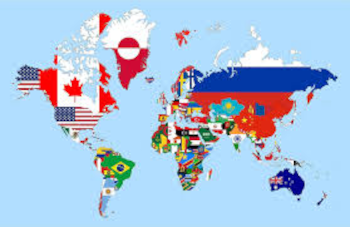
A country is an area of land with defined borders and government that operates as a sovereign state. They can also be referred to as states with limited recognition, constituent countries, or dependent territories, with their own government. A country may consist of multiple nations, a structure known as a multinational state. Countries are often distinguished as developing countries or developed countries.
Croatia - Category
Author: Greg Loucks
Hits: 248
Synonyms: Hrvatska, Republic of Croatia, Republika Hrvatska
Hits: 248
Synonyms: Hrvatska, Republic of Croatia, Republika Hrvatska
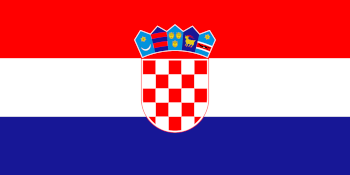
Croatia, officially the Republic of Croatia, is a country in Central and Southeast Europe, on the coast of the Adriatic Sea. It borders Slovenia to the northwest, Hungary to the northeast, Serbia to the east, Bosnia and Herzegovina and Montenegro to the southeast, and shares a maritime border with Italy to the west. Its capital and largest city, Zagreb, forms one of the country's primary subdivisions, with twenty counties. Other major urban centers include Split, Rijeka and Osijek. The country spans 56,594 square kilometres (21,851 square miles), and has a population of nearly 3.9 million.
Cuba - Category
Author: Greg Loucks
Hits: 190
Synonyms: Republic of Cuba, República de Cuba
Hits: 190
Synonyms: Republic of Cuba, República de Cuba
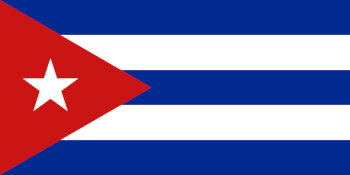
Cuba, officially the Republic of Cuba, is an island country in the Caribbean. It comprises the eponymous main island as well as 4,195 islands, islets, and cays. Situated at the convergence of the Caribbean Sea, Gulf of Mexico, and Atlantic Ocean, Cuba is located east of the Yucatán Peninsula, south of both Florida and the Bahamas, west of Hispaniola, and north of Jamaica and the Cayman Islands. Havana is the largest city and capital. Cuba is the third-most populous country in the Caribbean after Haiti and Dominican Republic, with about 10 million inhabitants. It is the largest country in the Caribbean by area. Culturally, Cuba is considered part of Latin America.
Curaçao - Category
Author: Greg Loucks
Hits: 97
Synonyms: Kòrsou
Hits: 97
Synonyms: Kòrsou
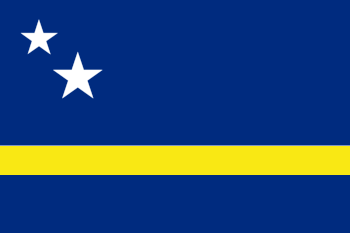
Curaçao, officially the Country of Curaçao, is a constituent island country within the Kingdom of the Netherlands, located in the southern Caribbean Sea (specifically the Dutch Caribbean region), about 65 km (40 mi) north of Venezuela and 80 km (50 mi) southeast of Aruba. Curaçao includes the main island of Curaçao, and the much smaller, uninhabited island of Klein Curaçao ("Little Curaçao").
Cyprus - Category
Author: Greg Loucks
Hits: 252
Synonyms: Κύπρος, Kıbrıs, Republic of Cyprus, Κυπριακή Δημοκρατία, Kıbrıs Cumhuriyeti
Hits: 252
Synonyms: Κύπρος, Kıbrıs, Republic of Cyprus, Κυπριακή Δημοκρατία, Kıbrıs Cumhuriyeti
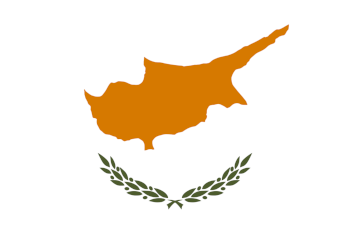
Cyprus, officially the Republic of Cyprus, is an island country in the eastern Mediterranean Sea, located off the coast of the Levant in West Asia. Cyprus’ capital is Nicosia, while its largest municipality is Limassol. The northeast portion of the island is occupied by Turkey, which is separated from the Republic of Cyprus by the United Nations Buffer Zone. In the south of the island of Cyprus are the British sovereign military bases of Akrotiri and Dhekelia. The island is the third largest and third most populous in the Mediterranean, after Sicily and Sardinia.
Czech Republic - Category
Author: Greg Loucks
Hits: 160
Synonyms: Czechia, Česko, Czech Republic, Česká republika
Hits: 160
Synonyms: Czechia, Česko, Czech Republic, Česká republika
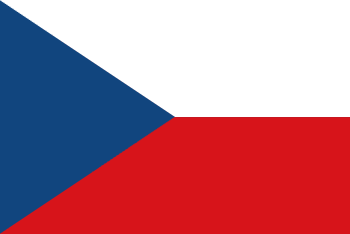
The Czech Republic (Czech: Česká republika, pronounced [ˈtʃɛskaː ˈrɛpuˌblɪka] ( listen)), otherwise referred to as Czechia (Czech: Česko), is a country in Central Europe. The capital and biggest city is Prague (Czech: Praha, pronounced [ˈpraha]). The currency is the Czech Crown (koruna česká - CZK). €1 is about 23 CZK. The president of Czechia is Petr Pavel. Czechia's population is about 10.5 million.
Czechia - Category
Author: Greg Loucks
Hits: 142
Synonyms: Czechia, Česko, Czech Republic, Česká republika
Hits: 142
Synonyms: Czechia, Česko, Czech Republic, Česká republika
The Czech Republic (Czech: Česká republika, pronounced [ˈtʃɛskaː ˈrɛpuˌblɪka] ( listen)), otherwise referred to as Czechia (Czech: Česko), is a country in Central Europe. The capital and biggest city is Prague (Czech: Praha, pronounced [ˈpraha]). The currency is the Czech Crown (koruna česká - CZK). €1 is about 23 CZK. The president of Czechia is Petr Pavel. Czechia's population is about 10.5 million.
Delaware - Category
Author: Greg Loucks
Hits: 182
Hits: 182
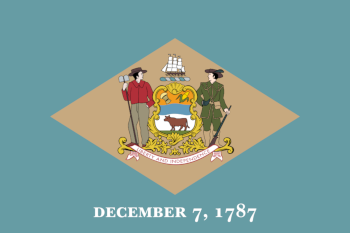
Delaware (/ˈdɛləwɛər/ ⓘ DEL-ə-wair)[10] is a state in the Mid-Atlantic and South Atlantic regions of the United States. It borders Maryland to its south and west, Pennsylvania to its north, New Jersey to its northeast, and the Atlantic Ocean to its east. The state's name derives from the adjacent Delaware Bay, which in turn was named after Thomas West, 3rd Baron De La Warr, an English nobleman and the Colony of Virginia's first colonial-era governor.
Democratic Republic of the Congo - Category
Author: Greg Loucks
Hits: 250
Synonyms: République démocratique du Congo, Repubilika ya Kôngo ya Dimokalasi, Republíki ya Kongó Demokratíki, Jamhuri ya Kidemokrasia ya Kongo, Ditunga dia Kongu wa Mungalaata, جمهورية الكونغو الديمقراطية
Hits: 250
Synonyms: République démocratique du Congo, Repubilika ya Kôngo ya Dimokalasi, Republíki ya Kongó Demokratíki, Jamhuri ya Kidemokrasia ya Kongo, Ditunga dia Kongu wa Mungalaata, جمهورية الكونغو الديمقراطية
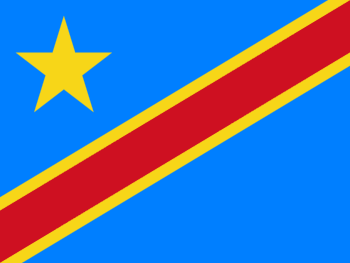
The Democratic Republic of the Congo (DRC), also known as the DR Congo, Congo-Kinshasa, or simply the Congo, or less often Zaire, is a country in Central Africa. By land area, it is the second-largest country in Africa and the 11th-largest in the world. With a population of around 112 million, the DR Congo is the fourth-most populous in Africa and most populous Francophone country in the world. French is the official and most widely spoken language, though there are over 200 indigenous languages. The capital, largest city, and economic center is Kinshasa. The DRC is bordered by the Republic of the Congo, the Cabinda exclave of Angola, and the South Atlantic Ocean to the west; the Central African Republic and South Sudan to the north; Uganda, Rwanda, Burundi, and Tanzania (across Lake Tanganyika) to the east; and Zambia and Angola to the south. Centered on the Congo Basin, most of the country's terrain is covered by dense rainforests and is crossed by many rivers, while the east and southeast are mountainous.
Denmark - Category
Author: Greg Loucks
Hits: 248
Synonyms: Danmark, Kingdom of Denmark, Kongeriget Danmark
Hits: 248
Synonyms: Danmark, Kingdom of Denmark, Kongeriget Danmark
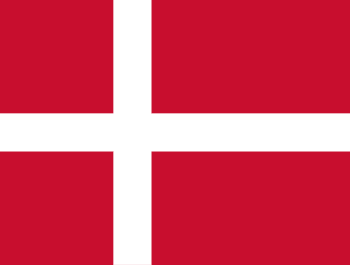
Denmark is a Nordic country in Northern Europe. It is the metropole and most populous constituent of the Kingdom of Denmark, also known as the Danish Realm, a constitutionally unitary state that includes the autonomous territories of the Faroe Islands and Greenland in the north Atlantic Ocean. Metropolitan Denmark, also called "continental Denmark" or "Denmark proper", consists of the northern Jutland peninsula and an archipelago of 406 islands. It is the southernmost of the Scandinavian countries, lying southwest of Sweden, south of Norway, and north of Germany, with which it shares a short border. Denmark proper is situated between the North Sea to the west and the Baltic Sea to the east.
Djibouti - Category
Author: Greg Loucks
Hits: 229
Synonyms: جيبوتي, Jabuuti, Gabuuti, Republic of Djibouti, République de Djibouti, جمهورية جيبوتي, Jamhuuriyadda Jabuuti, Gabuutih Ummuuno
Hits: 229
Synonyms: جيبوتي, Jabuuti, Gabuuti, Republic of Djibouti, République de Djibouti, جمهورية جيبوتي, Jamhuuriyadda Jabuuti, Gabuutih Ummuuno
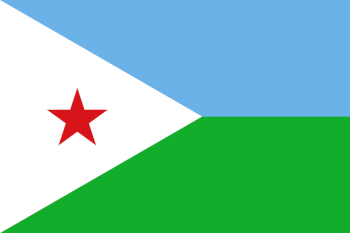
Djibouti (officially called the Republic of Djibouti) is a country on the eastern coast of Africa. The capital city is also called Djibouti.
Dominica - Category
Author: Greg Loucks
Hits: 193
Synonyms: Commonwealth of Dominica
Hits: 193
Synonyms: Commonwealth of Dominica
Dominica, officially the Commonwealth of Dominica, is an island country in the Caribbean. It is part of the Windward Islands chain in the Lesser Antilles archipelago in the Caribbean Sea. The capital, Roseau, is located on the western side of the island. Dominica's closest neighbours are two constituent territories of the European Union, both overseas departments of France: Guadeloupe to the northwest and Martinique to the south-southeast. Dominica comprises a land area of 750 km2 (290 sq mi), and the highest point is Morne Diablotins, at 1,448 m (4,751 ft) in elevation. The population was 71,293 at the 2011 census.
Dominican Republic - Category
Author: Greg Loucks
Hits: 217
Synonyms: República Dominicana
Hits: 217
Synonyms: República Dominicana
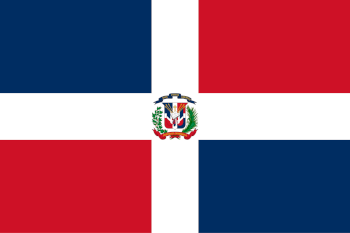
The Dominican Republic is a country on the Caribbean island of Hispaniola in the Greater Antilles of the Caribbean Sea in the North Atlantic Ocean. It shares a maritime border with Puerto Rico to the east and a land border with Haiti to the west, occupying the eastern five-eighths of Hispaniola which, along with Saint Martin, is one of only two islands in the Caribbean shared by two sovereign states. In the Antilles, the country is the second-largest nation by area after Cuba at 48,671 square kilometers (18,792 sq mi) and second-largest by population after Haiti with approximately 11.4 million people in 2024, of whom 3.6 million reside in the metropolitan area of Santo Domingo, the capital city.
East Timor - Category
Author: Greg Loucks
Hits: 241
Synonyms: Timor-Leste, Democratic Republic of Timor-Leste, República Democrática de Timor-Leste, Repúblika Demokrátika Timór Lorosa'e
Hits: 241
Synonyms: Timor-Leste, Democratic Republic of Timor-Leste, República Democrática de Timor-Leste, Repúblika Demokrátika Timór Lorosa'e
Timor-Leste, also known as East Timor, officially the Democratic Republic of Timor-Leste, is a country in Southeast Asia. It comprises the eastern half of the island of Timor, the coastal exclave of Oecusse in the island's northwest, and the islands of Atauro and Jaco, for a total land area of 14,950 square kilometres (5,770 sq mi). Timor-Leste shares a land border with Indonesia to the west; Australia is the country's southern neighbour, across the Timor Sea. Dili, on the north coast of Timor, is its capital and largest city.
Easter Island - Category
Author: Greg Loucks
Hits: 117
Synonyms: Isla de Pascua, Rapa Nui
Hits: 117
Synonyms: Isla de Pascua, Rapa Nui
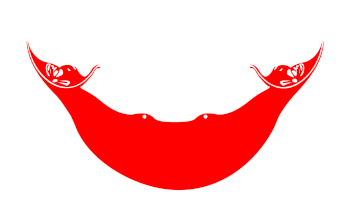
Easter Island (Spanish: Isla de Pascua, [ˈizla ðe ˈpaskwa]; Rapa Nui: Rapa Nui, [ˈɾapa ˈnu.i]) is an island and special territory of Chile in the southeastern Pacific Ocean, at the southeasternmost point of the Polynesian Triangle in Oceania. The island is renowned for its nearly 1,000 extant monumental statues, called moai, which were created by the early Rapa Nui people. In 1995, UNESCO named Easter Island a World Heritage Site, with much of the island protected within Rapa Nui National Park. Easter Island is also the only territory in Polynesia where Spanish is an official language.
Search
Subscribe
Donate


Your Statistics
For the care and safety of this prayer space, we gently record the time and location of each visit. This helps us protect sincerity while preserving anonymity.
Your Date and Time
IP Addres:
216.73.217.122
System
- OS Linux n
- PHP 8.3.31
- MySQLi 10.6.26-MariaDB
- Time 01:53
- Caching Disabled
- Gzip Disabled
- Users 305
- Articles 315
- Articles View Hits 27507
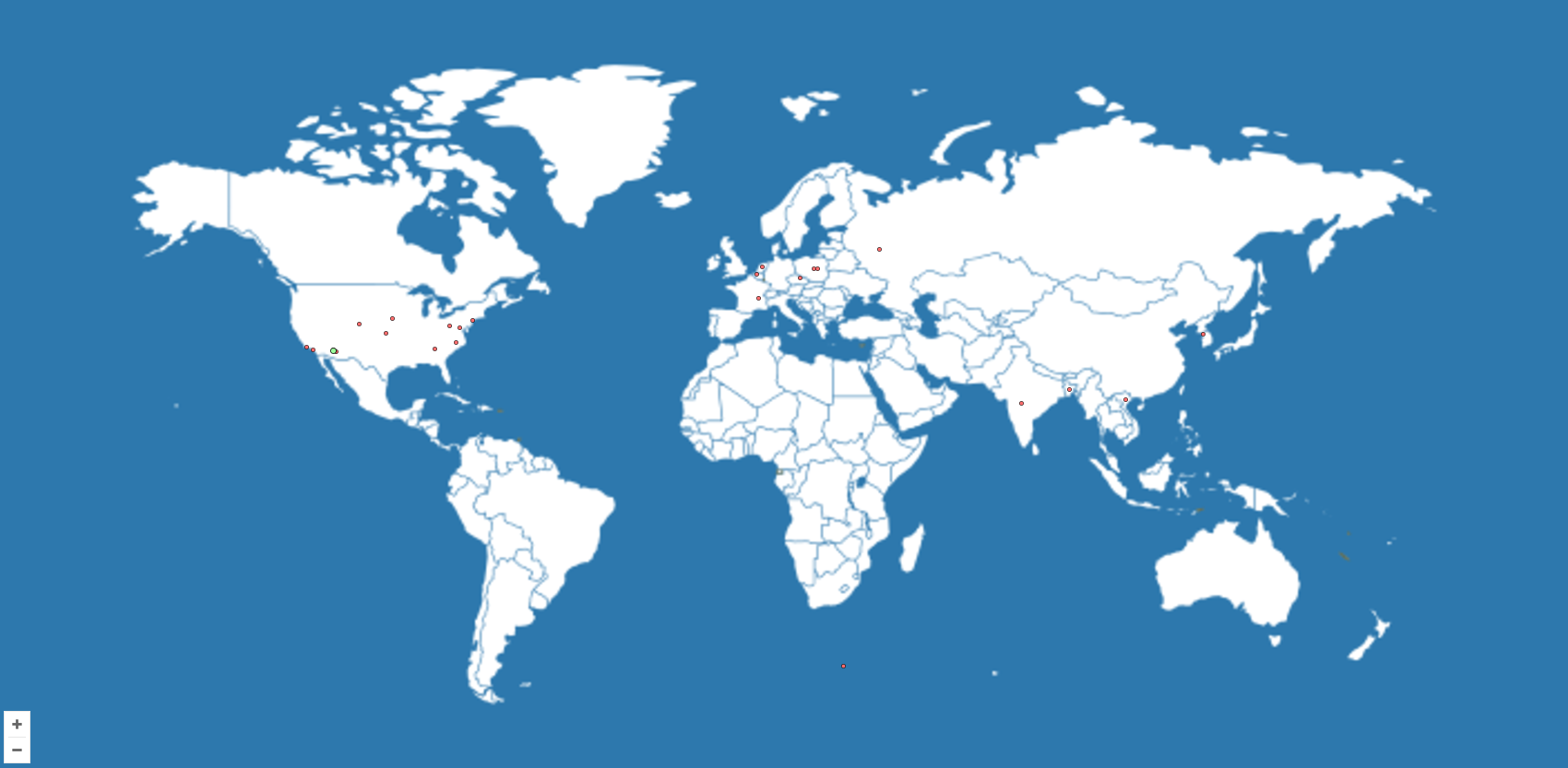
Website Visitors Map
About Greg Loucks
Greg Loucks is a writer, poet, filmmaker, musician, and graphic designer, as well as a creative visionary and faith-driven storyteller working at the intersection of language, meaning, and human connection. Born and raised in Phoenix, Arizona, he has lived in Cincinnati, Ohio; Hot Springs, Arkansas; Williams, Arizona; and Flagstaff, Arizona—each place shaping his perspective, resilience, and creative voice.

Address:
United States of America and Europe
Phone Numbers:
Arizona: (928) 563-GREG (4734)
Tennessee: (615) 899-GREG (4734)
Toll-Free: 888-457-GREG (4734)
