




📚 Categories


📚 Categories
Categories
Glossaries
Cabo Verde - Category
Author: Greg Loucks
Hits: 314
Synonyms: Republic of Cape Verde, Cabo Verde, Republic of Cabo Verde, República de Cabo Verde, Repúblika di Kabu Verdi
Hits: 314
Synonyms: Republic of Cape Verde, Cabo Verde, Republic of Cabo Verde, República de Cabo Verde, Repúblika di Kabu Verdi
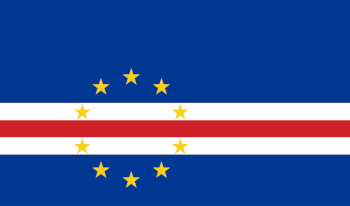
Cape Verde or Cabo Verde, officially the Republic of Cabo Verde, is an island country and archipelagic state in the central Atlantic Ocean off the coast of West Africa. It consists of ten volcanic islands with a combined land area of about 4,033 square kilometres (1,557 sq mi). These islands lie between 600 and 850 kilometres (370 and 530 miles) west of Cap-Vert, the westernmost point of continental Africa, after which it is named. Cape Verde forms part of the Macaronesia ecoregion, along with the Azores, the Canary Islands, Madeira and the Savage Isles.
California - Category
Author: Greg Loucks
Hits: 233
Hits: 233
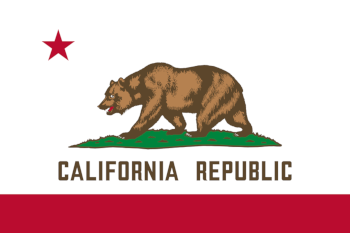
California (/ˌkælɪˈfɔːrniə/) is a state in the Western United States that lies on the Pacific Coast. It borders Oregon to the north, Nevada and Arizona to the east, and shares an international border with the Mexican state of Baja California to the south. With almost 40 million residents across an area of 163,696 square miles (423,970 km2), it is the largest state by population, third-largest state by area and the largest state economy in the U.S., with a GDP of approximately $4.3 trillion.
Cambodia - Category
Author: Greg Loucks
Hits: 281
Synonyms: Kampuchea, កម្ពុជា។, Kingdom of Cambodia, ព្រះរាជាណាចក្រកម្ពុជា។
Hits: 281
Synonyms: Kampuchea, កម្ពុជា។, Kingdom of Cambodia, ព្រះរាជាណាចក្រកម្ពុជា។
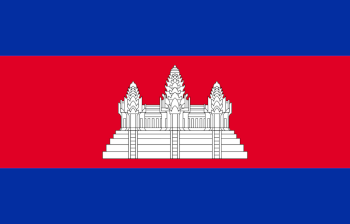
Cambodia, officially the Kingdom of Cambodia, is a country in Mainland Southeast Asia. It is bordered by Thailand to the northwest, Laos to the north, and Vietnam to the east, and has a coastline along the Gulf of Thailand in the southwest. It spans an area of 181,035 square kilometres (69,898 square miles), dominated by a low-lying plain and the confluence of the Mekong river and Tonlé Sap, Southeast Asia's largest lake. It is dominated by a tropical climate. Cambodia has a population of about 17 million people, the majority of which are ethnically Khmer. Its capital and most populous city is Phnom Penh, followed by Siem Reap and Battambang.
Cameroon - Category
Author: Greg Loucks
Hits: 283
Synonyms: Cameroun, Republic of Cameroon, République du Cameroun
Hits: 283
Synonyms: Cameroun, Republic of Cameroon, République du Cameroun
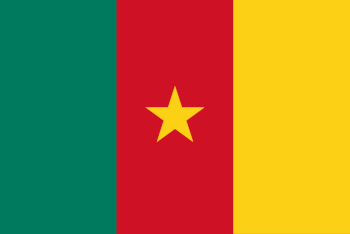
Cameroon, officially the Republic of Cameroon, is a country in Central Africa. It shares boundaries with Nigeria to the west and north, Chad to the northeast, the Central African Republic to the east, and Equatorial Guinea, Gabon, and the Republic of the Congo to the south. Its coastline lies on the Bight of Biafra, part of the Gulf of Guinea, and the Atlantic Ocean. Due to its strategic position at the crossroads between West Africa and Central Africa, it has been categorized as being in both geostrategic locations. Cameroon's population of nearly 31 million people speak 250 native languages, in addition to the national tongues of English and French. The capital city of the country is Yaoundé.
Canada - Category
Author: Greg Loucks
Hits: 267
Hits: 267
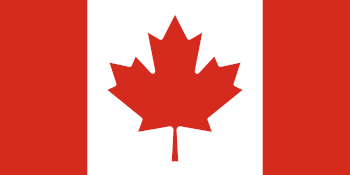
Canada is a country in North America. Its ten provinces and three territories extend from the Atlantic Ocean to the Pacific Ocean and northward into the Arctic Ocean, making it the second-largest country by total area, with the longest coastline of any country. Its border with the United States is the longest international land border. The country is characterized by a wide range of both meteorologic and geological regions. With a population of over 41 million, it has widely varying population densities, with the majority residing in its urban areas and large areas being sparsely populated. Canada's capital is Ottawa and its three largest metropolitan areas are Toronto, Montreal, and Vancouver.
Canary Islands - Category
Author: Greg Loucks
Hits: 155
Synonyms: Islas Canarias
Hits: 155
Synonyms: Islas Canarias
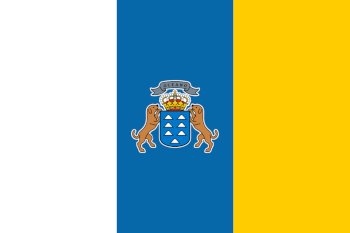
The Canary Islands (/kəˈnɛəri/ ⓘ; Spanish: Canarias [kaˈnaɾjas] ⓘ) or Canaries are an archipelago in the Atlantic Ocean and the southernmost autonomous community of Spain, located about 100 kilometres (60 mi) off the northwest coast of Africa. The archipelago has a population of approximately 2.27 million inhabitants, making it the most populous overseas special territory of the European Union.
Cape Verde - Category
Author: Greg Loucks
Hits: 280
Synonyms: Republic of Cape Verde, Cabo Verde, Republic of Cabo Verde, República de Cabo Verde, Repúblika di Kabu Verdi
Hits: 280
Synonyms: Republic of Cape Verde, Cabo Verde, Republic of Cabo Verde, República de Cabo Verde, Repúblika di Kabu Verdi
Cape Verde or Cabo Verde, officially the Republic of Cabo Verde, is an island country and archipelagic state in the central Atlantic Ocean off the coast of West Africa. It consists of ten volcanic islands with a combined land area of about 4,033 square kilometres (1,557 sq mi). These islands lie between 600 and 850 kilometres (370 and 530 miles) west of Cap-Vert, the westernmost point of continental Africa, after which it is named. Cape Verde forms part of the Macaronesia ecoregion, along with the Azores, the Canary Islands, Madeira and the Savage Isles.
Cayman Islands - Category
Author: Greg Loucks
Hits: 263
Hits: 263
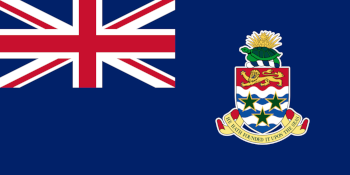
The Cayman Islands (/ˈkeɪmən/) is a self-governing British Overseas Territory in the western Caribbean. It is the largest by population of all the British Overseas Territories. The 264-square-kilometre (102-square-mile) territory comprises the three islands of Grand Cayman, Cayman Brac and Little Cayman, which are located south of Cuba and north-east of Honduras, between Jamaica and Mexico's Yucatán Peninsula. The capital city is George Town on Grand Cayman, which is the most populous of the three islands.
Central African Republic - Category
Author: Greg Loucks
Hits: 269
Synonyms: CAR, République centrafricaine, Ködörösêse tî Bêafrîka, جمهورية أفريقيا الوسطى
Hits: 269
Synonyms: CAR, République centrafricaine, Ködörösêse tî Bêafrîka, جمهورية أفريقيا الوسطى
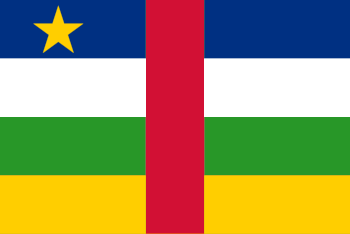
The Central African Republic is a landlocked country located in Central Africa. It is bordered by Chad to the north, Sudan to the northeast, South Sudan to the east, the Democratic Republic of the Congo to the south, the Republic of the Congo to the southwest, and Cameroon to the west. The Central African Republic covers a land area of about 620,000 square kilometres (240,000 sq mi). As of 2024, it has a population of 5,357,744, consisting of about 80 ethnic groups. Having been a French colony under the name Ubangi-Shari, French is its official language, with Sango, a Ngbandi-based creole language, as the national and co-official language. Its capital and largest city is Bangui, which is on the southern border with the Democratic Republic of the Congo.
Central Papua - Category
Author: Greg Loucks
Hits: 44
Synonyms: Papua Tengah, Mee Pago – Saireri, Province of Central Papua, Provinsi Papua Tengah
Hits: 44
Synonyms: Papua Tengah, Mee Pago – Saireri, Province of Central Papua, Provinsi Papua Tengah
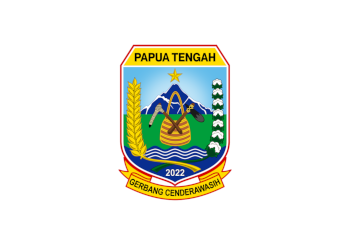
Central Papua, officially the Central Papua Province (Indonesian: Provinsi Papua Tengah), is an Indonesian province located in the central region of Western New Guinea. It was formally established on 25 July 2022 from the former eight western regencies of the province of Papua. It covers an area of 61,072.91 km2 and had an officially estimated population of 1,472,910 in mid 2024 (comprising 784,670 males and 688,240 females). It is bordered by the Indonesian provinces of West Papua to the west, the province of Papua to the north and northeast, by Highland Papua to the east, and by South Papua to the southeast. The administrative capital is located in Wanggar District in Nabire Regency, although Timika (in Mimika Regency) is a larger town. Its traditional name is Mee Pago – Saireri.
Ceuta - Category
Author: Greg Loucks
Hits: 168
Hits: 168
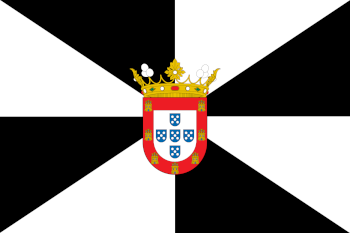
Ceuta (UK: /ˈsjuːtə/, US: /ˈseɪuːtə/, Spanish: [ˈθewta, ˈsewta] ⓘ; Moroccan Arabic: سَبْتَة, romanized: Sabtah) is an autonomous city of Spain on the North African coast. Bordered by Morocco, it lies along the boundary between the Mediterranean Sea and the Atlantic Ocean. Ceuta is one of the special member state territories of the European Union.
Chad - Category
Author: Greg Loucks
Hits: 228
Synonyms: Tchad, تشاد, Republic of Chad, République du Tchad, جمهورية تشاد
Hits: 228
Synonyms: Tchad, تشاد, Republic of Chad, République du Tchad, جمهورية تشاد
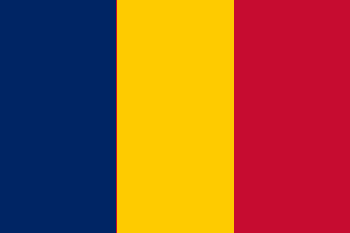
Chad, officially the Republic of Chad, is a landlocked country in Central Africa. It is bordered by Libya to the north, Sudan to the east, the Central African Republic to the south, Cameroon to the southwest, Nigeria to the southwest (at Lake Chad), and Niger to the west. Chad has a population of 19 million, of which 1.6 million live in the capital and largest city of N'Djamena. With a total area of around 1,300,000 km2 (500,000 sq mi), Chad is the fifth-largest country in Africa and the twentieth largest nation by area.
Chile - Category
Author: Greg Loucks
Hits: 247
Synonyms: Republic of Chile, República de Chile
Hits: 247
Synonyms: Republic of Chile, República de Chile
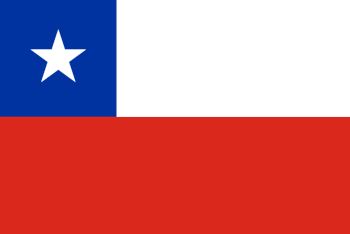
Chile, officially the Republic of Chile, is a country in western South America. It is the southernmost country in the world and the closest to Antarctica, extending along a narrow strip of land between the Andes Mountains and the Pacific Ocean. According to the 2024 census, Chile had an enumerated population of 18.5 million. The country covers a territorial area of 756,102 square kilometers (291,933 sq mi), sharing borders with Peru to the north, Bolivia to the northeast, Argentina to the east, and the Drake Passage to the south. It also administers several Pacific islands, including Juan Fernández, Isla Salas y Gómez, Desventuradas, and Easter Island, and claims about 1,250,000 square kilometers (480,000 sq mi) of Antarctica as the Chilean Antarctic Territory. The capital and largest city is Santiago, and the national language is Spanish.
China - Category
Author: Greg Loucks
Hits: 296
Synonyms: 中国, 中國, People's Republic of China, 中华人民共和国, 中華人民共和國
Hits: 296
Synonyms: 中国, 中國, People's Republic of China, 中华人民共和国, 中華人民共和國
China, officially the People's Republic of China (PRC), is a country in East Asia. It is the second-most populous country after India, with a population exceeding 1.4 billion, representing 17% of the world's population. China borders fourteen countries by land across an area of 9.6 million square kilometers (3,700,000 sq mi), making it the third-largest country by area. The country is divided into 33 province-level divisions: 22 provinces, 5 autonomous regions, 4 municipalities, and 2 semi-autonomous special administrative regions. Beijing is the capital, while Shanghai is the most populous city by urban area and largest financial center.
Christian Bands - Category
Author: Greg Loucks
Hits: 39
Synonyms: Christian band, Christian artist, Christian artists, Christian singer, Christian singers, Christian musician, Christian musicians
Hits: 39
Synonyms: Christian band, Christian artist, Christian artists, Christian singer, Christian singers, Christian musician, Christian musicians
Christian bands are musical groups whose members profess Christian faith or who produce music with lyrical themes rooted in Christianity, encompassing genres from rock and metal to pop and hip-hop. These bands often operate within the contemporary Christian music industry, appearing on specialized charts and at festivals, though many also achieve mainstream crossover success.
Search
Subscribe
Donate


Your Statistics
For the care and safety of this prayer space, we gently record the time and location of each visit. This helps us protect sincerity while preserving anonymity.
Your Date and Time
IP Addres:
216.73.216.138
System
- OS Linux n
- PHP 8.3.31
- MySQLi 10.6.27-MariaDB
- Time 18:15
- Caching Disabled
- Gzip Disabled
- Users 406
- Articles 314
- Articles View Hits 31067
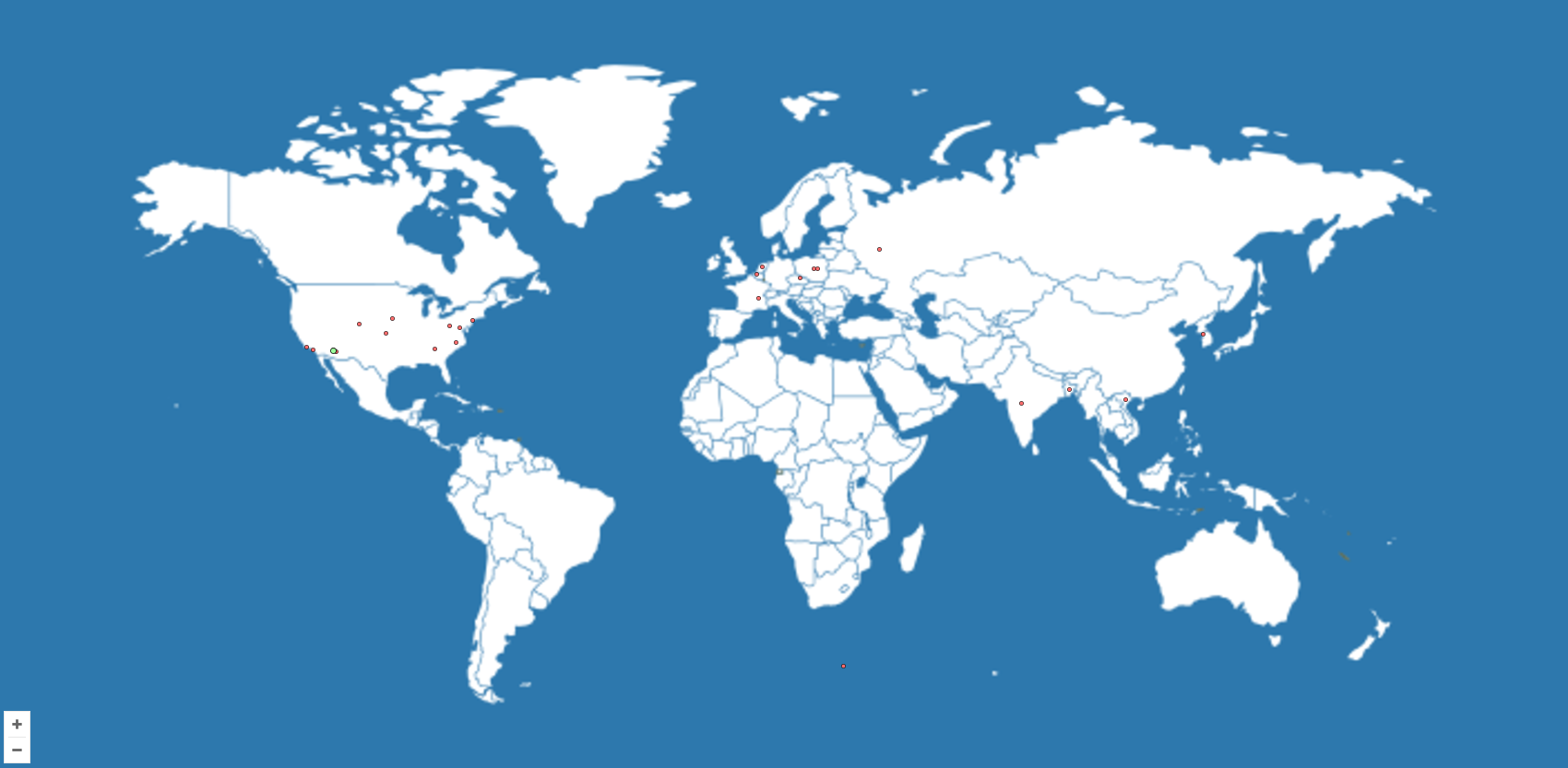
Website Visitors Map
About Greg Loucks
Greg Loucks is a writer, poet, filmmaker, musician, and graphic designer, as well as a creative visionary and faith-driven storyteller working at the intersection of language, meaning, and human connection. Born and raised in Phoenix, Arizona, he has lived in Cincinnati, Ohio; Hot Springs, Arkansas; Williams, Arizona; and Flagstaff, Arizona—each place shaping his perspective, resilience, and creative voice.

Address:
United States of America and Europe
Phone Numbers:
Arizona: (928) 563-GREG (4734)
Tennessee: (615) 899-GREG (4734)
Toll-Free: 888-457-GREG (4734)
