


Post

The gift of teaching rarely draws crowds or headlines. It does not usually come with dramatic manifestations or emotional moments. Yet Scripture treats teaching as one of the most essential gifts in the life of the Church.
Where teaching is weak, confusion grows.
Where teaching is absent, deception spreads.
Where teaching is faithful, believers mature.
The Church does not collapse from a lack of passion—it collapses from a lack of understanding.
The Biblical Foundation of Teaching
Teaching is not a modern invention or a secondary function. It is central to God’s design for spiritual growth.
Jesus Himself was called Teacher more than any other title:
“Rabbi (which means Teacher).”
(John 1:38)
After Pentecost, the early Church devoted itself to teaching:
“They devoted themselves to the apostles’ teaching…”
(Acts 2:42)
Paul places teaching among the core ministries:
“He gave the apostles, the prophets, the evangelists, the shepherds and teachers…”
(Ephesians 4:11)
Teaching is not optional—it is structural.
What the Gift of Teaching Is
The gift of teaching is the Spirit-enabled ability to:
-
Explain Scripture accurately
-
Clarify doctrine
-
Connect truth coherently
-
Communicate in a way that produces understanding
-
Help others apply God’s Word faithfully
Teaching does not merely convey information—it forms discernment.
What the Gift of Teaching Is Not
Teaching is not:
-
Simply public speaking
-
Personal opinion
-
Motivational storytelling
-
Intellectual dominance
-
Replacing Scripture with speculation
Good teaching draws attention to the text, not to the teacher.
Teaching and Authority
Teachers carry responsibility.
James warns:
“Not many of you should become teachers… for you know that we who teach will be judged with greater strictness.”
(James 3:1)
Teaching shapes belief.
Belief shapes action.
Action shapes lives.
That weight requires humility.
Teaching vs. Preaching
While related, they serve different functions:
-
Preaching proclaims truth and calls for response
-
Teaching explains truth and builds understanding
Preaching ignites faith.
Teaching sustains it.
Healthy churches need both.
Teaching and the Other Gifts
Teaching works best when integrated with:
-
Prophecy (revelation clarified by Scripture)
-
Wisdom (application of truth)
-
Knowledge (accuracy of content)
-
Pastoral care (sensitivity to people)
-
Evangelism (clarity for seekers)
Teaching anchors spiritual experience in truth.
Jesus as the Model Teacher
Jesus taught with:
-
Authority (Matthew 7:29)
-
Simplicity (parables)
-
Depth (Sermon on the Mount)
-
Patience (repetition)
-
Adaptability (different audiences)
He explained Scripture without diluting it.
Common Dangers in Teaching
Teaching becomes unhealthy when:
-
Scripture is cherry-picked
-
Complexity is used to impress
-
Certainty is claimed where Scripture is silent
-
Teaching becomes detached from love
-
Doctrine becomes a weapon
Truth without love hardens hearts.
Love without truth misleads minds.
Teaching Produces Stability
Paul describes the result of mature teaching:
“So that we may no longer be children, tossed to and fro by the waves and carried about by every wind of doctrine.”
(Ephesians 4:14)
Teaching provides:
-
Doctrinal stability
-
Discernment
-
Confidence in Scripture
-
Resistance to deception
Teaching and the Work of the Spirit
Teaching is not opposed to the Spirit—it is empowered by Him.
Jesus promised:
“The Helper… will teach you all things.”
(John 14:26)
Spirit-led teaching produces:
-
Clarity without pride
-
Conviction without condemnation
-
Depth without confusion
How the Gift of Teaching Grows
-
Faithfulness over time
-
Submission to Scripture
-
Willingness to be corrected
-
Careful study
-
Prayerful dependence
Teaching matures through responsibility, not spotlight.
Teaching in the Modern Church
In an age of:
-
Short attention spans
-
Soundbite theology
-
Online opinions
-
Emotional spirituality
The gift of teaching is more necessary than ever.
People do not need louder voices.
They need clear truth.
Final Thoughts
The gift of teaching does not seek applause.
It seeks understanding.
Teachers may not always be celebrated—but they are always needed.
Where teaching is strong, the Church becomes discerning.
Where teaching is faithful, believers grow deep roots.
Where teaching is biblical, Christ remains central.
And that is why the gift of teaching is not secondary—it is essential.

The interpretation of tongues is one of the least taught and most misunderstood gifts of the Spirit. It is rarely explained, often ignored, and frequently assumed to be optional.
Scripture disagrees.
Without interpretation, tongues remain private.
With interpretation, tongues become edifying for the whole body.
Paul treats this gift not as secondary—but as essential whenever tongues are expressed publicly.
The Biblical Foundation
Paul pairs the two gifts intentionally:
“To another various kinds of tongues, to another the interpretation of tongues.”
(1 Corinthians 12:10)
He later adds:
“Therefore, one who speaks in a tongue should pray that he may interpret.”
(1 Corinthians 14:13)
Interpretation is not an add-on.
It is the necessary companion to public tongues.
What Interpretation of Tongues Is
Interpretation of tongues is:
-
Spirit-given understanding of a message spoken in tongues
-
Communicated in the common language of the hearers
-
Meant to edify, instruct, or exhort
Interpretation is not translation.
A translation is word-for-word.
An interpretation conveys meaning and intent.
This is why interpretations vary in length and phrasing while still remaining faithful.
What Interpretation of Tongues Is Not
Interpretation is not:
-
A linguistic ability
-
A learned skill
-
Guesswork or emotional response
-
Automatic for everyone who speaks in tongues
It is a gift, not a technique.
How Interpretation Functions in the Church
When tongues are spoken publicly:
-
There should be silence
-
An interpretation should follow
-
The church should be edified
“If any speak in a tongue… let someone interpret.”
(1 Corinthians 14:27)
If no interpretation comes, Paul is clear:
“Let each of them keep silent in church and speak to himself and to God.”
(1 Corinthians 14:28)
This preserves both freedom and order.
Interpretation and Prophecy
Paul makes a striking comparison:
“The one who prophesies is greater than the one who speaks in tongues, unless someone interprets.”
(1 Corinthians 14:5)
Why?
Because interpreted tongues function like prophecy—they reveal God’s heart in an understandable way.
Tongues + interpretation = prophetic edification.
Who Can Interpret?
-
The same person who speaks in tongues may interpret
-
A different person may interpret
-
Interpretation may come immediately or shortly after
What matters is not who interprets—but that interpretation occurs.
Paul assumes interpretation is available within the body.
Interpretation Requires Discernment
Not every impression is interpretation.
Interpretations should:
-
Align with Scripture
-
Reflect God’s character
-
Build up rather than confuse
-
Avoid manipulation or fear
Interpretations are weighed—just like prophecy.
Common Abuses and Errors
Interpretation is mishandled when:
-
Tongues are spoken repeatedly without interpretation
-
Interpretations are used to direct personal decisions
-
Emotional intensity replaces clarity
-
Interpretation becomes theatrical or performative
Paul’s corrective was not suppression—but structure.
Why Interpretation Protects the Church
Interpretation:
-
Prevents confusion
-
Centers the body on God, not experience
-
Keeps tongues from becoming elitist
-
Ensures public worship remains edifying
Without interpretation, public tongues can alienate newcomers.
With interpretation, worship becomes inclusive.
Interpretation and Love
As with every gift, love governs interpretation.
“Let all things be done for building up.”
(1 Corinthians 14:26)
If interpretation draws attention to the interpreter rather than God, something has gone wrong.
Growing in the Gift of Interpretation
-
Stay rooted in Scripture
-
Pray for clarity, not drama
-
Practice humility and restraint
-
Submit interpretations to discernment
-
Value edification over impact
Interpretation grows in safe, accountable environments.
Final Thoughts
Tongues reveal mysteries to God.
Interpretation reveals meaning to people.
Together, they reflect God’s desire for both intimacy and understanding.
Paul did not silence tongues.
He insisted they be understood.
When interpretation is honored, tongues fulfill their purpose:
-
Worship that reaches heaven
-
Words that build the Church
And that balance is exactly what the Spirit intended.

Prophecy is one of the most desired—and most misunderstood—gifts of the Spirit. Some fear it. Others chase it. Many redefine it. And a growing number have been wounded by it.
Yet Scripture does not treat prophecy as optional, dangerous, or rare.
“Pursue love, and earnestly desire the spiritual gifts, especially that you may prophesy.”
(1 Corinthians 14:1)
The problem is not prophecy itself.
The problem is prophecy without maturity, accountability, or discernment.
The Biblical Foundation of Prophecy
Prophecy is not primarily prediction.
In Scripture, prophecy is God speaking to people through people—for specific purposes.
Paul defines its function clearly:
“The one who prophesies speaks to people for their strengthening, encouragement, and comfort.”
(1 Corinthians 14:3)
If a “prophetic word” produces fear, confusion, or pressure, it has already failed its first test.
What Prophecy Is
At its core, prophecy is:
-
Revelation from God
-
Communicated through a human vessel
-
For a specific moment, audience, or purpose
Prophecy can include:
-
Encouragement
-
Warning
-
Correction
-
Direction
-
Confirmation
But it always carries God’s heart, not just His information.
What Prophecy Is Not
Prophecy is not:
-
Fortune-telling
-
Manipulation
-
A replacement for Scripture
-
A shortcut around wisdom
-
Proof of spiritual superiority
Prophecy does not override:
-
Personal responsibility
-
Biblical counsel
-
Moral agency
-
The authority of Scripture
“Do not despise prophecies, but test everything; hold fast what is good.”
(1 Thessalonians 5:20–21)
Testing is not unbelief.
Testing is obedience.
Prophecy vs. Teaching vs. Knowledge
Prophecy reveals what God is saying now.
Teaching explains what God has already said.
Knowledge reveals what is true.
Healthy churches honor all three without confusing them.
Prophecy should illuminate Scripture—not compete with it.
New Testament Prophecy Is Different from Old Testament Prophecy
Old Testament prophets:
-
Spoke with covenantal authority
-
Represented God to the nation
-
Were held to absolute accuracy
New Testament prophecy:
-
Operates within the body
-
Is weighed and discerned
-
Is partial and progressive
“For we know in part and we prophesy in part.”
(1 Corinthians 13:9)
This is not a weakness of prophecy—it is a safeguard for the Church.
Why Prophecy Must Be Weighed
Paul commands:
“Let two or three prophets speak, and let the others weigh what is said.”
(1 Corinthians 14:29)
Prophecy is submitted, not exalted.
A prophetic culture without discernment becomes:
-
Fear-driven
-
Personality-centered
-
Resistant to correction
A prophetic culture with discernment becomes:
-
Humble
-
Grounded
-
Life-giving
Timing Matters as Much as Accuracy
A word can be true and still be wrong in timing.
Jesus told His disciples many things they could not yet bear (John 16:12).
Wisdom governs when prophecy is released.
Revelation without timing creates pressure.
Revelation with wisdom creates peace.
Personal Prophecy vs. Corporate Prophecy
Personal prophecy:
-
Encourages and confirms
-
Should never control decisions
-
Must align with Scripture and character
Corporate prophecy:
-
Calls the body to repentance or direction
-
Must be judged carefully
-
Carries broader responsibility
No prophecy replaces prayer.
No prophecy replaces relationship with God.
Prophecy and Human Fallibility
Prophets are not infallible.
Hearing God does not make someone perfect.
Peter prophesied boldly—then compromised publicly.
Paul rebuked Peter openly.
Correction does not negate calling.
Common Abuses of Prophecy Today
-
Overconfidence without accountability
-
Vague words that cannot be tested
-
Fear-based warnings lacking redemption
-
Prophecy used to elevate personalities
-
Political prophecy without repentance when wrong
When prophecy becomes untouchable, it stops being biblical.
Prophecy Anchored in Love
Paul places prophecy between two love chapters on purpose.
“If I have prophetic powers… but have not love, I am nothing.”
(1 Corinthians 13:2)
Love governs tone.
Love governs timing.
Love governs silence.
How to Grow Safely in the Gift of Prophecy
-
Stay rooted in Scripture
-
Stay submitted to community
-
Stay accountable to correction
-
Stay humble about fallibility
-
Stay focused on fruit, not impact
The goal is not to sound prophetic.
The goal is to sound like God.
Final Thoughts
Prophecy is not meant to replace discernment—it requires it.
It is not meant to bypass wisdom—it depends on it.
It is not meant to elevate voices—it is meant to serve people.
When prophecy is healthy, the Church becomes clearer—not louder.
And when prophecy is done in love, it points people not to the prophet—but to God.
The Office of the Prophet: How It Differs from the Gift of Prophecy — and Why That Difference Matters
Not everyone who prophesies is a prophet.
That single sentence, if properly understood, would resolve a large percentage of confusion, excess, and damage in modern charismatic spaces.
Scripture clearly distinguishes between the gift of prophecy, which is available to many believers, and the office of the prophet, which is a specific calling with long-term responsibility, authority, and accountability.
Failing to honor that distinction leads to spiritual imbalance—and often spiritual harm.
The Biblical Foundation of the Prophetic Office
Paul identifies the office explicitly:
“And God has appointed in the church first apostles, second prophets, third teachers…”
(1 Corinthians 12:28)
And again:
“He gave the apostles, the prophets, the evangelists, the shepherds and teachers…”
(Ephesians 4:11)
This is not a reference to a momentary gifting—it is a recognized role within the body, given by God for the maturity of the Church.
Gift vs. Office: The Essential Difference
The Gift of Prophecy
-
Can be exercised by many believers
-
Is occasional and situational
-
Operates under oversight
-
Must be weighed and tested
-
Primarily encourages, strengthens, and comforts
The Office of Prophet
-
Is a calling, not a moment
-
Carries long-term responsibility
-
Shapes direction, not just encouragement
-
Is accountable to the wider body
-
Produces fruit over time, not just words
A gift is something you operate in.
An office is something you are entrusted with.
What Defines a True Prophet (Biblically)
In Scripture, prophets are marked less by prediction and more by weight.
They consistently:
-
Call people back to God
-
Expose hidden compromise
-
Confront power structures
-
Emphasize repentance before blessing
-
Suffer rejection more than applause
“Surely the Lord God does nothing, unless He reveals His secret to His servants the prophets.”
(Amos 3:7)
But notice—revelation is paired with servanthood, not celebrity.
Prophets and Authority
The office of prophet carries authority, but not autonomy.
True prophets:
-
Submit to Scripture
-
Remain accountable to leaders
-
Accept correction
-
Do not weaponize revelation
-
Do not demand unquestioned loyalty
Even in the New Testament, prophets operated within the Church—not above it.
“The spirits of prophets are subject to prophets.”
(1 Corinthians 14:32)
Self-control is a requirement, not an option.
Old Testament vs. New Testament Prophets
Old Testament prophets:
-
Represented God directly to Israel
-
Operated under the Mosaic covenant
-
Were judged by absolute accuracy
-
Often stood alone
New Testament prophets:
-
Operate within the Body of Christ
-
Function alongside other offices
-
Speak in part, not totality
-
Are weighed and discerned
This shift does not weaken prophecy—it protects the Church.
The Burden of the Prophetic Office
Many desire the title of prophet.
Few desire the weight of it.
True prophets often experience:
-
Isolation
-
Misunderstanding
-
Rejection
-
Delayed affirmation
-
Deep personal refining
Jeremiah said:
“His word is in my heart like a fire… I am weary of holding it in.”
(Jeremiah 20:9)
The office is not glamorous—it is costly.
False Markers of the Prophetic Office
Warning signs include:
-
Constant self-promotion
-
Refusal to repent publicly
-
Immunity from correction
-
Obsession with platforms and influence
-
Prophecy aligned more with ideology than Scripture
A prophet who cannot be corrected is not prophetic—they are dangerous.
Prophets and the Other Offices
Prophets are not meant to operate alone.
They need:
-
Apostles for governance
-
Pastors for care
-
Teachers for grounding
-
Evangelists for outreach
When prophets isolate themselves, imbalance follows.
When prophets submit to community, the Church matures.
Why the Office of Prophet Still Matters Today
The Church still needs:
-
Truth spoken clearly
-
Compromise confronted lovingly
-
Direction discerned carefully
-
God’s heart revealed faithfully
But it needs true prophets, not loud voices.
How to Respond to Prophetic Authority Properly
Honor without idolizing.
Test without mocking.
Submit without surrendering discernment.
“Beloved, do not believe every spirit, but test the spirits.”
(1 John 4:1)
Testing is biblical.
Silencing is not.
Final Thoughts
The office of the prophet is not proven by accuracy alone—but by character, fruit, humility, and faithfulness over time.
Prophets are not meant to replace Scripture.
They are meant to call people back to it.
When the office is healthy, the Church becomes holy.
When it is abused, the Church becomes wounded.
And that is why understanding the difference between the gift of prophecy and the office of prophet is not optional—it is essential.
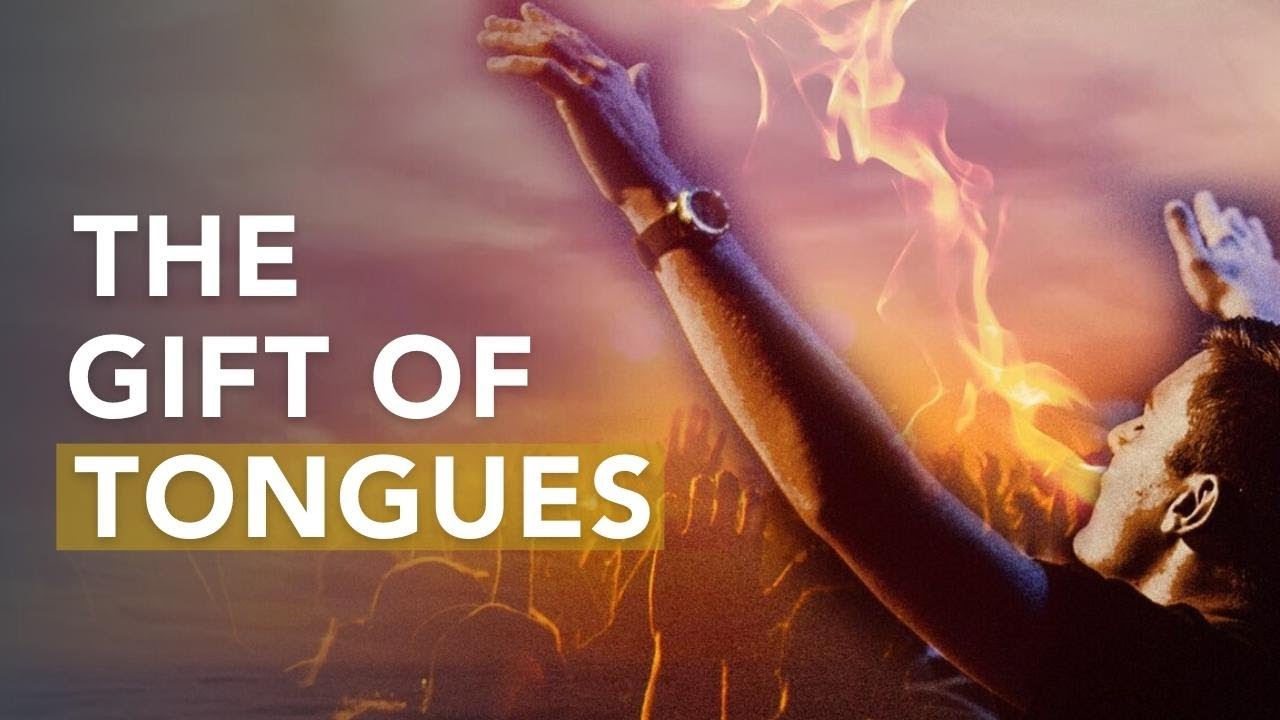
Few spiritual gifts provoke as much confusion, fear, fascination, or division as the gift of tongues. For some Christians, it is central to their spiritual life. For others, it is dismissed as emotionalism or even deception.
Yet Scripture does not treat tongues as fringe or optional.
Tongues appear:
-
At the birth of the Church
-
Throughout the New Testament
-
In Paul’s detailed teaching on spiritual gifts
The issue is not whether tongues exist.
The issue is how they are understood, practiced, and taught.
The Biblical Foundation of Tongues
The first public outpouring of tongues occurred at Pentecost:
“All of them were filled with the Holy Spirit and began to speak in other tongues as the Spirit enabled them.”
(Acts 2:4)
Tongues were not taught.
They were not coached.
They were initiated by the Spirit.
Later, tongues appear again:
-
Acts 10 (Gentiles)
-
Acts 19 (Ephesus)
-
1 Corinthians 12–14 (church instruction)
This repetition shows tongues were normative, not exceptional.
What the Gift of Tongues Is
At its core, tongues is:
-
Spirit-enabled speech
-
Expressed in a language unknown to the speaker
-
Directed either to God or to people (depending on context)
Paul explains:
“For one who speaks in a tongue speaks not to men but to God; for no one understands him, but he utters mysteries in the Spirit.”
(1 Corinthians 14:2)
Tongues are prayer and praise, not performance.
Two Primary Expressions of Tongues
1. Personal Prayer Language
This is the most common expression.
Characteristics:
-
Spoken privately
-
Directed toward God
-
Strengthens the believer
-
Does not require interpretation
Paul says:
“The one who speaks in a tongue builds up himself.”
(1 Corinthians 14:4)
This is not selfish—it is edification, just as prayer and Scripture reading are.
2. Public Tongues (with Interpretation)
When tongues are spoken publicly:
-
An interpretation is required
-
It functions similarly to prophecy
-
It edifies the body when understood
“If there is no one to interpret, let each of them keep silent in church and speak to himself and to God.”
(1 Corinthians 14:28)
Paul does not forbid tongues—he regulates them.
Tongues Are Not a Measure of Spiritual Maturity
This is crucial.
The Corinthian church spoke in tongues abundantly—and yet Paul called them immature.
Tongues indicate Spirit empowerment, not character completion.
Love, humility, and obedience matter more than manifestation.
Tongues and the Mind
Paul addresses a common concern:
“If I pray in a tongue, my spirit prays but my mind is unfruitful.”
(1 Corinthians 14:14)
This does not mean tongues are irrational.
It means they bypass cognitive formulation.
Spirit-led prayer is not mindless—it is Spirit-prioritized.
Paul models balance:
“I will pray with my spirit, but I will pray with my mind also.”
(1 Corinthians 14:15)
Do Tongues Need Interpretation Every Time?
No.
Interpretation is required only when tongues are addressed publicly to the congregation.
Private prayer does not require interpretation.
Confusing these contexts has caused unnecessary division.
Are Tongues a Sign for Believers or Unbelievers?
Paul gives a nuanced answer:
“Tongues are a sign not for believers but for unbelievers.”
(1 Corinthians 14:22)
At Pentecost, tongues functioned as a sign.
In Corinth, uncontrolled tongues caused confusion.
The difference was order and purpose.
Common Misuses and Errors
Tongues are often mishandled when:
-
People are pressured to imitate sounds
-
Tongues are elevated above all other gifts
-
Public tongues are used without interpretation
-
Tongues are treated as proof of salvation
-
Tongues replace Scripture instead of supporting it
Paul corrects abuse without suppressing the gift.
Tongues and Self-Control
The Spirit does not overpower the will.
“The spirits of prophets are subject to prophets.”
(1 Corinthians 14:32)
If someone claims “the Spirit made me do it,” Paul would disagree.
Spiritual expression always includes responsibility.
Why Tongues Still Matter Today
Tongues:
-
Strengthen prayer life
-
Increase sensitivity to the Spirit
-
Enable worship beyond language
-
Build faith during uncertainty
“I thank God that I speak in tongues more than all of you.”
(1 Corinthians 14:18)
Paul valued tongues deeply—he just valued love and order more.
Love Governs Tongues
Tongues sit between two love chapters for a reason.
Without love:
-
Tongues become noise
-
Expression becomes ego
-
Freedom becomes disorder
“If I speak in the tongues of men and of angels, but have not love, I am a noisy gong.”
(1 Corinthians 13:1)
Final Thoughts
Tongues are not strange—they are biblical.
They are not dangerous—they are powerful.
They are not mandatory—but they are available.
The gift of tongues was never meant to divide the Church.
It was meant to deepen prayer, expand worship, and build faith.
When practiced with humility, wisdom, and love, tongues remain exactly what they were at Pentecost:
A sign that God still fills people with His Spirit.

If the Word of Knowledge reveals what is, the Word of Wisdom reveals what to do about it.
This gift is often misunderstood, frequently misused, and sometimes confused with intelligence, experience, or good advice. But biblical wisdom—especially the Word of Wisdom—is none of those things by default.
It is God’s perspective applied to a specific moment, revealed by the Holy Spirit for direction, timing, and alignment with His will.
What Is the Word of Wisdom?
Paul introduces the Word of Wisdom alongside the Word of Knowledge in 1 Corinthians 12:
“To one is given the word of wisdom through the Spirit…” (1 Corinthians 12:8)
This is not general wisdom.
This is not life experience.
This is not common sense.
It is a Spirit-given insight into how God intends a situation to unfold, often revealing:
-
Timing
-
Strategy
-
Outcomes
-
Divine priorities
Where knowledge reveals facts, wisdom reveals pathways.
Biblical Examples of the Word of Wisdom
Scripture is full of moments where wisdom—not power—changed history.
Joseph in Egypt
Joseph didn’t just interpret Pharaoh’s dream (knowledge).
He gave a strategy for survival (wisdom).
“Let Pharaoh select a discerning and wise man…” (Genesis 41)
That counsel saved nations.
Solomon’s Judgment
Solomon didn’t rely on facts—he relied on insight beyond logic.
“Give me an understanding heart…” (1 Kings 3:9)
His wisdom exposed truth without violence.
Jesus and the Trap Questions
When religious leaders tried to trap Jesus politically or legally, He repeatedly answered with wisdom that disarmed the situation:
“Render to Caesar what is Caesar’s…” (Matthew 22:21)
That wasn’t evasion—it was divine precision.
Word of Wisdom vs. Wisdom as a Virtue
Scripture distinguishes between:
-
Wisdom as a lifestyle (Proverbs)
-
The Word of Wisdom as a spiritual gift (1 Corinthians)
A person can live wisely without operating in the gift.
A person can receive a Word of Wisdom without being generally wise.
That’s why the gift must be handled humbly—it is given, not owned.
What the Word of Wisdom Is NOT
The Word of Wisdom is not:
-
Giving advice without invitation
-
Quoting Scripture randomly
-
Making confident predictions
-
Declaring outcomes God has not revealed
It does not override free will.
It does not force obedience.
It does not guarantee success.
Wisdom reveals alignment, not control.
Why the Church Needs the Word of Wisdom Right Now
Many modern Christian environments are rich in:
-
Knowledge
-
Revelation
-
Prophecy
But poor in timing.
Wisdom answers questions like:
-
“Is this the right moment?”
-
“Is this battle mine?”
-
“Should I speak or stay silent?”
-
“Is obedience required now—or later?”
Without wisdom, truth can become destructive.
Jesus Himself said:
“Be wise as serpents and innocent as doves.” (Matthew 10:16)
That balance is wisdom.
When the Word of Wisdom Is Absent
Without wisdom:
-
People weaponize revelation
-
Prophecy becomes reckless
-
Discernment turns suspicious
-
Truth is spoken without love or strategy
Many church conflicts are not due to false doctrine—but true doctrine applied unwisely.
Timing matters.
Tone matters.
Audience matters.
Wisdom governs all three.
Word of Wisdom and Silence
One of the most overlooked expressions of the Word of Wisdom is knowing when not to speak.
Jesus often withheld answers.
Paul escaped cities quietly.
David waited years after anointing.
Wisdom does not rush visibility.
If revelation pushes you into impatience, it likely isn’t wisdom.
Wisdom Is Recognizable by Its Fruit
James gives a diagnostic test:
“The wisdom that comes from heaven is first pure; then peace-loving, considerate, submissive, full of mercy and good fruit, impartial and sincere.” (James 3:17)
True wisdom produces:
-
Peace, not panic
-
Clarity, not confusion
-
Stability, not urgency
If something creates chaos while claiming divine urgency, wisdom may be absent.
The Danger of Confusing Confidence with Wisdom
Confidence can be loud.
Wisdom is often quiet.
The most powerful Words of Wisdom in Scripture were often simple sentences spoken at the exact right time.
Wisdom doesn’t need to announce itself.
It proves itself through outcomes.
Practicing the Gift With Reverence
Those who operate in the Word of Wisdom should:
-
Invite accountability
-
Allow correction
-
Accept partial understanding
-
Resist absolutism
Even Solomon—who received extraordinary wisdom—eventually failed when humility left.
The gift flows best through submission.
Final Thoughts
The Word of Wisdom is not flashy.
It does not draw crowds.
It does not trend well online.
But it:
-
Preserves lives
-
Prevents disasters
-
Protects unity
-
Aligns heaven and earth
In a world overflowing with information, wisdom is the rarest and most needed gift.
Knowledge tells you what is happening.
Wisdom tells you how God wants you to respond.
And often, that response is quieter, slower, and more patient than we expect.
Word of Knowledge vs. Word of Wisdom: Knowing the Difference Changes Everything
Few spiritual gifts are more frequently confused than the Word of Knowledge and the Word of Wisdom. They are listed together, often taught together, and regularly blurred into one another—yet Scripture treats them as distinct gifts with distinct functions.
Understanding the difference is not academic. It affects:
-
How people receive ministry
-
How prophecy is handled
-
How decisions are made
-
Whether revelation builds or destroys
When these gifts are confused, revelation outruns maturity—and people get hurt.
The Biblical Foundation
Paul lists both gifts explicitly:
“To one is given through the Spirit the word of wisdom, and to another the word of knowledge according to the same Spirit.”
(1 Corinthians 12:8)
If they were the same thing, Paul would not separate them.
They work together, but they do not do the same job.
What the Word of Knowledge Is
The Word of Knowledge reveals information that the person could not have known naturally.
It often answers:
-
What is happening?
-
What has happened?
-
What is hidden?
Examples include:
-
Jesus knowing the Samaritan woman’s past (John 4)
-
Peter knowing Ananias lied (Acts 5)
-
Elisha knowing the king’s private plans (2 Kings 6)
The Word of Knowledge reveals facts.
It brings awareness, exposure, and understanding.
What the Word of Wisdom Is
The Word of Wisdom reveals God’s strategy, timing, or response for a situation.
It often answers:
-
What should be done?
-
When should action happen?
-
How does God want this handled?
Examples include:
-
Joseph’s famine plan (Genesis 41)
-
Solomon’s judgment (1 Kings 3)
-
Jesus’ answers to political traps (Matthew 22)
The Word of Wisdom reveals direction.
It brings alignment, order, and peace.
The Core Difference in One Sentence
-
Word of Knowledge = What is true
-
Word of Wisdom = What to do with the truth
You can have knowledge without wisdom—and that is often dangerous.
Why Knowledge Without Wisdom Can Harm
Revealing information without wisdom can:
-
Expose people prematurely
-
Create fear instead of faith
-
Cause shame instead of repentance
-
Spark urgency instead of obedience
Jesus often knew things He did not immediately speak.
Wisdom governs whether, when, and how knowledge should be shared.
Why Wisdom Without Knowledge Can Drift
Wisdom without knowledge can:
-
Rely on assumptions
-
Miss key details
-
Apply general principles incorrectly
-
Feel spiritual but lack accuracy
This is why the gifts are often paired—knowledge informs wisdom, wisdom governs knowledge.
How They Work Together in Healthy Ministry
In mature ministry:
-
Knowledge reveals reality
-
Wisdom reveals response
-
Love governs both
For example:
-
Knowledge: “This person is carrying unresolved grief.”
-
Wisdom: “Do not confront—pray quietly and wait.”
Or:
-
Knowledge: “This situation is rooted in pride.”
-
Wisdom: “Silence will do more than correction.”
Without wisdom, knowledge becomes blunt.
Without knowledge, wisdom becomes vague.
Common Misuses in Modern Church Culture
Mistaking Knowledge for Wisdom
People often assume that knowing something automatically gives them authority to act.
It does not.
Revelation does not equal permission.
Using Knowledge to Control
Some use revealed information to manipulate decisions or assert spiritual dominance.
That is not the Spirit—it is insecurity wearing revelation.
Confusing Confidence with Wisdom
Wisdom is not loud.
It does not rush.
It does not demand agreement.
Urgency is not always obedience.
Jesus as the Perfect Model
Jesus operated in constant knowledge and perfect wisdom.
He knew:
-
Who would betray Him
-
Who would deny Him
-
What was in people’s hearts
Yet He chose:
-
Silence in trials
-
Delay in miracles
-
Strategy over spectacle
“My time has not yet come.” (John 7:6)
That sentence alone is a masterclass in wisdom.
Discernment Is the Bridge Between Them
Discernment helps determine:
-
Is this knowledge for prayer or speech?
-
Is this wisdom for now or later?
-
Is this insight mine to carry or mine to release?
Without discernment, gifts compete instead of cooperate.
How to Grow Safely in Both Gifts
Ask different questions in prayer:
For knowledge:
“Lord, what is true here?”
For wisdom:
“Lord, how do You want me to respond?”
And always ask:
“Is this for intercession, conversation, or silence?”
God answers differently depending on the purpose.
Final Thoughts
The Church does not lack revelation.
It lacks wisdom to steward revelation well.
Knowledge reveals the situation.
Wisdom preserves the soul.
When both operate together—under love and humility—people are not just informed; they are protected.
And that is how the gifts were always meant to function.
- Discernment: The Most Needed—and Most Abused—Gift in the Church
- The Three Baptisms: Water, the Holy Spirit, and Fire: What Scripture Actually Teaches — and Why All Three Matter
- Prophecy in Modern Times: Discernment, Platforms, and the Cost of Never Being Wrong
- Soul Ties, Spiritual Warfare, and Deliverance: A Biblical Examination
Search
Subscribe
Donate


Your Statistics
For the care and safety of this prayer space, we gently record the time and location of each visit. This helps us protect sincerity while preserving anonymity.
Your Date and Time
IP Addres:
216.73.216.36
System
- OS Linux n
- PHP 8.4.17
- MySQLi 10.6.25-MariaDB-log
- Time 21:51
- Caching Disabled
- Gzip Disabled
- Users 4
- Articles 35
- Articles View Hits 1752
Website Visitors Map

About Greg Loucks
Greg Loucks is a writer, poet, filmmaker, musician, and graphic designer, as well as a creative visionary and faith-driven storyteller working at the intersection of language, meaning, and human connection. Born and raised in Phoenix, Arizona, he has lived in Cincinnati, Ohio; Hot Springs, Arkansas; Williams, Arizona; and Flagstaff, Arizona—each place shaping his perspective, resilience, and creative voice.

Address:
United States of America and Europe
Phone Numbers:
Arizona: (928) 563-GREG (4734)
Tennessee: (615) 899-GREG (4734)
Toll-Free: 888-457-GREG (4734)
