







Post

The Word of Wisdom: Heaven’s Perspective for Earthly Moments
If the Word of Knowledge reveals what is, the Word of Wisdom reveals what to do about it.
This gift is often misunderstood, frequently misused, and sometimes confused with intelligence, experience, or good advice. But biblical wisdom—especially the Word of Wisdom—is none of those things by default.
It is God’s perspective applied to a specific moment, revealed by the Holy Spirit for direction, timing, and alignment with His will.
What Is the Word of Wisdom?
Paul introduces the Word of Wisdom alongside the Word of Knowledge in 1 Corinthians 12:
“To one is given the word of wisdom through the Spirit…” (1 Corinthians 12:8)
This is not general wisdom.
This is not life experience.
This is not common sense.
It is a Spirit-given insight into how God intends a situation to unfold, often revealing:
-
Timing
-
Strategy
-
Outcomes
-
Divine priorities
Where knowledge reveals facts, wisdom reveals pathways.
Biblical Examples of the Word of Wisdom
Scripture is full of moments where wisdom—not power—changed history.
Joseph in Egypt
Joseph didn’t just interpret Pharaoh’s dream (knowledge).
He gave a strategy for survival (wisdom).
“Let Pharaoh select a discerning and wise man…” (Genesis 41)
That counsel saved nations.
Solomon’s Judgment
Solomon didn’t rely on facts—he relied on insight beyond logic.
“Give me an understanding heart…” (1 Kings 3:9)
His wisdom exposed truth without violence.
Jesus and the Trap Questions
When religious leaders tried to trap Jesus politically or legally, He repeatedly answered with wisdom that disarmed the situation:
“Render to Caesar what is Caesar’s…” (Matthew 22:21)
That wasn’t evasion—it was divine precision.
Word of Wisdom vs. Wisdom as a Virtue
Scripture distinguishes between:
-
Wisdom as a lifestyle (Proverbs)
-
The Word of Wisdom as a spiritual gift (1 Corinthians)
A person can live wisely without operating in the gift.
A person can receive a Word of Wisdom without being generally wise.
That’s why the gift must be handled humbly—it is given, not owned.
What the Word of Wisdom Is NOT
The Word of Wisdom is not:
-
Giving advice without invitation
-
Quoting Scripture randomly
-
Making confident predictions
-
Declaring outcomes God has not revealed
It does not override free will.
It does not force obedience.
It does not guarantee success.
Wisdom reveals alignment, not control.
Why the Church Needs the Word of Wisdom Right Now
Many modern Christian environments are rich in:
-
Knowledge
-
Revelation
-
Prophecy
But poor in timing.
Wisdom answers questions like:
-
“Is this the right moment?”
-
“Is this battle mine?”
-
“Should I speak or stay silent?”
-
“Is obedience required now—or later?”
Without wisdom, truth can become destructive.
Jesus Himself said:
“Be wise as serpents and innocent as doves.” (Matthew 10:16)
That balance is wisdom.
When the Word of Wisdom Is Absent
Without wisdom:
-
People weaponize revelation
-
Prophecy becomes reckless
-
Discernment turns suspicious
-
Truth is spoken without love or strategy
Many church conflicts are not due to false doctrine—but true doctrine applied unwisely.
Timing matters.
Tone matters.
Audience matters.
Wisdom governs all three.
Word of Wisdom and Silence
One of the most overlooked expressions of the Word of Wisdom is knowing when not to speak.
Jesus often withheld answers.
Paul escaped cities quietly.
David waited years after anointing.
Wisdom does not rush visibility.
If revelation pushes you into impatience, it likely isn’t wisdom.
Wisdom Is Recognizable by Its Fruit
James gives a diagnostic test:
“The wisdom that comes from heaven is first pure; then peace-loving, considerate, submissive, full of mercy and good fruit, impartial and sincere.” (James 3:17)
True wisdom produces:
-
Peace, not panic
-
Clarity, not confusion
-
Stability, not urgency
If something creates chaos while claiming divine urgency, wisdom may be absent.
The Danger of Confusing Confidence with Wisdom
Confidence can be loud.
Wisdom is often quiet.
The most powerful Words of Wisdom in Scripture were often simple sentences spoken at the exact right time.
Wisdom doesn’t need to announce itself.
It proves itself through outcomes.
Practicing the Gift With Reverence
Those who operate in the Word of Wisdom should:
-
Invite accountability
-
Allow correction
-
Accept partial understanding
-
Resist absolutism
Even Solomon—who received extraordinary wisdom—eventually failed when humility left.
The gift flows best through submission.
Final Thoughts
The Word of Wisdom is not flashy.
It does not draw crowds.
It does not trend well online.
But it:
-
Preserves lives
-
Prevents disasters
-
Protects unity
-
Aligns heaven and earth
In a world overflowing with information, wisdom is the rarest and most needed gift.
Knowledge tells you what is happening.
Wisdom tells you how God wants you to respond.
And often, that response is quieter, slower, and more patient than we expect.
Word of Knowledge vs. Word of Wisdom: Knowing the Difference Changes Everything
Few spiritual gifts are more frequently confused than the Word of Knowledge and the Word of Wisdom. They are listed together, often taught together, and regularly blurred into one another—yet Scripture treats them as distinct gifts with distinct functions.
Understanding the difference is not academic. It affects:
-
How people receive ministry
-
How prophecy is handled
-
How decisions are made
-
Whether revelation builds or destroys
When these gifts are confused, revelation outruns maturity—and people get hurt.
The Biblical Foundation
Paul lists both gifts explicitly:
“To one is given through the Spirit the word of wisdom, and to another the word of knowledge according to the same Spirit.”
(1 Corinthians 12:8)
If they were the same thing, Paul would not separate them.
They work together, but they do not do the same job.
What the Word of Knowledge Is
The Word of Knowledge reveals information that the person could not have known naturally.
It often answers:
-
What is happening?
-
What has happened?
-
What is hidden?
Examples include:
-
Jesus knowing the Samaritan woman’s past (John 4)
-
Peter knowing Ananias lied (Acts 5)
-
Elisha knowing the king’s private plans (2 Kings 6)
The Word of Knowledge reveals facts.
It brings awareness, exposure, and understanding.
What the Word of Wisdom Is
The Word of Wisdom reveals God’s strategy, timing, or response for a situation.
It often answers:
-
What should be done?
-
When should action happen?
-
How does God want this handled?
Examples include:
-
Joseph’s famine plan (Genesis 41)
-
Solomon’s judgment (1 Kings 3)
-
Jesus’ answers to political traps (Matthew 22)
The Word of Wisdom reveals direction.
It brings alignment, order, and peace.
The Core Difference in One Sentence
-
Word of Knowledge = What is true
-
Word of Wisdom = What to do with the truth
You can have knowledge without wisdom—and that is often dangerous.
Why Knowledge Without Wisdom Can Harm
Revealing information without wisdom can:
-
Expose people prematurely
-
Create fear instead of faith
-
Cause shame instead of repentance
-
Spark urgency instead of obedience
Jesus often knew things He did not immediately speak.
Wisdom governs whether, when, and how knowledge should be shared.
Why Wisdom Without Knowledge Can Drift
Wisdom without knowledge can:
-
Rely on assumptions
-
Miss key details
-
Apply general principles incorrectly
-
Feel spiritual but lack accuracy
This is why the gifts are often paired—knowledge informs wisdom, wisdom governs knowledge.
How They Work Together in Healthy Ministry
In mature ministry:
-
Knowledge reveals reality
-
Wisdom reveals response
-
Love governs both
For example:
-
Knowledge: “This person is carrying unresolved grief.”
-
Wisdom: “Do not confront—pray quietly and wait.”
Or:
-
Knowledge: “This situation is rooted in pride.”
-
Wisdom: “Silence will do more than correction.”
Without wisdom, knowledge becomes blunt.
Without knowledge, wisdom becomes vague.
Common Misuses in Modern Church Culture
Mistaking Knowledge for Wisdom
People often assume that knowing something automatically gives them authority to act.
It does not.
Revelation does not equal permission.
Using Knowledge to Control
Some use revealed information to manipulate decisions or assert spiritual dominance.
That is not the Spirit—it is insecurity wearing revelation.
Confusing Confidence with Wisdom
Wisdom is not loud.
It does not rush.
It does not demand agreement.
Urgency is not always obedience.
Jesus as the Perfect Model
Jesus operated in constant knowledge and perfect wisdom.
He knew:
-
Who would betray Him
-
Who would deny Him
-
What was in people’s hearts
Yet He chose:
-
Silence in trials
-
Delay in miracles
-
Strategy over spectacle
“My time has not yet come.” (John 7:6)
That sentence alone is a masterclass in wisdom.
Discernment Is the Bridge Between Them
Discernment helps determine:
-
Is this knowledge for prayer or speech?
-
Is this wisdom for now or later?
-
Is this insight mine to carry or mine to release?
Without discernment, gifts compete instead of cooperate.
How to Grow Safely in Both Gifts
Ask different questions in prayer:
For knowledge:
“Lord, what is true here?”
For wisdom:
“Lord, how do You want me to respond?”
And always ask:
“Is this for intercession, conversation, or silence?”
God answers differently depending on the purpose.
Final Thoughts
The Church does not lack revelation.
It lacks wisdom to steward revelation well.
Knowledge reveals the situation.
Wisdom preserves the soul.
When both operate together—under love and humility—people are not just informed; they are protected.
And that is how the gifts were always meant to function.
Related Articles
Search
Subscribe
Donate


Your Statistics
For the care and safety of this prayer space, we gently record the time and location of each visit. This helps us protect sincerity while preserving anonymity.
Your Date and Time
IP Addres:
216.73.216.26
System
- OS Linux n
- PHP 8.4.17
- MySQLi 10.6.25-MariaDB-log
- Time 15:04
- Caching Disabled
- Gzip Disabled
- Users 4
- Articles 35
- Articles View Hits 1086
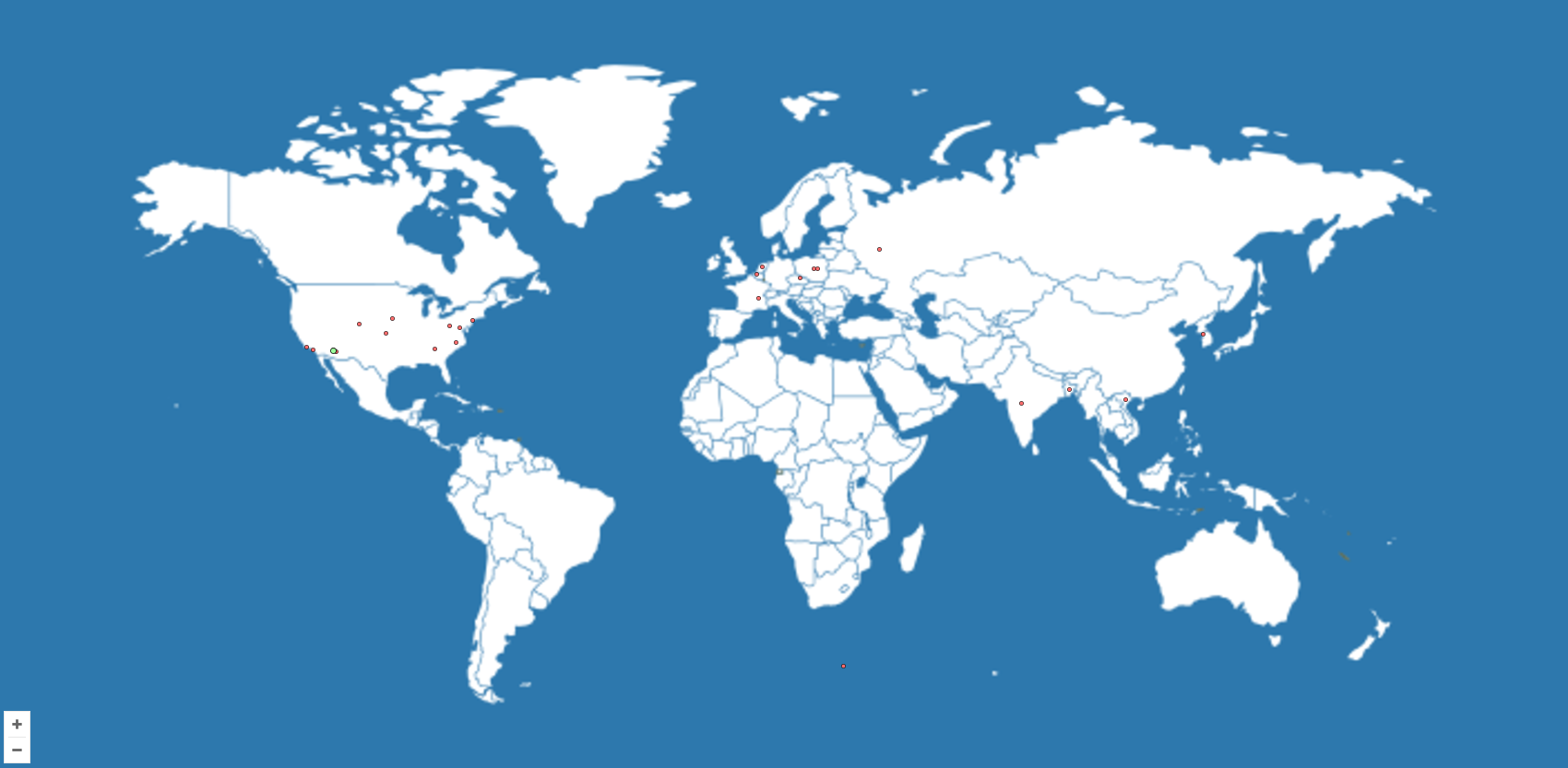
Website Visitors Map
About Greg Loucks
Greg Loucks is a writer, poet, filmmaker, musician, and graphic designer, as well as a creative visionary and faith-driven storyteller working at the intersection of language, meaning, and human connection. Born and raised in Phoenix, Arizona, he has lived in Cincinnati, Ohio; Hot Springs, Arkansas; Williams, Arizona; and Flagstaff, Arizona—each place shaping his perspective, resilience, and creative voice.

Address:
United States of America and Europe
Phone Numbers:
Arizona: (928) 563-GREG (4734)
Tennessee: (615) 899-GREG (4734)
Toll-Free: 888-457-GREG (4734)

Comments