







Post
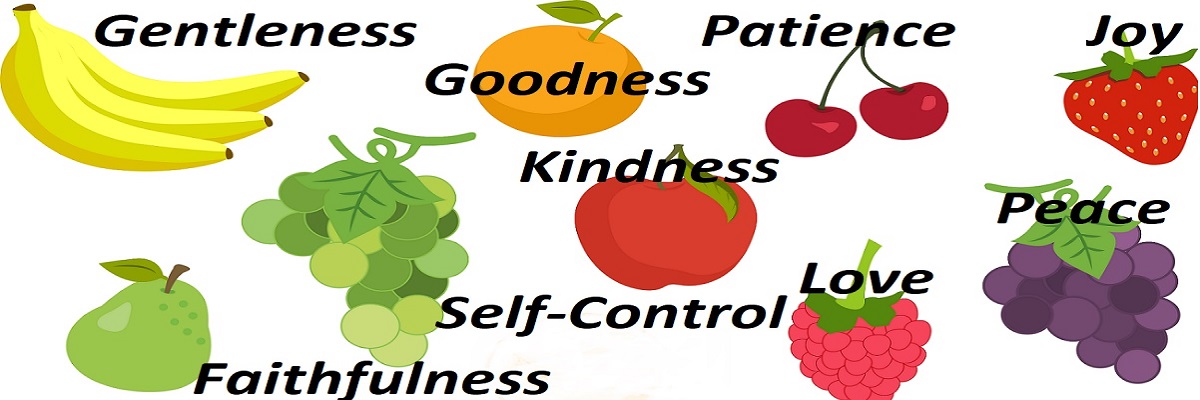
9 Fruits of the Spirit
1. Love (Agape): The Root of All Spiritual Fruit
Love is listed first because it is not merely one fruit—it is the soil from which all the others grow. Biblical love (agape) is not emotional warmth, tolerance, or affirmation. It is covenantal commitment rooted in truth.
“God is love.” (1 John 4:8)
Love reflects God’s nature, not human preference. It is sacrificial, truthful, and often costly. Jesus defined love not by feelings, but by action:
“Greater love has no one than this, than to lay down one’s life for his friends.” (John 15:13)
Love does not mean avoiding confrontation. In fact, love often requires it.
“Faithful are the wounds of a friend.” (Proverbs 27:6)
Without love, every other spiritual expression becomes noise (1 Corinthians 13). Love is the fruit that proves whether spiritual activity is God-centered or self-centered.
2. Joy: Stability That Circumstances Cannot Steal
Joy is not happiness. Happiness responds to events; joy responds to truth.
“The joy of the Lord is your strength.” (Nehemiah 8:10)
Joy flows from confidence in God’s character, not control over outcomes. Paul wrote about joy while imprisoned, beaten, and misunderstood. That alone should redefine how we understand it.
Joy does not deny suffering—it transcends it.
“Though now for a little while you may have had to suffer grief… yet you rejoice.” (1 Peter 1:6–8)
Joy is evidence that faith is rooted deeper than emotion.
3. Peace: Inner Order Under God’s Authority
Peace (shalom) is not calmness or conflict avoidance. It is alignment—the soul submitted to God’s rule.
“The peace of God… will guard your hearts and minds.” (Philippians 4:7)
Peace guards because the mind is often the battlefield. Peace grows when we surrender outcomes, expectations, and control.
Jesus promised peace not by removing trouble, but by overcoming it:
“In this world you will have tribulation. But take heart; I have overcome the world.” (John 16:33)
Peace is proof that fear is no longer in charge.
4. Patience: Strength That Endures Pressure
Biblical patience is endurance with faith—not passivity or delay.
“Let patience have its perfect work.” (James 1:4)
Patience is developed where frustration is frequent: unanswered prayer, slow growth, difficult people. God uses time to expose whether faith is genuine or transactional.
Patience matures when we stop asking “How long?” and start asking “Who am I becoming?”
“The one who endures to the end will be saved.” (Matthew 24:13)
5. Kindness: Love Made Visible
Kindness is love in motion. It reflects God’s posture toward sinners and sufferers alike.
“It is the kindness of God that leads you to repentance.” (Romans 2:4)
Kindness does not weaken truth—it delivers it safely. Jesus was kind without being permissive, and truthful without being cruel.
Kindness reveals whether our theology has softened our hearts or hardened them.
“Be kind to one another, tenderhearted.” (Ephesians 4:32)
6. Goodness: Moral Integrity in a Confused World
Goodness speaks to righteousness, integrity, and moral clarity.
“Hate what is evil; cling to what is good.” (Romans 12:9)
Goodness resists cultural compromise. It chooses obedience when rebellion is popular. Goodness requires discernment because not everything labeled “good” is godly.
“Woe to those who call evil good, and good evil.” (Isaiah 5:20)
Goodness reflects holiness without hypocrisy.
7. Faithfulness: Obedience That Outlasts Emotion
Faithfulness is consistency when excitement fades.
“It is required in stewards that one be found faithful.” (1 Corinthians 4:2)
Faithfulness proves trustworthiness over time—remaining committed when no one applauds. God measures faithfulness, not results.
Jesus praised servants who were faithful with little, not spectacular.
“Well done, good and faithful servant.” (Matthew 25:21)
Faithfulness is spiritual endurance made practical.
8. Gentleness: Strength Under Control
Gentleness is not weakness. It is restrained power modeled after Christ.
“I am gentle and lowly in heart.” (Matthew 11:29)
Gentleness governs tone, posture, and response—especially when correcting others. It allows truth to land without crushing the hearer.
Paul instructed:
“Correct opponents with gentleness.” (2 Timothy 2:25)
Gentleness proves that authority is under submission to God.
9. Self-Control: Mastery of the Inner Life
Self-control governs desires, impulses, speech, and reactions.
“Like a city broken down without walls is a man who lacks self-control.” (Proverbs 25:28)
Spiritual power without self-control leads to destruction. Self-control protects integrity and sustains freedom.
Paul disciplined himself deliberately:
“I discipline my body and bring it into subjection.” (1 Corinthians 9:27)
Self-control is not repression—it is freedom rightly governed.
Closing Thought for the Series
The Fruit of the Spirit reveals who we are becoming, not what we can do.
Gifts demonstrate power.
Fruit demonstrates Christlikeness.
And Scripture is clear: God cares deeply about both—but He prioritizes fruit.
Related Articles
Search
Subscribe
Donate


Your Statistics
For the care and safety of this prayer space, we gently record the time and location of each visit. This helps us protect sincerity while preserving anonymity.
Your Date and Time
IP Addres:
216.73.216.36
System
- OS Linux n
- PHP 8.4.17
- MySQLi 10.6.25-MariaDB-log
- Time 21:14
- Caching Disabled
- Gzip Disabled
- Users 4
- Articles 35
- Articles View Hits 1752
Website Visitors Map

About Greg Loucks
Greg Loucks is a writer, poet, filmmaker, musician, and graphic designer, as well as a creative visionary and faith-driven storyteller working at the intersection of language, meaning, and human connection. Born and raised in Phoenix, Arizona, he has lived in Cincinnati, Ohio; Hot Springs, Arkansas; Williams, Arizona; and Flagstaff, Arizona—each place shaping his perspective, resilience, and creative voice.

Address:
United States of America and Europe
Phone Numbers:
Arizona: (928) 563-GREG (4734)
Tennessee: (615) 899-GREG (4734)
Toll-Free: 888-457-GREG (4734)

Comments