






🖊️ Post
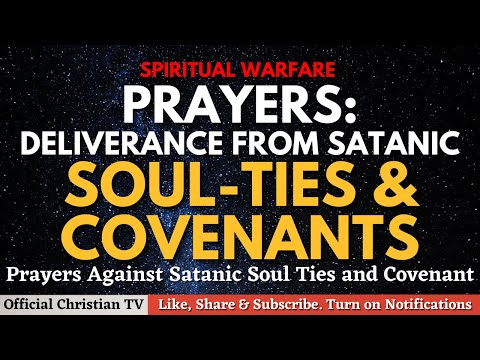
Soul Ties, Spiritual Warfare, and Deliverance: A Biblical Examination
Introduction: A Term Everyone Uses, Few Define
Few phrases in modern spiritual warfare circles are as frequently used—and as poorly defined—as soul ties. The term appears in deliverance ministries, counseling sessions, and prayer manuals, yet it does not appear explicitly in Scripture. This has led to confusion, exaggeration, and at times fear-driven practices that go far beyond what the Bible actually teaches.
This article takes a sober, Scripture-first approach. We will examine what people mean by soul ties, what the Bible actually describes, where spiritual warfare genuinely applies, and where deliverance theology must be restrained by sound doctrine.
The goal is not to dismiss spiritual realities—but to separate biblical truth from speculative mythology.
What People Mean by “Soul Ties”
In contemporary usage, a soul tie is usually described as:
-
A spiritual bond formed through sexual intimacy
-
An emotional attachment that persists after a relationship ends
-
A lingering spiritual connection enabling demonic influence
-
A bond that must be “broken” through deliverance prayer
In many teachings, soul ties are blamed for:
-
Repeated sinful cycles
-
Emotional torment or obsession
-
Difficulty moving on relationally
-
Spiritual oppression or stagnation
The problem is not that attachment exists—the problem is how it is explained and treated.
Biblical Language: What Scripture Actually Says
While the term soul tie is absent from Scripture, the Bible does speak clearly about bonding, union, covenant, and attachment.
1. God-Ordained Soul Bonding
“The two shall become one flesh.” — Genesis 2:24
This passage describes more than physical union. It implies:
-
Emotional unity
-
Spiritual covenant
-
Relational exclusivity
Marriage is the only context in which Scripture celebrates this level of union as holy and protective.
David and Jonathan are also described using language of soul connection:
“The soul of Jonathan was knit to the soul of David.” — 1 Samuel 18:1
This was not sexual—but covenantal, loyal, and righteous.
Conclusion: Scripture affirms healthy soul bonding when aligned with God’s design.
When Bonding Becomes a Snare
The Bible warns repeatedly that misdirected attachment can become spiritually destructive.
“Do you not know that he who joins himself to a prostitute becomes one body with her?” — 1 Corinthians 6:16
Paul’s concern is not mystical cords—it is spiritual vulnerability created by sin.
Illicit sexual unions:
-
Violate covenant order
-
Create emotional dependency
-
Open doors to shame, guilt, and spiritual confusion
But Scripture does not teach that demons automatically inhabit these bonds or that believers are spiritually fused beyond repentance.
The Real Issue: Flesh, Memory, and Strongholds
Many experiences attributed to “soul ties” are better explained biblically as:
1. Fleshly Memory
The body remembers intimacy. Neurochemical bonding (oxytocin, dopamine) reinforces attachment. This is natural, not demonic.
2. Emotional Strongholds
“We take every thought captive to obey Christ.” — 2 Corinthians 10:5
Strongholds form through:
-
Trauma
-
Repetition
-
Shame
-
Unhealed grief
These are renewed through thought patterns, not spiritual cords.
3. Unrepented Sin
Sin unresolved maintains spiritual unrest. Repentance restores peace.
Where Demonic Influence May Occur
Spiritual warfare becomes relevant not because of attachment, but because of agreement.
“Do not give the devil a foothold.” — Ephesians 4:27
Demonic influence may arise when:
-
Sexual sin is ritualized
-
Trauma is exploited
-
Shame is internalized
-
Identity is fractured
The enemy operates through lies believed, not invisible soul strings.
Deliverance: What Actually Brings Freedom
Biblical deliverance is never theatrical. It is:
-
Repentance
-
Renunciation of sin
-
Forgiveness
-
Renewing the mind
-
Walking in obedience
“If the Son sets you free, you will be free indeed.” — John 8:36
Scripture does not command believers to hunt soul ties—but to:
-
Crucify the flesh
-
Put off the old self
-
Put on Christ
Deliverance is a process of alignment, not a one-time ritual.
Common Errors in Soul-Tie Deliverance Teaching
-
Treating emotional pain as demonic possession
-
Requiring repeated ‘breaking’ ceremonies
-
Creating fear of permanent contamination
-
Undermining the sufficiency of repentance
-
Elevating technique over transformation
These practices often enslave rather than liberate.
What Scripture Emphasizes Instead
-
Sanctification over sensationalism
-
Discipline over drama
-
Truth over technique
-
Christ’s authority over ritualized deliverance
“You were bought with a price.” — 1 Corinthians 6:20
Believers do not need spiritual surgery—they need identity clarity.
Conclusion: Freedom Is Not Fragile
The Bible presents freedom as robust, secure, and maintained by truth.
While unhealthy attachments are real and painful, they are healed through:
-
Repentance
-
Healing
-
Renewed identity
-
Obedient living
Soul ties, as popularly taught, often exaggerate spiritual mechanics while neglecting the power of sanctification.
True deliverance is not about breaking invisible bonds—it is about walking in the finished work of Christ.
“Stand firm, therefore, and do not submit again to a yoke of slavery.” — Galatians 5:1
This article is part of an ongoing theological series examining spiritual warfare, deliverance, and biblical authority with clarity, restraint, and fidelity to Scripture.
Related Articles
Search
Subscribe
Donate


Your Statistics
For the care and safety of this prayer space, we gently record the time and location of each visit. This helps us protect sincerity while preserving anonymity.
Your Date and Time
IP Addres:
216.73.216.149
System
- OS Linux n
- PHP 8.4.17
- MySQLi 10.6.25-MariaDB-log
- Time 22:23
- Caching Disabled
- Gzip Disabled
- Users 17
- Articles 38
- Articles View Hits 2902
Website Visitors Map

About Greg Loucks
Greg Loucks is a writer, poet, filmmaker, musician, and graphic designer, as well as a creative visionary and faith-driven storyteller working at the intersection of language, meaning, and human connection. Born and raised in Phoenix, Arizona, he has lived in Cincinnati, Ohio; Hot Springs, Arkansas; Williams, Arizona; and Flagstaff, Arizona—each place shaping his perspective, resilience, and creative voice.

Address:
United States of America and Europe
Phone Numbers:
Arizona: (928) 563-GREG (4734)
Tennessee: (615) 899-GREG (4734)
Toll-Free: 888-457-GREG (4734)

Comments