



🖊️ Post


🌎 Kingdom Nations Series – Part 29 🇧🇮 Burundi: Great Lakes Nation, Revival Heritage, and the Church Amid Ethnic Wounds


4
📖 Introduction: A Global Kingdom Vision (Alphabetical Nations Series)
This continues the comprehensive, alphabetical series covering every country of the world, integrating:
-
The history of Christianity
-
Political and cultural formation
-
Religious demographics
-
Reached vs. unreached people groups
-
Worldview analysis
-
Evangelism strategies
-
Strategic prayer framework
-
Future outlook
Each country has a dedicated one-level page on my website. For Burundi:
👉 gregloucks.com/burundi
As with every nation in this series, the Burundi page includes:
-
Administrative divisions (18 provinces)
-
Major cities and population centers
-
Religious composition
-
Ethnolinguistic breakdown
-
Economic sectors
-
Historical timeline
-
Reached/unreached classification
-
Strategic evangelism and prayer notes
This is structured Kingdom cartography — geography, theology, sociology, and mission strategy aligned for informed intercession.
We now examine Burundi in full depth.
🇧🇮 National Overview
-
Official name: Republic of Burundi
-
Capital: Gitega (political)
-
Largest city: Bujumbura
-
Population: ~13 million
-
Region: East-Central Africa (Great Lakes region)
-
Official languages: Kirundi, French, English
-
18 provinces
Burundi borders:
-
Rwanda
-
Tanzania
-
Democratic Republic of Congo
-
Lake Tanganyika
It is one of Africa’s most densely populated and economically challenged nations.
Yet spiritually, Burundi has experienced remarkable revival movements.
“The earth is the LORD’s, and all its fullness.” — Psalm 24:1
📜 Historical Christianity in Burundi
1️⃣ Pre-Colonial Spiritual Landscape
Before Christianity:
-
Traditional beliefs centered on Imana (Supreme God concept)
-
Ancestor reverence
-
Clan-based social structure
The presence of a high-god concept prepared some worldview bridges for Christian teaching.
“You shall have no other gods before Me.” — Exodus 20:3
2️⃣ Colonial Era and Catholic Expansion (Late 19th–Early 20th Century)
Burundi became part of German East Africa and later Belgian control.
Missionaries—especially Roman Catholic—established:
-
Schools
-
Medical clinics
-
Churches
The Catholic Church became deeply embedded in education and governance.
3️⃣ Protestant and Evangelical Missions
Protestant missions expanded in the 20th century, including:
-
Baptists
-
Anglicans
-
Pentecostal movements
The East African Revival (beginning in neighboring Rwanda and Uganda in the 1930s) profoundly influenced Burundi.
This revival emphasized:
-
Repentance
-
Public confession
-
Holiness
-
Personal conversion
“Create in me a clean heart, O God.” — Psalm 51:10
4️⃣ Post-Independence and Ethnic Conflict (1962–2000s)
After independence in 1962:
-
Ethnic tensions between Hutu and Tutsi escalated
-
Cycles of violence and civil war erupted
-
Churches often caught in ethnic divisions
Despite conflict, Christian faith remained widespread.
“Blessed are the peacemakers.” — Matthew 5:9
5️⃣ Contemporary Church Life
Today:
-
Christianity is dominant
-
Revival heritage still remembered
-
Evangelical and Pentecostal churches growing
Yet ethnic wounds remain.
📊 Religious Composition
Based on research including Joshua Project:
-
~85–90% Christian (majority Catholic; significant Protestant presence)
-
~5–10% Muslim
-
Small traditional religion adherence
Burundi is considered highly “reached” in exposure.
However, discipleship depth and reconciliation remain key issues.
“Examine yourselves as to whether you are in the faith.” — 2 Corinthians 13:5
🌍 Ethnolinguistic Groups
Burundi is more ethnically unified linguistically than many African nations.
Hutu (majority)
-
Christian majority
Tutsi
-
Christian majority
Twa (small minority)
-
Marginalized community
-
Some under-reached pockets
Unlike neighboring countries, nearly all citizens speak Kirundi, reducing linguistic barriers.
Yet ethnic identity still shapes social dynamics.
“There is neither Jew nor Greek… for you are all one in Christ Jesus.” — Galatians 3:28
🧠 Worldview Analysis
Burundi’s worldview shaped by:
-
Clan loyalty
-
Trauma from civil war
-
Deep religious identity
-
Poverty and rural life
-
Communal decision-making
Key spiritual dynamics:
-
Strong church attendance
-
Revival memory culture
-
Emotional worship expression
-
Risk of nominal Christianity
Evangelism must address:
-
Genuine reconciliation
-
Trauma healing
-
Poverty-related despair
-
Biblical depth beyond tradition
“He Himself is our peace.” — Ephesians 2:14
⚠️ Spiritual Challenges
1️⃣ Ethnic Wounds
Church sometimes divided along Hutu-Tutsi lines.
2️⃣ Poverty
Economic hardship widespread.
3️⃣ Nominal Christianity
High identification, varying transformation.
4️⃣ Youth Migration
Young people seeking opportunity abroad.
“If the foundations are destroyed, what can the righteous do?” — Psalm 11:3
🔥 Gospel Strengths in Burundi
1️⃣ Revival Heritage
East African Revival legacy still influential.
2️⃣ High Christian Identification
Biblical language widely understood.
3️⃣ Vibrant Worship Culture
Strong congregational singing and prayer.
4️⃣ Indigenous Church Leadership
Local pastors well established.
“Not by might nor by power, but by My Spirit.” — Zechariah 4:6
🏙 Urban vs Rural Dynamics
Bujumbura
-
Economic hub
-
Greater denominational diversity
-
Youth exposure to global media
Gitega
-
Political capital
-
Symbolic national center
Rural Hills
-
Strong church presence
-
Agricultural lifestyle
-
Limited theological resources
Discipleship investment especially needed in rural areas.
🌎 Regional Comparison (Great Lakes Region)
Compared to:
-
Rwanda (similar ethnic conflict history)
-
Democratic Republic of Congo (larger instability)
-
Tanzania (more stable environment)
Burundi shares revival heritage with Rwanda but struggles with economic limitations.
It has high exposure but needs deep unity.
🛠 Strategic Evangelism & Discipleship Framework
1️⃣ Reconciliation Ministries
Promote unity across ethnic lines.
2️⃣ Trauma Healing Programs
Address civil war legacy.
3️⃣ Youth Leadership Development
Equip next generation pastors.
4️⃣ Twa Outreach
Focus on marginalized minority.
5️⃣ Theological Training
Deepen doctrinal stability.
“Freely you have received, freely give.” — Matthew 10:8
🔭 Future Outlook
Possible developments:
-
Continued Christian majority identity
-
Economic hardship persisting
-
Youth revival potential
-
Stronger reconciliation movements
Burundi could:
-
Model reconciliation for the region
-
Or remain divided beneath surface unity
The outcome depends on spiritual maturity.
“Behold, how good and how pleasant it is for brethren to dwell together in unity.” — Psalm 133:1
✝ Theological Reflection
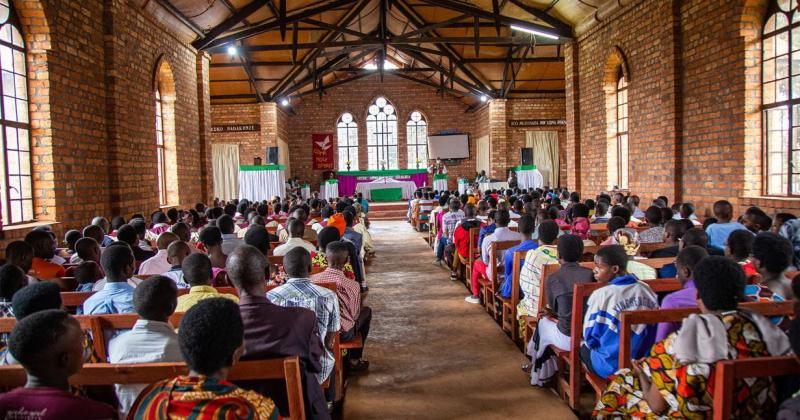
Burundi’s hills are often called “the land of a thousand hills.”
Across those hills, churches dot the landscape.
But the true test of faith is not church density.
It is unity.
“By this all will know that you are My disciples, if you have love for one another.” — John 13:35
From Lake Tanganyika’s shores to rural hilltop churches,
Christ calls Burundi into healed fellowship.
🗺️ Why gregloucks.com/burundi Matters
The Burundi page includes:
-
All 18 provinces
-
Religious composition
-
Ethnic overview
-
Economic sectors (agriculture, coffee, tea)
-
Historical timeline
-
Reached/unreached classification
-
Evangelism strategies
-
Strategic prayer focus
Every country page in this series follows identical structural depth.
This allows:
-
Intelligent intercession
-
Structured global comparison
-
Strategic Kingdom awareness
🙏 Strategic Prayer Focus for Burundi
Pray:
-
For deep ethnic reconciliation.
-
For unity within churches.
-
For youth revival.
-
For economic stability supporting church growth.
-
For the Twa minority to experience inclusion and gospel clarity.
“After this I looked, and behold, a great multitude which no one could number, of all nations…” — Revelation 7:9
From the hills of East Africa,
Burundi will stand before the throne.
The Lamb will receive worship from every tribe within this small but spiritually significant nation.
Similar Tags
Search
Subscribe
Donate


Your Statistics
For the care and safety of this prayer space, we gently record the time and location of each visit. This helps us protect sincerity while preserving anonymity.
Your Date and Time
IP Addres:
216.73.216.205
System
- OS Linux n
- PHP 8.3.30
- MySQLi 10.6.25-MariaDB
- Time 12:20
- Caching Disabled
- Gzip Disabled
- Users 223
- Articles 315
- Articles View Hits 23235
Website Visitors Map
About Greg Loucks
Greg Loucks is a writer, poet, filmmaker, musician, and graphic designer, as well as a creative visionary and faith-driven storyteller working at the intersection of language, meaning, and human connection. Born and raised in Phoenix, Arizona, he has lived in Cincinnati, Ohio; Hot Springs, Arkansas; Williams, Arizona; and Flagstaff, Arizona—each place shaping his perspective, resilience, and creative voice.

Address:
United States of America and Europe
Phone Numbers:
Arizona: (928) 563-GREG (4734)
Tennessee: (615) 899-GREG (4734)
Toll-Free: 888-457-GREG (4734)

Comments